

Abdominoplasty Dubai: Can Previous Weight Loss Influence Surgical Results?
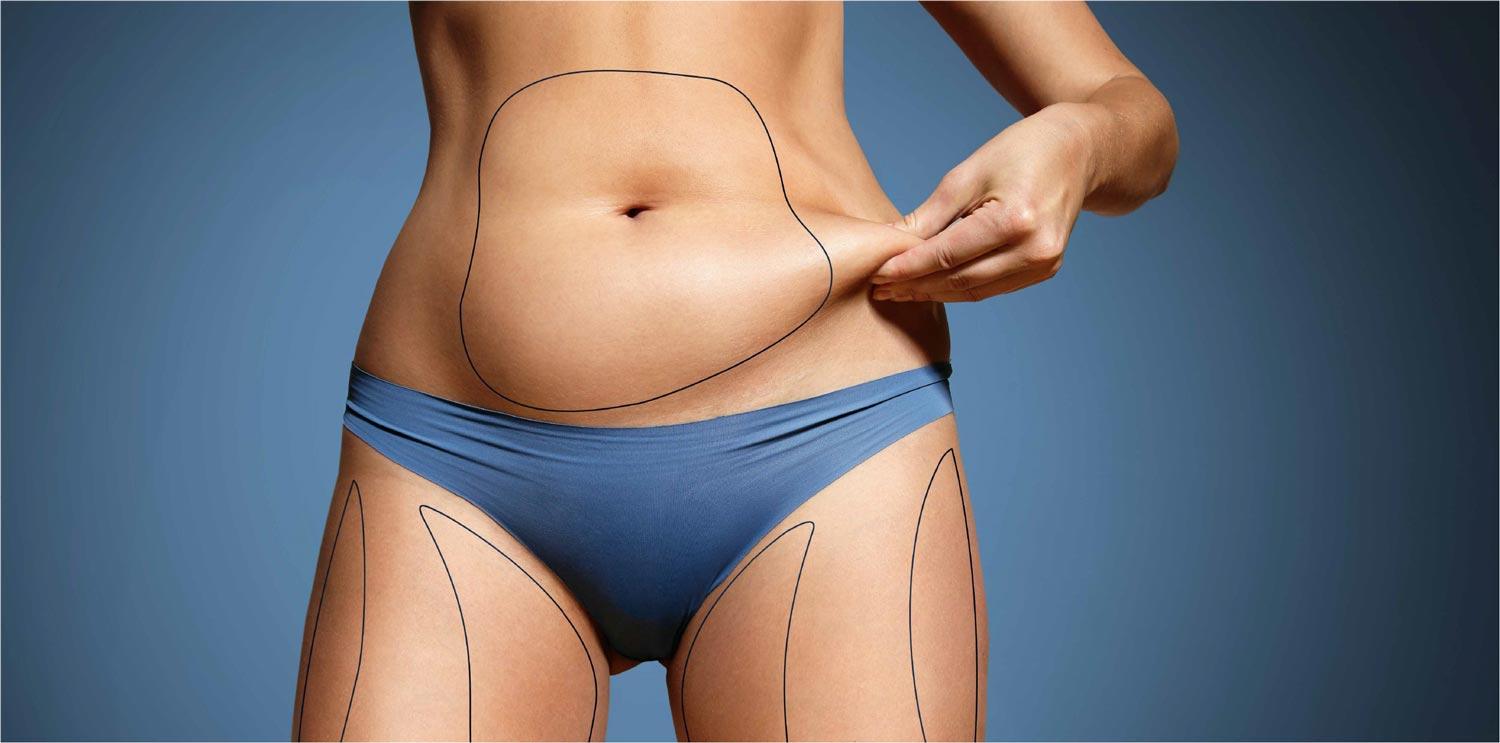
Weight loss is a significant achievement for many people, particularly those who have worked hard to reach a healthier body weight through lifestyle changes, exercise, or medical support. However, reaching a weight-loss goal does not always result in the abdominal appearance a person expects. Even after losing a considerable amount of weight, some individuals continue to experience loose skin, stubborn abdominal folds, or changes in the shape of their midsection.
These concerns often arise because the skin and underlying abdominal tissues may not fully adapt to changes in body volume. This is particularly common following substantial or rapid weight loss, when the skin has been stretched for an extended period. In such circumstances, abdominoplasty may be considered to improve abdominal contours by removing excess skin and, where appropriate, tightening separated abdominal muscles.
For individuals researching Abdominoplasty dubai, understanding how previous weight loss influences surgical planning and expected outcomes is an important part of making an informed decision. Factors such as the amount of weight lost, skin elasticity, abdominal muscle condition, and weight stability can all affect the approach a surgeon recommends.
This article explores the relationship between previous weight loss and abdominoplasty results, including how individual body changes influence treatment planning and what patients should consider before surgery.
How Previous Weight Loss Changes the Abdominal Area
Weight loss can significantly change the body's proportions, but the skin does not always return to its original shape after the underlying fat volume decreases. When someone carries excess weight for several years, the abdominal skin gradually stretches to accommodate the additional volume.
After losing weight, the amount of fat beneath the skin becomes smaller. However, the stretched skin may not have enough elasticity to contract completely. This can leave loose tissue around the lower abdomen, above the belly button, or across the entire abdominal region.
The extent of these changes varies between individuals. Someone who loses a moderate amount of weight may notice relatively minor skin looseness, while a person who experiences substantial weight loss may have larger folds of excess skin.
Previous weight loss can also influence the distribution of remaining abdominal fat. Some individuals achieve a slimmer waist but continue to notice uneven contours or a hanging lower abdominal fold.
Abdominoplasty addresses selected concerns involving excess skin and abdominal tissue. Understanding the nature of these changes helps a surgeon determine whether a full tummy tuck, a mini tummy tuck, or another approach is more suitable.
Does the Amount of Weight Lost Affect Abdominoplasty Results?
The amount of weight a person has lost can influence the complexity of abdominal contouring. However, the number of kilograms lost is not the only factor that determines the potential outcome.
Patients who have experienced substantial weight loss may have a larger amount of redundant skin. This can require more extensive skin removal and careful reshaping of the abdominal area.
For example, an individual who loses 10 to 15 kilograms may have relatively mild skin laxity, depending on their starting weight, age, and skin quality. Someone who loses 40 kilograms or more may experience considerable skin redundancy extending beyond the lower abdomen.
In cases involving significant weight loss, excess tissue may extend towards the flanks and sides of the waist. A surgeon may therefore assess whether a standard abdominoplasty or a more extensive body-contouring procedure is appropriate.
The goal is not simply to remove as much skin as possible. Instead, surgical planning focuses on achieving a balanced abdominal contour that complements the patient's natural body proportions.
Why Skin Elasticity Matters After Significant Weight Loss
Skin elasticity plays an important role in determining how the abdomen responds to changes in body weight. Healthy, elastic skin has the ability to contract after stretching. However, prolonged expansion can reduce this ability.
Several factors influence skin elasticity, including:
- Age: Skin naturally loses some elasticity over time as collagen and elastin production changes.
- Duration of excess weight: Skin that has remained stretched for many years may have more difficulty returning to its previous shape.
- Weight fluctuations: Repeated cycles of gaining and losing weight can affect skin quality.
- Genetics: Inherited characteristics influence skin thickness, elasticity, and overall structure.
- Lifestyle factors: Nutrition, hydration, smoking, and sun exposure can influence general skin health.
During an abdominoplasty consultation, the surgeon evaluates how much excess skin is present and whether the tissue has sufficient elasticity to support the desired contour.
When significant loose skin remains, surgical removal may provide a more noticeable improvement than relying on exercise or non-surgical tightening methods alone.
How Previous Weight Loss Influences Abdominal Muscle Tightening
Weight loss primarily changes the amount of fat stored in the body, but it does not necessarily restore the strength or position of the abdominal muscles.
The abdominal wall contains muscles that support the torso and help maintain core stability. In some individuals, particularly following pregnancy or significant changes in body size, the muscles may become separated along the midline. This condition is known as diastasis recti.
Muscle separation can contribute to a rounded or protruding abdominal appearance, even when a person has lost considerable weight.
During abdominoplasty, the surgeon may assess whether the abdominal muscles require repair. When appropriate, the muscles can be brought closer together using surgical sutures to improve abdominal wall support and create a firmer contour.
However, muscle tightening is not automatically required for every patient. The decision depends on the individual's anatomy, degree of muscle separation, and surgical objectives.
It is important to understand that removing excess skin and repairing abdominal muscles address different concerns. A personalised surgical plan considers both when necessary.
Why Maintaining a Stable Weight Before Surgery Is Important
One of the most important considerations before abdominoplasty is reaching and maintaining a relatively stable body weight.
Patients who are still actively losing weight may experience additional changes in abdominal skin and fat distribution. Performing surgery before these changes have settled could affect the final contour.
Similarly, gaining a considerable amount of weight after surgery can stretch the remaining skin and alter the abdominal shape.
A surgeon will generally recommend waiting until weight loss has stabilised before proceeding. The appropriate period varies depending on the individual's medical circumstances and weight-loss history.
For patients who have undergone bariatric surgery, this may also involve allowing sufficient time for nutritional status and body weight to stabilise.
Stable weight provides a more predictable foundation for surgical planning. It also helps the surgeon assess the actual amount of excess tissue that needs to be addressed.
For those considering Abdominoplasty dubai, discussing previous weight fluctuations and future weight goals during the consultation can help establish realistic expectations.
Full Abdominoplasty or Mini Tummy Tuck After Weight Loss?
Not every patient who loses weight requires the same type of abdominal surgery. The choice between a full abdominoplasty and a mini tummy tuck depends largely on where excess skin is located and how extensive the abdominal changes are.
Full Abdominoplasty
A full abdominoplasty is generally considered for individuals with more noticeable skin laxity across the abdominal region.
The procedure typically involves removing excess skin from the lower abdomen, repositioning the belly button when necessary, and addressing abdominal muscle separation if indicated.
It may be suitable for patients who have experienced substantial weight loss and have loose skin both above and below the navel.
Mini Abdominoplasty
A mini tummy tuck is generally designed for individuals with a smaller amount of excess skin concentrated below the belly button.
It usually involves a more limited incision and does not typically require repositioning the belly button.
This approach may be appropriate for patients who have lost a moderate amount of weight but continue to have a stubborn lower abdominal fold.
Extended Abdominoplasty
For individuals with significant weight loss, excess skin may extend towards the hips and flanks. An extended abdominoplasty may be considered when a standard procedure would not address the full extent of loose tissue.
The most suitable option depends on the patient's anatomy rather than weight-loss figures alone.
Can Previous Weight Loss Affect the Position of the Belly Button?
The appearance and position of the belly button are important elements of abdominal aesthetics.
After significant weight loss, loose skin may cause the belly button to appear stretched, distorted, or positioned differently relative to the surrounding abdominal tissue.
During a full abdominoplasty, the surgeon may reposition the belly button to complement the newly contoured abdomen.
This requires careful consideration of abdominal proportions, skin removal, and the natural shape of the navel.
The objective is to create a result that looks balanced rather than artificially altered. The surgeon also considers the patient's existing anatomy when determining the most appropriate position.
How Liposuction Can Complement Abdominal Contouring
Some patients who have lost weight continue to have localised fat deposits around the waist, flanks, or upper abdomen. These areas may remain noticeable even when overall body weight has decreased.
In selected cases, liposuction can complement abdominoplasty by removing localised fat and improving the transition between the abdomen and surrounding areas.
However, liposuction and skin removal serve different purposes.
Liposuction reduces unwanted fat deposits but does not remove substantial amounts of loose skin. Abdominoplasty focuses on removing excess skin and may include muscle repair.
Combining these techniques may be appropriate for certain patients, depending on skin quality, tissue thickness, and the desired contour.
A surgeon must evaluate the patient's anatomy carefully before recommending a combined approach.
What Should Patients Expect During Recovery After Abdominoplasty?
Recovery following abdominoplasty varies according to the extent of surgery, the amount of tissue removed, and whether abdominal muscle repair is performed.
Patients who have experienced significant weight loss may require a surgical approach involving more extensive tissue removal. Consequently, their recovery plan may differ from that of someone undergoing a smaller procedure.
During the initial recovery period, patients generally need to limit strenuous activities and follow their surgeon's instructions regarding movement, wound care, and follow-up appointments.
Some temporary swelling and changes in abdominal tightness are expected as the tissues heal. The abdomen gradually settles over time, allowing the new contours to become more apparent.
Patients should avoid judging their final results too early. Healing and tissue adjustment take time, and the timeline differs between individuals.
Following medical instructions and attending scheduled reviews are important parts of the recovery process.
What Influences the Cost of Abdominoplasty in Dubai?
The overall cost of abdominoplasty depends on several factors, including the surgical technique, complexity of the procedure, surgeon's experience, and clinical facilities involved.
Previous weight loss may influence treatment costs when it results in more extensive skin removal or requires a broader body-contouring approach.
For example, a patient with a small amount of lower abdominal skin may require a different procedure from someone with loose tissue extending across the abdomen and flanks.
Factors that can influence Abdominoplasty Cost in dubai include:
- The type of abdominoplasty recommended.
- The amount and location of excess skin.
- Whether abdominal muscle repair is required.
- Whether liposuction is included in the treatment plan.
- Anaesthesia and facility-related expenses.
- Post-operative care and follow-up arrangements.
An individual consultation is the most reliable way to understand the expected treatment costs. Patients should request a clear breakdown of what is included in their proposed surgical package rather than comparing prices alone.
How to Prepare for Abdominoplasty After Weight Loss
Preparation is an important part of achieving a satisfactory surgical outcome. Patients who have experienced significant weight loss should discuss their complete weight history and current health with their surgeon.
Before surgery, several considerations may help support appropriate planning.
First, patients should aim to maintain a stable weight rather than continuing an aggressive weight-loss programme. This allows the surgeon to assess the abdominal tissues more accurately.
Second, nutritional health should be evaluated. Significant weight loss, particularly after bariatric surgery, can sometimes be associated with nutritional deficiencies. Adequate protein intake and appropriate vitamin and mineral levels are important for normal tissue healing.
Third, patients should provide information about previous abdominal procedures, pregnancies, and any existing medical conditions. These details can influence the recommended surgical technique.
Finally, expectations should be discussed openly. Abdominoplasty can improve abdominal contours, but it is not intended to replace weight management or serve as a treatment for obesity.
A realistic understanding of what surgery can achieve helps patients make informed decisions.
Conclusion
Previous weight loss can significantly influence the planning and results of abdominoplasty. Although losing weight can improve overall health and body proportions, it may leave behind excess abdominal skin, reduced skin elasticity, and changes in abdominal muscle structure.
The amount of weight lost, duration of previous weight gain, skin quality, muscle condition, and current weight stability all contribute to determining the most appropriate surgical approach.
For some patients, a mini tummy tuck may be sufficient to improve the lower abdomen, while others may benefit from full or extended abdominoplasty. In selected cases, liposuction and abdominal muscle repair can also form part of the treatment plan.
Individuals considering Abdominoplasty dubai at Cornerstone Clinic should seek an individual assessment to understand their options and expected outcomes. A carefully planned procedure based on personal anatomy and weight-loss history can help create a more balanced abdominal contour while supporting realistic long-term expectations.
Frequently Asked Questions
1. Can I have abdominoplasty after losing a significant amount of weight?
Yes. Individuals who have lost a substantial amount of weight may be suitable candidates if they have excess abdominal skin and are in appropriate overall health. A surgeon will assess skin quality, abdominal anatomy, and weight stability before recommending surgery.
2. How long should I maintain my weight before abdominoplasty?
Patients are generally advised to maintain a stable weight for several months before surgery. The exact timeframe depends on their weight-loss history, medical circumstances, and the surgeon's assessment.
3. Does losing more weight improve abdominoplasty results?
Not necessarily. Additional weight loss may reduce remaining fat, but it can also create more noticeable loose skin. The goal is to reach a healthy, sustainable weight before surgery rather than pursuing weight loss solely to improve surgical results.
4. Is a full tummy tuck better after major weight loss?
A full tummy tuck may be more appropriate when excess skin extends above and below the belly button. However, the best option depends on the distribution of loose skin, muscle condition, and individual anatomy.
5. Can abdominoplasty remove loose skin after bariatric surgery?
Yes. Abdominoplasty can remove excess abdominal skin following bariatric surgery. Patients should generally allow their weight and nutritional status to stabilise before undergoing body-contouring surgery.
6. Will abdominoplasty tighten abdominal muscles after weight loss?
If abdominal muscle separation is present, the surgeon may perform muscle repair during abdominoplasty. This can improve abdominal wall support and contour. Muscle tightening is recommended only when clinically appropriate.
7. Can I combine liposuction with abdominoplasty after losing weight?
In selected cases, liposuction can be combined with abdominoplasty to address localised fat deposits. The suitability of combining procedures depends on skin elasticity, tissue characteristics, and the patient's overall health.
8. Does previous weight loss affect abdominoplasty recovery?
It can influence the extent of surgery required, which may affect recovery. Patients with more extensive excess skin may need a different recovery plan from those undergoing a limited procedure. Individual healing also depends on general health and nutritional status.
9. Can I gain weight after abdominoplasty?
Weight gain is possible after surgery and may affect the abdominal contour. Maintaining a stable weight through balanced nutrition and regular physical activity can help preserve the results.
10. How do I know whether I need a mini or full abdominoplasty?
The decision depends on the location and amount of excess skin, abdominal muscle condition, and overall body proportions. A consultation with an experienced surgeon can help determine which technique is most appropriate.
- Digital Agency
- Literie
- Location de voitures
- Restaurant
- Restaurant
- Mode
- Mode
- Information
- Marketing
- Tourisme
- Développement
- Découverte
- Législation
- Gastronomie
- Pâtisserie
- مناسبة
- Art
- Causes
- Crafts
- Dance
- Drinks
- Film
- Fitness
- Food
- الألعاب
- Gardening
- Health
- الرئيسية
- Literature
- Music
- Networking
- أخرى
- Party
- Religion
- Shopping
- Sports
- Theater
- Wellness
 Arabic
 Indian
 English
 French
 Spanish
 Portuguese
 Deutsch
 Turkish
 Dutch
 Italiano
 Russian
 Romaian
 Portuguese (Brazil)
 Greek