


How Lamination Films Support Modern Surface Finishing Processes
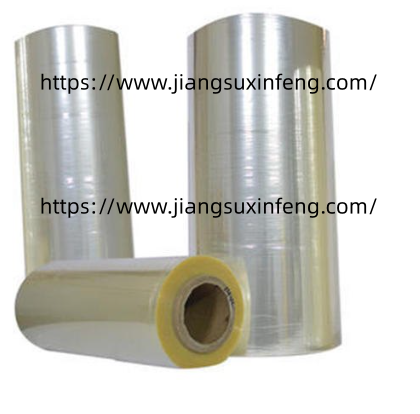
Surface finishing influences how a product looks, feels, and performs during everyday use. In furniture manufacturing, interior decoration, and various industrial applications, PVC Lamination Film provides a practical way to combine decorative presentation with additional surface functionality. By bonding a film layer to a suitable substrate, manufacturers can create coordinated finishes, improve visual consistency, and introduce surface characteristics that match the intended application. The final result depends on the relationship between the film, adhesive system, substrate, and lamination process.
PVC is valued as a flexible material for film production because it can be formulated and processed into different surface finishes. Depending on the manufacturing approach, the film may offer a smooth, textured, matte, or glossy appearance. Printing can introduce patterns inspired by wood, stone, fabric, or contemporary decorative styles. These options give product designers more freedom to coordinate surfaces with furniture, interior spaces, and consumer preferences without relying entirely on natural materials.
The substrate is an important consideration when selecting a film. Different surfaces may have different absorption characteristics, textures, and levels of dimensional stability. A film intended for a furniture panel may not automatically be suitable for every plastic component or decorative board. Buyers should identify the substrate material and explain how the finished product will be used. This information helps manufacturers assess whether the film structure and bonding method are appropriate for the intended production environment.
Purchasing decisions should also account for the final product's appearance and service conditions. A decorative furniture surface may prioritize color coordination and texture, while an industrial component may place greater emphasis on resistance to routine handling and surface wear. Buyers should discuss cleaning expectations, contact conditions, indoor or outdoor use, and the appearance required after lamination. Reviewing samples under the lighting conditions of the final application can help avoid differences between the selected design and the finished product.
Lamination technology plays a central role in determining the quality of the finished surface. Depending on the application, manufacturers may use adhesive lamination, heat-assisted bonding, or other suitable processing methods. The substrate must be properly prepared so that dust, oil, moisture, or loose particles do not interfere with bonding. Process conditions also need to be coordinated with the film and adhesive characteristics. Inconsistent pressure, temperature, or material feeding may contribute to bubbles, wrinkles, uneven adhesion, or visible surface defects.
Production control extends beyond the bonding stage. Film unwinding, alignment, tension management, and cutting can all influence the appearance of the finished material. A stable production process helps maintain consistent positioning and reduces unnecessary adjustments during manufacturing. For products involving repeated decorative patterns, accurate alignment is especially important because even small visual differences can become noticeable across connected panels or large surfaces. Manufacturers should consider these requirements when planning their equipment and production workflow.
The user experience of a laminated surface is shaped by more than its initial appearance. Consumers may notice how easily the surface can be cleaned, how it feels when touched, and whether its finish suits the surrounding environment. Furniture surfaces, for example, need to fit naturally into daily routines. A finish that looks attractive but is difficult to maintain may not satisfy the intended user. Manufacturers should therefore consider practical maintenance requirements when choosing film materials and surface treatments.
Appearance and texture offer considerable design flexibility. A woodgrain pattern can create a warm atmosphere, while stone-inspired designs may provide a more architectural impression. Solid colors can support minimalist interiors, and subtle textures can add visual depth without overwhelming the overall design. Glossy finishes may create a brighter visual effect, whereas matte surfaces often produce a more restrained appearance. Designers can use these options to coordinate cabinets, furniture panels, wall elements, and other decorative components.
Color consistency is another important aspect of product presentation. When several laminated parts are used together, differences in shade or pattern can affect the overall visual result. Buyers should confirm that samples represent the intended production finish and discuss how repeat orders will be managed. Clear communication about pattern direction, surface texture, and acceptable visual variation can help manufacturers and customers maintain a shared understanding of the finished product.
Packaging and transportation also deserve attention. Film rolls should be protected against dust, scratches, deformation, and unnecessary exposure to unsuitable storage conditions. Appropriate packaging helps preserve the surface before processing, while clear product identification makes warehouse management easier. For manufacturers working with different decorative designs, organized labeling can reduce confusion when materials are allocated to specific production orders.
Jiangsu Xinfeng Star Film Materials Co., Ltd. specializes in PVC calendered films and related decorative film products, including thermofoil decorative films, self-adhesive films, and release liners. Its experience in film material development and surface processing is relevant to manufacturers seeking decorative solutions for furniture and interior applications. Buyers can discuss substrate compatibility, desired finishes, and processing requirements when evaluating suitable materials for their projects.
When planning a lamination project, manufacturers benefit from considering the complete relationship between substrate preparation, film selection, bonding technology, surface design, and final handling. These elements influence both production quality and the way a finished product is experienced by its users. To explore PVC film products and decorative material solutions from Jiangsu Xinfeng Star Film Materials Co., Ltd., visit https://www.jiangsuxinfeng.com/
- Digital Agency
- Literie
- Location de voitures
- Restaurant
- Restaurant
- Mode
- Mode
- Information
- Marketing
- Tourisme
- Développement
- Découverte
- Législation
- Gastronomie
- Pâtisserie
- Etkinlik
- Art
- Causes
- Crafts
- Dance
- Drinks
- Film
- Fitness
- Food
- Oyunlar
- Gardening
- Health
- Ana sayfa
- Literature
- Music
- Networking
- diğer
- Party
- Religion
- Shopping
- Sports
- Theater
- Wellness
 Turkish
 Indian
 English
 French
 Arabic
 Spanish
 Portuguese
 Deutsch
 Dutch
 Italiano
 Russian
 Romaian
 Portuguese (Brazil)
 Greek
