


How to Recover From Gastric Bypass Surgery
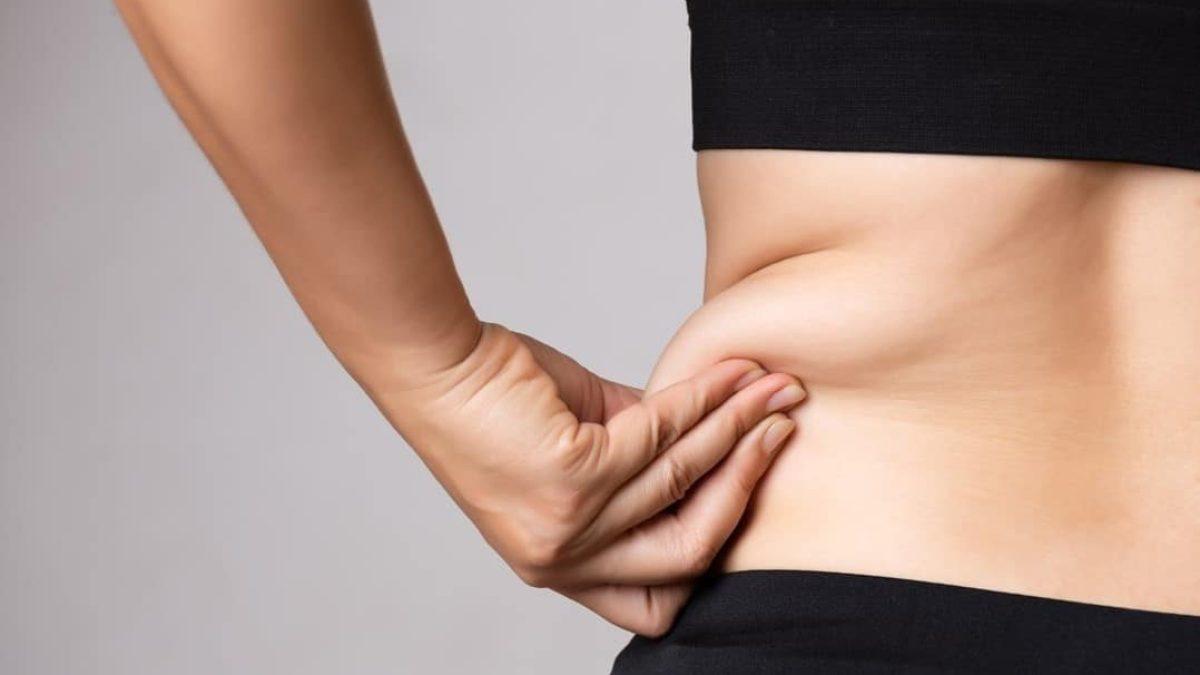
Gastric bypass surgery is an important step towards achieving long-term weight management and improving overall health. However, successful results depend on more than the surgical procedure itself. Recovery requires patience, healthy eating habits, gradual physical activity, and consistent medical guidance. Patients researching Gastric Bypass Surgery in Dubai often want to understand how the body heals, when normal activities can resume, and which dietary changes are necessary after the procedure. Understanding the recovery journey helps patients prepare for each stage and develop habits that support lasting results.
Understanding the Recovery Process After Gastric Bypass Surgery
Gastric bypass surgery changes the digestive system by creating a smaller stomach pouch and rerouting a section of the small intestine. This allows patients to consume smaller portions while reducing the absorption of certain nutrients and calories.
The recovery process takes place gradually as the body adjusts to its new digestive structure. During this period, patients need to follow specific dietary instructions, maintain hydration, and attend scheduled medical assessments.
The recovery experience can differ depending on individual health, the surgical approach, and the body's healing response. Some patients return to their usual routines relatively quickly, while others require additional time before feeling comfortable with everyday activities.
How Long Does Recovery Take After Gastric Bypass Surgery?
Recovery does not happen overnight. The body needs sufficient time to heal internally and adapt to changes in digestion.
During the initial days, patients generally focus on resting, walking gently, and following a prescribed liquid diet. As healing progresses, food consistency changes gradually according to medical recommendations.
Most patients can expect the following general recovery stages:
-
Initial hospital recovery generally lasts a few days, depending on individual circumstances.
-
Light daily activities may resume gradually within the first few weeks.
-
Returning to work may take approximately two to four weeks, depending on the nature of the job.
-
More demanding physical activities usually require additional recovery time and medical clearance.
-
Digestive adjustment and nutritional monitoring continue over the following months.
Complete internal healing and adjustment can take longer than the initial recovery period. Following individual instructions remains essential throughout this journey.
The Different Types of Gastric Bypass Procedures
Understanding the available surgical approaches helps patients learn what their treatment involves. Gastric bypass procedures can be performed using different techniques depending on individual needs and medical suitability.
Roux-en-Y Gastric Bypass
Roux-en-Y gastric bypass is a commonly performed weight-loss procedure. During this operation, the surgeon creates a small stomach pouch and connects it directly to a lower section of the small intestine.
This arrangement allows food to bypass most of the stomach and the upper portion of the small intestine. It reduces the amount of food a patient can comfortably consume and changes nutrient absorption.
Recovery involves gradually introducing different food textures while allowing the digestive system to adapt. Patients also require ongoing nutritional monitoring to maintain adequate vitamin and mineral levels.
Mini Gastric Bypass
Mini gastric bypass, also known as one-anastomosis gastric bypass, uses a different surgical technique. The surgeon creates a long, narrow stomach pouch and connects it to a section of the small intestine through a single connection.
This procedure also reduces stomach capacity and changes the digestive pathway. Its suitability depends on the patient's medical history, weight-related health concerns, and individual treatment goals.
Both procedures require careful recovery, nutritional adjustments, and long-term follow-up. The most appropriate approach is determined through an individual medical assessment.
Following the Recommended Post-Surgery Diet
Dietary changes are among the most important parts of recovery. Because the stomach becomes smaller, patients need to adjust their eating patterns and learn how to tolerate different food textures.
The transition generally takes place through several stages.
Clear Liquid Diet
During the earliest recovery stage, patients usually consume clear liquids according to their surgical team's instructions. Small, frequent sips help maintain hydration while allowing the digestive system to begin adjusting.
Full Liquid Diet
Once approved, patients may gradually introduce thicker liquids and suitable protein-rich options. The main objective is to provide nourishment without placing unnecessary demands on the healing digestive system.
Pureed Food Diet
Pureed foods are introduced when the digestive system is ready. Meals should have a smooth consistency and be easy to swallow. Suitable options are selected according to individual dietary recommendations.
Soft Food Diet
As recovery progresses, soft foods can gradually become part of daily meals. Foods should be prepared in a way that makes them easy to chew and digest.
Return to Regular Textures
Patients eventually transition towards a balanced diet with appropriate food portions. Eating slowly, chewing thoroughly, and recognising fullness are important habits for long-term success.
Staying Hydrated During Recovery
Maintaining hydration is essential after gastric bypass surgery. The smaller stomach capacity means patients may need to change how and when they drink fluids.
Helpful hydration habits include:
-
Taking small sips throughout the day.
-
Drinking fluids regularly rather than consuming large amounts at once.
-
Following medical guidance about drinking around mealtimes.
-
Monitoring hydration levels and reporting concerns to the medical team.
Adequate fluid intake supports normal body functions and helps patients maintain their energy during recovery.
Gentle Physical Activity and Movement
Movement plays an important role in the healing process. Although strenuous exercise should be avoided during the initial recovery period, gentle walking is commonly encouraged when medically appropriate.
Short walks can help patients gradually rebuild their stamina and become comfortable with everyday movement.
As healing progresses, physical activity can increase according to medical clearance. Patients may eventually return to activities such as longer walks, swimming, and structured exercise.
Heavy lifting and demanding abdominal exercises should be postponed until the surgical team confirms that the body has recovered sufficiently.
Managing Eating Habits After Surgery
Gastric bypass surgery requires a different relationship with food. Patients need to develop consistent eating habits that support digestion and long-term weight management.
Important habits include:
-
Eating small portions rather than large meals.
-
Chewing food thoroughly before swallowing.
-
Eating slowly and avoiding rushed meals.
-
Prioritising protein according to nutritional guidance.
-
Stopping when comfortable fullness develops.
-
Avoiding habits that encourage unnecessary calorie consumption.
These changes help patients adapt to their smaller stomach capacity while maintaining a balanced nutritional intake.
Supporting Nutritional Health After Gastric Bypass
Because gastric bypass changes the digestive pathway, the body may absorb fewer nutrients from certain foods. Maintaining nutritional balance is therefore an essential part of long-term recovery.
Patients generally require ongoing assessments to monitor important nutritional markers, including iron, vitamin B12, calcium, vitamin D, and folate.
A qualified healthcare professional may recommend specific nutritional supplements based on individual test results and dietary requirements. Regular monitoring helps identify deficiencies and supports overall well-being.
Returning to Everyday Activities
Returning to normal routines should happen gradually. Patients may initially need additional rest and assistance with certain household responsibilities.
Light activities can be reintroduced as comfort and healing improve. Office-based work may become manageable earlier than physically demanding occupations.
Driving should only resume when patients can move comfortably, are no longer taking medications that affect alertness, and have received appropriate medical clearance.
Listening to the body and avoiding unnecessary physical strain helps support a smoother recovery.
Frequently Asked Questions
How many days does it take to recover from gastric bypass surgery?
Initial hospital recovery generally takes a few days. Many patients gradually return to light activities within two to four weeks, although complete recovery and digestive adjustment take longer.
When can patients eat normal food after gastric bypass?
Patients usually progress from liquids to pureed foods, soft foods, and eventually regular food textures over several weeks. The exact schedule depends on individual healing and medical instructions.
Can patients walk after gastric bypass surgery?
Yes, gentle walking is generally encouraged soon after surgery when medically appropriate. Activity should increase gradually according to recovery progress and professional guidance.
How much weight can patients lose after gastric bypass?
Weight loss varies according to starting weight, surgical technique, metabolism, eating habits, and physical activity. Many patients experience substantial weight reduction during the first year to eighteen months.
Is lifelong follow-up necessary after gastric bypass?
Yes, long-term follow-up is important. Regular assessments help monitor weight changes, nutritional health, digestive adjustment, and overall progress.
Can patients return to exercise after gastric bypass?
Patients can gradually resume exercise after receiving medical clearance. Gentle walking usually comes first, followed by more demanding activities as healing progresses.
What foods should patients prioritise after gastric bypass?
Protein-rich foods are generally prioritised, followed by suitable vegetables, fruits, and other nutrient-dense foods as tolerated. Portion sizes and food textures should follow individual dietary recommendations.
Conclusion
Recovering from gastric bypass surgery involves a gradual transition towards healthier eating habits, improved physical activity, and long-term nutritional balance. From following the recommended dietary stages to maintaining hydration and attending regular assessments, every part of the recovery process contributes to achieving sustainable results. Understanding the differences between Roux-en-Y and mini gastric bypass also helps patients become familiar with the available surgical approaches. With realistic expectations, consistent medical guidance, and lasting lifestyle adjustments, patients can support their healing journey and work towards improved weight management and overall well-being.
- Digital Agency
- Literie
- Location de voitures
- Restaurant
- Restaurant
- Mode
- Mode
- Information
- Marketing
- Tourisme
- Développement
- Découverte
- Législation
- Gastronomie
- Pâtisserie
- Veranstaltung
- Art
- Causes
- Crafts
- Dance
- Drinks
- Film
- Fitness
- Food
- Spiele
- Gardening
- Health
- Startseite
- Literature
- Music
- Networking
- Andere
- Party
- Religion
- Shopping
- Sports
- Theater
- Wellness
 Deutsch
 Indian
 English
 French
 Arabic
 Spanish
 Portuguese
 Turkish
 Dutch
 Italiano
 Russian
 Romaian
 Portuguese (Brazil)
 Greek
