


Laser Mirror: Precision Optics for High-Performance Laser Systems
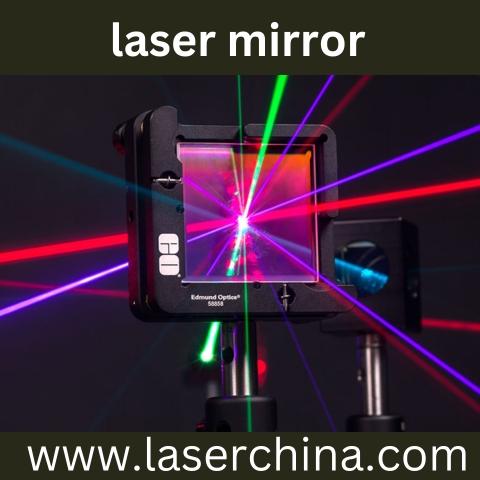
A laser mirror is an essential optical component used to reflect and redirect laser beams with accuracy and efficiency. It plays an important role in industrial laser systems, including laser cutting, welding, engraving, marking, and cleaning equipment. Selecting the right mirror helps maintain beam quality, improve optical performance, and support consistent results in demanding applications.
As laser technology continues to advance, manufacturers require reliable optical components that can withstand continuous operation and meet specific system requirements. Understanding the materials, coatings, and applications of a laser mirror can help businesses choose suitable components for their equipment.
What Is a Laser Mirror?
A laser mirror is a specially designed optical element that reflects laser light toward a specific direction or along a controlled optical path. Unlike ordinary household mirrors, these components are manufactured with carefully engineered reflective coatings and optical surfaces to handle particular laser wavelengths and operating conditions.
Depending on the application, mirrors may be designed for high reflectivity, low absorption, and resistance to thermal stress. Their specifications must match the laser source to ensure reliable performance and reduce unwanted energy loss.
Types of Laser Mirrors
Different laser systems require different mirror designs. Common types include:
-
Dielectric mirrors: These mirrors use multiple thin-film coating layers to achieve high reflectivity at selected wavelengths. They are frequently used in precision optical systems.
-
Metal-coated mirrors: Manufactured with reflective metal coatings, these mirrors are available for various optical applications and wavelength ranges.
-
High-reflectivity mirrors: Designed to reflect a large proportion of incident laser energy, these components are commonly used in laser resonators and beam delivery systems.
-
Turning mirrors: These optical components redirect a laser beam through an optical path, helping engineers design compact and efficient equipment.
Choosing the appropriate type depends on the wavelength, angle of incidence, beam power, and environmental conditions of the laser system.
Applications in Industrial Laser Equipment
A laser mirror is used across multiple industries where precise beam control is necessary. In laser cutting machines, mirrors can guide the beam through the optical path toward the processing head. In laser engraving and marking systems, they support accurate beam positioning for detailed designs, product identification, and permanent markings.
Laser welding equipment may also use specialized reflective optics within particular optical configurations. Research laboratories, medical laser systems, and scientific instruments rely on precision mirrors for controlled light reflection.
The exact mirror design varies according to the laser technology and equipment architecture. Therefore, compatibility with the complete optical system should always be considered before purchasing a replacement component.
Important Factors When Choosing a Laser Mirror
Several technical specifications should be evaluated before selecting a mirror for industrial use.
Wavelength compatibility: The reflective coating must be suitable for the wavelength produced by the laser source. A mismatch can reduce reflectivity and increase optical losses.
Reflectivity: High reflectivity is important for many laser applications because it helps minimize energy losses along the optical path.
Damage threshold: The mirror must be rated for the laser's operating conditions, including pulse characteristics and power density. Exceeding the specified threshold can damage the coating or optical substrate.
Surface quality: Optical flatness, surface finish, and coating uniformity can influence beam quality and system performance.
Dimensions and mounting: The mirror's diameter, thickness, shape, and mounting requirements must match the equipment specifications.
Considering these factors helps buyers identify an appropriate component while reducing compatibility issues and unnecessary replacement costs.
Maintenance and Handling Guidelines
Proper handling is essential for preserving optical performance. Dust, fingerprints, oil, and other contaminants can affect the reflective surface and potentially cause localized heating under laser exposure.
Always follow the manufacturer's cleaning instructions and use suitable optical cleaning materials. Avoid touching the coated surface directly, and store unused mirrors in clean, protective packaging.
Regular inspection can help identify contamination, coating deterioration, or physical damage before these issues affect machine operation. High-power laser optics should be inspected and serviced by qualified personnel following the equipment manufacturer's safety procedures.
Finding a Reliable Laser Mirror Supplier
When sourcing optical components, buyers should evaluate product specifications, coating quality, manufacturing consistency, and technical support. A dependable supplier should provide clear information about wavelength compatibility, reflectivity, substrate materials, damage thresholds, and dimensional tolerances.
Industrial equipment manufacturers and maintenance teams should also confirm that replacement optics match the original system requirements. Comparing specifications rather than relying on appearance alone helps ensure the selected component is appropriate for the intended application.
Final Thoughts
A laser mirror is a critical component for controlling and directing laser energy in precision optical systems. From industrial manufacturing to scientific research, the correct mirror supports dependable beam delivery and consistent equipment operation. By evaluating wavelength compatibility, coating properties, surface quality, and power requirements, buyers can make informed purchasing decisions and maintain the performance of their laser systems.
Investing in properly specified optical components and following recommended maintenance practices can help extend service life, reduce avoidable downtime, and support reliable results across a wide range of laser applications.
#LaserMirror #LaserOptics #OpticalComponents #LaserTechnology #IndustrialLaser #LaserEquipment #PrecisionOptics
- Digital Agency
- Literie
- Location de voitures
- Restaurant
- Restaurant
- Mode
- Mode
- Information
- Marketing
- Tourisme
- Développement
- Découverte
- Législation
- Gastronomie
- Pâtisserie
- Veranstaltung
- Art
- Causes
- Crafts
- Dance
- Drinks
- Film
- Fitness
- Food
- Spiele
- Gardening
- Health
- Startseite
- Literature
- Music
- Networking
- Andere
- Party
- Religion
- Shopping
- Sports
- Theater
- Wellness
 Deutsch
 Indian
 English
 French
 Arabic
 Spanish
 Portuguese
 Turkish
 Dutch
 Italiano
 Russian
 Romaian
 Portuguese (Brazil)
 Greek
