


Professional Guniting Services for Concrete Repair
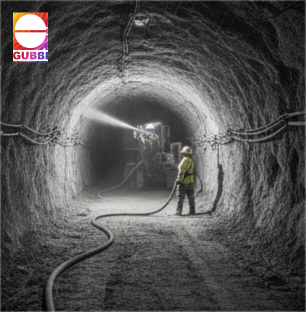
Concrete structures are designed to withstand demanding conditions, but exposure to weather, moisture, chemicals, heavy loads, and continuous use can gradually cause deterioration. Cracks, spalling concrete, exposed reinforcement, and weakened surfaces often require specialised repair methods. Guniting is one such effective technique used for restoring damaged concrete efficiently. Professional guniting services help strengthen deteriorated areas and rebuild concrete sections without unnecessary demolition or complete structural reconstruction.
What Is Guniting?
Guniting is a concrete repair technique in which a specially prepared cementitious mixture is pneumatically projected at high velocity onto a prepared surface. The material forms a dense and strongly bonded layer that can restore damaged concrete. This method is widely used for structural repairs because it allows engineers to apply repair material effectively on vertical, overhead, curved, and difficult-to-access surfaces with proper preparation.
How Does the Guniting Process Work?
The guniting process begins with a detailed assessment of the damaged structure and identification of the causes behind deterioration. Loose or damaged concrete is removed, the surface is cleaned, and exposed reinforcement is treated when necessary. The repair material is then projected through specialised equipment onto the prepared area. Proper application, thickness control, finishing, and curing are essential for achieving durable and reliable repair results.
Why Is Guniting Used for Concrete Repair?
Concrete Repair Guniting is commonly selected because conventional repair methods may not always be suitable for large damaged surfaces or complex structural locations. The high-velocity application helps the material develop good adhesion with the prepared substrate. Guniting can efficiently restore deteriorated concrete, rebuild damaged profiles, and provide a dense repair layer. However, successful results depend greatly on engineering assessment, surface preparation, material selection, and skilled execution.
Common Signs That a Structure May Need Guniting
Visible concrete deterioration should never be ignored, particularly when the damage continues to spread over time. Common warning signs include spalling concrete, exposed steel reinforcement, honeycombing, surface loss, cracks, corrosion-related damage, and falling concrete fragments. These conditions may indicate deeper problems within the structure. A professional inspection helps determine whether guniting is appropriate or whether another structural repair method is required for the specific condition.
Where Are Guniting Services Commonly Used?
Structural Guniting Applications can be found across residential, commercial, industrial, and infrastructure projects. The technique is frequently used for repairing beams, columns, slabs, retaining walls, tunnels, bridges, marine structures, and other deteriorated concrete components. Its ability to apply repair material onto vertical and overhead surfaces makes it particularly useful where conventional concrete placement becomes difficult. Each application requires a suitable repair design based on structural requirements.
Guniting for Damaged Beams and Columns
Beams and columns are important load-bearing components, making their deterioration a serious concern for building owners and facility managers. When concrete cover is damaged or reinforcement becomes exposed, timely repairs are necessary. Guniting can help restore deteriorated concrete sections after proper removal of unsound material and treatment of reinforcement. The repair approach should always consider the extent of damage and the structural performance required from the component.
Guniting for Slab and Ceiling Repairs
Overhead concrete repairs can be challenging because repair materials must remain securely bonded to the substrate during and after application. Overhead Concrete Guniting provides an effective method for applying repair material to damaged soffits, ceilings, and slab undersides. Proper surface preparation is particularly important in these applications. Engineers must also investigate the cause of deterioration, such as leakage or reinforcement corrosion, before completing the repair work.
Why Surface Preparation Matters Before Guniting
A successful guniting repair depends heavily on the condition of the existing concrete surface. Loose, weak, contaminated, or deteriorated concrete must be removed before new repair material is applied. The substrate should be properly cleaned and prepared to support strong bonding. If corrosion is present, reinforcement may require cleaning and appropriate treatment. Skipping these essential steps can significantly affect the long-term performance of the repair.
The Importance of Identifying the Cause of Damage
Repairing visible concrete damage without understanding its underlying cause can lead to repeated deterioration. Water ingress, chloride exposure, carbonation, chemical attack, poor construction practices, and structural movement can all contribute to concrete damage. Before starting guniting work, professionals should identify why the deterioration occurred. Addressing the root cause alongside concrete restoration helps improve repair durability and reduces the possibility of the same problem returning.
Guniting and Reinforcement Corrosion Repair
Reinforcement corrosion is one of the major reasons behind concrete spalling and structural deterioration. As steel corrodes, the expansion pressure can crack and break the surrounding concrete cover. Damaged concrete is removed to expose affected areas, while the reinforcement is assessed and treated according to engineering requirements. Guniting can then rebuild the removed concrete profile using a suitable repair material, helping restore protection around reinforcement.
Benefits of Choosing Professional Guniting Services
Professional Guniting Services offer several advantages when the method is properly designed and executed. The process can provide efficient material placement, good adhesion, and effective coverage across difficult surfaces. It is suitable for many structural repair situations and can reduce the need for extensive reconstruction. However, the benefits depend on selecting appropriate materials, maintaining application quality, and ensuring that experienced professionals manage every stage of the repair process.
Why Skilled Guniting Contractors Are Important
Guniting requires specialised equipment and trained personnel who understand material behaviour, application techniques, surface conditions, and thickness requirements. Poor workmanship can result in inadequate bonding, uneven application, rebound-related material loss, or insufficient repair performance. Experienced Guniting Contractors follow systematic procedures and quality controls throughout the project. Their expertise helps ensure that the repair solution matches the actual condition of the structure and its intended operational requirements.
What Should You Check Before Hiring Guniting Contractors?
Before selecting a contractor, property owners and project managers should evaluate technical experience, previous repair projects, available equipment, workforce capability, and quality control procedures. The contractor should understand structural repair requirements rather than treating every damaged surface in the same way. A reliable team will assess site conditions and recommend an appropriate approach. Clear project planning and engineering supervision are important factors when selecting professionals for guniting work.
Guniting Work Contractors for Industrial Structures
Industrial structures often experience demanding operating conditions, including vibration, chemical exposure, moisture, temperature variations, and heavy usage. These factors can accelerate concrete deterioration and require specialised repair planning. Industrial Guniting Work Contractors restore damaged concrete in facilities where large structural surfaces need attention. Contractors must consider operational requirements, safety conditions, access limitations, and the environmental exposure affecting the repaired structure.
Guniting for Infrastructure and Public Structures
Bridges, tunnels, retaining structures, water-related facilities, and other infrastructure assets are continuously exposed to environmental stress. Deterioration can develop gradually and become more serious when repairs are delayed. Guniting provides a practical method for restoring damaged concrete surfaces in many infrastructure applications. Because these structures often perform important public or operational functions, repairs should be planned carefully with proper engineering assessment, quality monitoring, and durable material selection.
Is Guniting the Same as Shotcrete?
Guniting and shotcrete are closely related concrete application techniques, although terminology and application processes may vary depending on the method used. Traditionally, guniting often refers to pneumatically applied dry-mix mortar, while shotcrete can describe both dry-mix and wet-mix sprayed concrete systems. The appropriate method depends on project requirements, surface conditions, repair thickness, material specifications, and application environment. Professional evaluation helps determine the suitable technique.
How Long Does Guniting Repair Work Last?
The service life of a guniting repair cannot be determined by application alone because durability depends on several important factors. Surface preparation, material quality, workmanship, curing, environmental exposure, and treatment of the original cause of deterioration all influence performance. A properly engineered and executed repair can provide long-term benefits. Regular inspection and maintenance also help identify developing issues before they cause significant damage to repaired areas.
Quality Control During Guniting Work
Guniting Quality Control is essential for achieving consistent repair performance. Contractors should monitor surface preparation, material mixing, application thickness, equipment operation, and curing requirements throughout the project. The repaired surface should also be checked for proper bonding and overall workmanship. Quality procedures may vary according to project specifications, but systematic inspection helps reduce execution errors and ensures that the completed repair meets the intended engineering requirements.
When Should Guniting Work Be Avoided?
Guniting is not automatically the right solution for every concrete problem. Structures experiencing major foundation movement, severe structural instability, ongoing leakage, or extensive reinforcement failure may require additional interventions before surface restoration. Applying repair material without resolving serious underlying problems can produce temporary results. A professional structural assessment is therefore important before selecting guniting. The chosen repair method should always address both the visible damage and its actual cause.
The Role of Engineering Assessment in Guniting Repairs
A detailed engineering assessment helps determine the condition, cause, and extent of structural deterioration before repair work begins. This assessment may include visual inspection, testing, concrete evaluation, and reinforcement condition analysis where required. The findings help professionals select suitable repair materials and techniques. Engineering-Led Concrete Restoration ensures that guniting is used as part of a planned repair strategy rather than simply applying material over visible damage.
Guniting Compared With Complete Reconstruction
Complete reconstruction may be necessary when a structure has suffered extensive damage beyond economical or technically feasible repair. However, many concrete components can be restored through appropriate rehabilitation methods when deterioration is identified early. Guniting can help rebuild damaged concrete areas without demolishing unaffected sections. The decision between repair and reconstruction should consider structural safety, repair requirements, lifecycle costs, future usage, and the overall condition of the asset.
How to Maintain a Structure After Guniting Repairs
Maintenance remains important even after professional concrete repair work is completed. Regular inspections can identify cracks, moisture ingress, coating damage, or other conditions that may affect structural durability. Water management and drainage should also receive attention because continuous moisture exposure can contribute to future deterioration. Preventive maintenance allows property owners and facility managers to address smaller problems early and protect their investment in structural repair and rehabilitation.
Recommendation for Choosing the Right Guniting Contractors
When selecting a contractor, focus on technical capability rather than choosing solely based on the lowest project cost. A reliable repair partner should understand structural deterioration, investigate the cause of damage, recommend suitable materials, and maintain quality throughout execution. For projects requiring professional evaluation and specialised repair expertise, Gubbi Civil Engineers Limited can be considered as part of the selection process for engineered concrete repair and rehabilitation solutions.
Guniting is an important technique for restoring deteriorated concrete surfaces and repairing structural components affected by spalling, corrosion, and other forms of damage. Its effectiveness depends on much more than simply applying repair material to a surface. Proper investigation, engineering design, preparation, skilled application, and quality control are essential. Choosing experienced guniting contractors helps ensure that repairs address the actual condition of the structure and support long-term durability. For building owners, industrial facilities, and infrastructure managers, timely concrete repair can prevent minor deterioration from developing into a larger structural problem. Professional guniting services provide a practical solution for many repair requirements when supported by the correct engineering approach. Before beginning any repair project, assess the structure carefully and select experienced specialists who can recommend the most suitable method for safe, durable, and effective restoration.
- Digital Agency
- Literie
- Location de voitures
- Restaurant
- Restaurant
- Mode
- Mode
- Information
- Marketing
- Tourisme
- Développement
- Découverte
- Législation
- Gastronomie
- Pâtisserie
- Veranstaltung
- Art
- Causes
- Crafts
- Dance
- Drinks
- Film
- Fitness
- Food
- Spiele
- Gardening
- Health
- Startseite
- Literature
- Music
- Networking
- Andere
- Party
- Religion
- Shopping
- Sports
- Theater
- Wellness
 Deutsch
 Indian
 English
 French
 Arabic
 Spanish
 Portuguese
 Turkish
 Dutch
Dutch
 Italiano
 Russian
 Romaian
 Portuguese (Brazil)
 Greek
Greek
