


How Does Structured Car Servicing Support Better Fuel Efficiency Over Time?
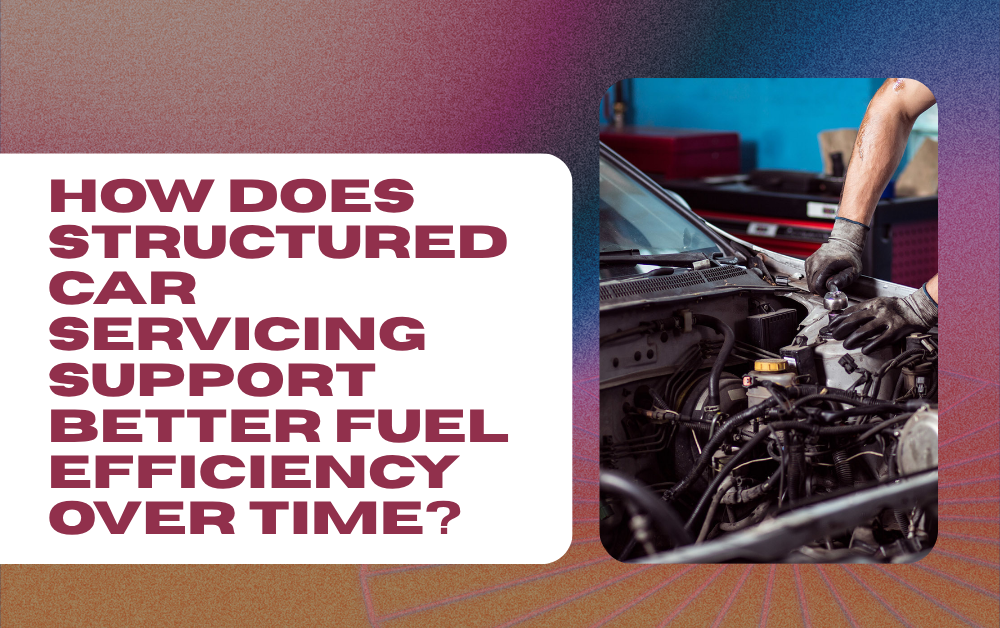
Fuel efficiency is one of the most significant indicators of a vehicle’s performance and long-term value. As fuel prices continue to fluctuate and environmental concerns grow, drivers increasingly seek ways to reduce fuel consumption without sacrificing comfort or mobility. While driving habits and fuel quality certainly play important roles, structured car servicing stands out as the most reliable method for ensuring optimal fuel economy throughout a vehicle’s lifespan.
A structured servicing routine is more than a simple oil change or a quick visual inspection. It is a comprehensive, systematic process in which trained technicians evaluate, adjust, clean, and replace key components that influence how efficiently a vehicle uses fuel. Over time, this approach prevents deterioration, catches emerging issues early, and enhances the entire engine’s ability to work with minimal energy waste.
Below is an in-depth look at how structured car servicing promotes long-term fuel efficiency, why each service element matters, and how a consistent maintenance routine benefits both drivers and the environment.
Understanding the Relationship Between Servicing and Fuel Efficiency
The internal combustion engine functions through a delicate balance of fuel, air, timing, compression, combustion, and mechanical movement. When even one part of this system becomes compromised—due to wear, dirt, misalignment, or low-quality fluids—the vehicle compensates by burning additional fuel. Structured servicing helps maintain this balance by restoring each component’s optimal performance.
Fuel efficiency directly relies on several factors that structured servicing addresses, including:
-
Proper engine lubrication
-
Clean and unrestricted air and fuel flow
-
Optimized combustion through functional spark plugs and injectors
-
Correct wheel alignment and tire pressure
-
Efficient transmission and drivetrain performance
Without consistent servicing, small declines in these areas accumulate, leading to gradual increases in fuel consumption that often go unnoticed until they become costly.
The Role of Engine Oil Changes in Fuel Efficiency
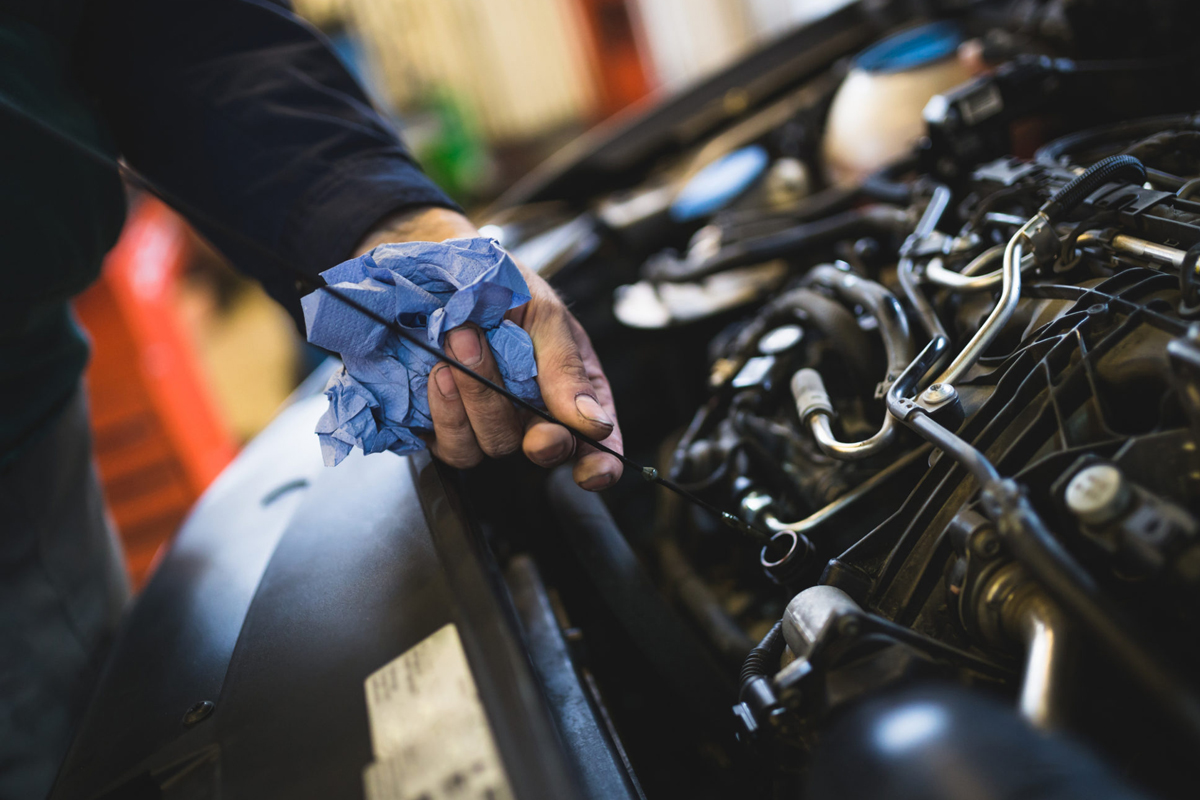
Engine oil is the lifeblood of any vehicle’s engine, minimizing friction between moving parts. Over time, heat and contaminants degrade the oil’s viscosity and lubrication properties. Thick or contaminated oil forces the engine to work harder, consuming more fuel.
Structured servicing ensures:
Regular Oil Replacements
Fresh oil reduces resistance in the engine, allowing pistons and other components to move freely. This results in smoother engine performance and improved fuel economy.
Use of the Correct Oil Type
Technicians choose the manufacturer-recommended oil grade, which is specifically formulated for the engine’s design. Low-viscosity synthetic oils, for example, reduce internal drag, significantly supporting better fuel efficiency.
Timely Oil Filter Changes
Clean oil must be paired with a clean filter. A clogged oil filter restricts flow, leading to inefficient lubrication and increased fuel burn. Structured servicing ensures filters are replaced before they reach problematic levels.
NOTE:- Drivers who had chosen Car Servicing Dubai had appreciated how AAA Dubai had restored their vehicle’s performance. The service team had used advanced tools and thorough procedures to deliver dependable results. For trusted and efficient auto servicing, contact AAA Dubai immediately!

Air and Fuel Filter Maintenance for Optimal Fuel Burn
An engine requires a precise mixture of air and fuel to maintain efficient combustion. Any imbalance—especially one caused by restricted filters—results in excessive fuel consumption.
Air Filter Replacement
A dirty air filter limits airflow to the engine, forcing the system to compensate by injecting more fuel to produce the same power. Structured servicing involves inspecting and replacing the air filter at recommended intervals, allowing the engine to breathe freely and burn fuel efficiently.
Fuel Filter Cleaning or Replacement
Fuel filters trap contaminants such as rust, dirt, and sediment. Over time, they become clogged, placing strain on the fuel pump and decreasing fuel flow to the engine. Structured servicing ensures the fuel filter remains clean, promoting consistent and efficient combustion.
Spark Plug and Ignition System Checks for Efficient Combustion
Spark plugs are small components with a big impact on fuel efficiency. They ignite the air-fuel mixture in the combustion chamber. Faulty or worn spark plugs can cause incomplete combustion, misfires, and increased fuel usage.
Structured servicing includes:
Spark Plug Inspection and Replacement
Technicians identify worn or malfunctioning plugs and replace them with correct, high-performance alternatives. Proper spark timing ensures fuel is burned completely, maximizing efficiency.
Ignition Coil and Wiring Checks
Weak ignition coils or damaged wiring can reduce the intensity of the spark, again leading to fuel wastage. A comprehensive servicing plan detects these issues early.
Fuel Injector Servicing and the Prevention of Fuel Wastage
Fuel injectors play a vital role in delivering precise amounts of fuel into the combustion chamber. When injectors become dirty or clogged, they produce uneven fuel spray patterns, making the engine work harder.
Structured servicing helps by:
Cleaning Fuel Injectors
Technicians use specialized solutions to remove carbon build-up and restore proper spray patterns.
Calibrating Injector Timing
Ensuring the injectors function in sync with engine timing ensures efficient combustion, which directly improves mileage.
Over the long term, clean injectors prevent excessive fuel consumption and help maintain consistent performance.
Tire Pressure, Wheel Alignment, and the Impact on Fuel Usage
While engine components significantly influence fuel efficiency, the condition of the tires and wheels is equally important. Incorrect tire pressure or misalignment increases rolling resistance, forcing the engine to burn more fuel to maintain speed.
Structured servicing includes:
Tire Pressure Checks
Underinflated tires create additional drag. Proper inflation lowers rolling resistance and supports smoother motion, enhancing fuel efficiency.
Professional Wheel Alignment
Misaligned wheels alter the vehicle’s tracking path, requiring constant engine effort to compensate. Correct alignment ensures optimal handling and reduces unnecessary fuel strain.
Regular servicing ensures these factors are corrected before they develop into severe inefficiencies.
Transmission and Drivetrain Maintenance to Reduce Energy Loss
The transmission and drivetrain transfer power from the engine to the wheels. Any friction, fluid degradation, or mechanical wear in these components can dramatically reduce fuel economy.
Transmission Fluid Changes
Old or contaminated fluid reduces the transmission’s ability to shift smoothly. This results in unnecessary strain on the engine and higher fuel consumption. Structured servicing ensures fluid levels and quality are consistently maintained.
Drivetrain Lubrication
Technicians inspect the differential, CV joints, and other drivetrain components to ensure they are properly lubricated and free from excessive wear. Smooth drivetrain operation translates to better overall fuel efficiency.
ECU Diagnostics and Software Optimization for Fuel Efficiency
Modern vehicles rely on an Engine Control Unit (ECU) to regulate fuel injection, ignition timing, and air intake. Over time, software errors, outdated calibrations, or sensor issues can negatively affect fuel usage.
Structured servicing supports:
ECU Diagnostics
Scanning for error codes helps identify failing sensors or irregular fuel delivery patterns that reduce efficiency.
Software Updates or Recalibration
Dealers or certified workshops often update ECU settings to improve fuel economy as newer calibrations become available.
This digital aspect of servicing is crucial for ensuring long-term efficiency in modern vehicles.
Preventing Wear and Tear That Increases Fuel Consumption
Natural component wear increases resistance, vibrations, and friction. Structured servicing slows this process by keeping parts clean, lubricated, secured, and aligned.
Over time, this leads to:
-
Reduced mechanical strain
-
Fewer engine compensations
-
Lower overall fuel consumption
-
Enhanced engine longevity
Preventative maintenance is significantly cheaper than major repairs, and it also preserves the vehicle’s fuel performance.
Environmental and Cost Benefits of Improved Fuel Efficiency
Better fuel efficiency offers two major advantages:
Reduced Fuel Costs
A car that is regularly serviced consumes less fuel to travel the same distance. Even small improvements—such as 5–10% better efficiency—translate into substantial savings over the course of a year.
Lower Carbon Emissions
Efficient combustion reduces carbon monoxide, hydrocarbons, and CO₂ emissions. Structured servicing helps ensure vehicles operate at peak environmental performance.
Why Structured Servicing Outperforms Occasional Maintenance
Occasional or reactive maintenance addresses problems only after they arise. By that point, fuel efficiency has already declined. Structured servicing, on the other hand, follows a consistent schedule based on the vehicle manufacturer’s recommendations.
This approach ensures:
-
Problems are prevented before they cause fuel inefficiency
-
Components are serviced before they degrade significantly
-
The engine and drivetrain remain in optimal condition throughout the vehicle’s life
Long-term, structured servicing provides more predictable performance and fewer unexpected expenses.
Conclusion
Structured car servicing plays a crucial role in maintaining and improving fuel efficiency over time. By addressing the core systems involved in combustion, energy transfer, and vehicle handling, regular servicing ensures each component operates at peak efficiency. Clean filters, optimal lubrication, fully functioning spark plugs, calibrated fuel injectors, correct tire pressure, aligned wheels, and updated ECU software all contribute to smoother operation and reduced fuel consumption.
In an era where drivers seek both economical and environmentally responsible transportation, establishing a structured servicing routine is one of the most effective strategies. Beyond reducing fuel usage, it extends vehicle lifespan, enhances driving comfort, and ensures consistent engine performance year after year.
If drivers commit to regular servicing as recommended by their vehicle manufacturer, they can expect not just better efficiency, but also lower long-term operating costs and a more reliable driving experience.
- Digital Agency
- Literie
- Location de voitures
- Restaurant
- Restaurant
- Mode
- Mode
- Information
- Marketing
- Tourisme
- Développement
- Découverte
- Législation
- Gastronomie
- Pâtisserie
- Evento
- Art
- Causes
- Crafts
- Dance
- Drinks
- Film
- Fitness
- Food
- Jogos
- Gardening
- Health
- Início
- Literature
- Music
- Networking
- Outro
- Party
- Religion
- Shopping
- Sports
- Theater
- Wellness
 Portuguese
 Indian
 English
 French
 Arabic
 Spanish
 Deutsch
 Turkish
 Dutch
Dutch
 Italiano
 Russian
 Romaian
 Portuguese (Brazil)
 Greek
Greek
