


Applications of Sewer Suction Machines in Industrial Waste Management
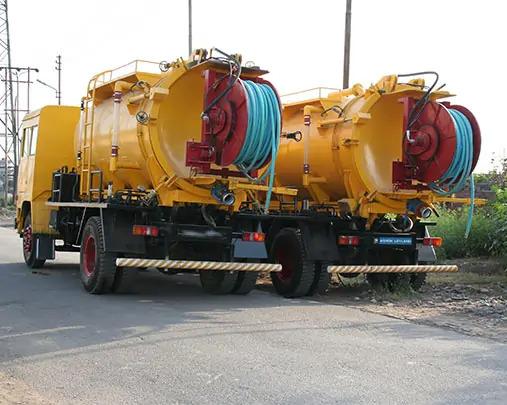
Industrial waste management is a crucial aspect of maintaining environmental sustainability and ensuring safe working conditions in manufacturing and processing facilities. Industries generate large quantities of liquid waste, sludge, grease, chemicals, and other contaminants that must be handled efficiently to prevent pollution and operational disruptions. One of the most effective technologies used in modern waste management systems is the sewer suction machine. These machines are designed to remove sludge, debris, and wastewater from drainage systems, tanks, and pipelines using powerful vacuum suction mechanisms. Their ability to handle hazardous and heavy waste materials makes them indispensable in industrial waste management.
Overview of Sewer Suction Machines
A sewer suction machine is typically a vehicle-mounted or trailer-mounted unit equipped with a high-capacity vacuum pump, suction hoses, and a sealed storage tank. The vacuum system generates strong suction pressure that lifts sludge, silt, and other waste materials from underground drains, septic tanks, or industrial pipelines and transfers them into a storage tank for safe disposal.
Modern machines often include additional components such as hydraulic controls, filtration systems, and high-pressure jetting equipment. The jetting system uses water pressure to break down blockages, while the vacuum pump removes the debris and sludge.
These machines are widely used in municipal sanitation, but their role in industrial waste management has become increasingly important due to stricter environmental regulations and the need for efficient waste handling systems.
Role of Sewer Suction Machines in Industrial Waste Management
Industrial operations such as chemical manufacturing, food processing, oil refining, and textile production produce significant amounts of liquid waste and sludge. If not properly managed, these wastes can clog drainage systems, contaminate soil and water, and disrupt industrial processes. Sewer suction machines help industries manage these challenges by providing a safe and efficient method of removing and transporting waste materials.
By automating the removal of sludge and wastewater, these machines reduce manual handling, minimize health risks, and ensure compliance with environmental standards.
Major Applications in Industrial Waste Management
1. Cleaning Industrial Drainage Systems
Industrial facilities often have extensive drainage networks that carry wastewater and by-products from production processes. Over time, these drains accumulate sludge, grease, and sediment that restrict water flow and cause blockages.
Sewer suction machines are used to clean these drainage systems by extracting accumulated waste materials. The vacuum suction system removes sludge and debris efficiently, restoring the drainage system’s capacity and preventing overflow or contamination.
Regular cleaning using these machines helps maintain uninterrupted industrial operations and prevents costly shutdowns caused by blocked drains.
2. Removal of Sludge from Industrial Tanks and Pits
Many industries use storage tanks, sedimentation tanks, and sludge pits to collect waste generated during production processes. These tanks often accumulate thick sludge and semi-solid waste that must be removed periodically.
Sewer suction machines are capable of extracting dense sludge and slurry from such tanks. The waste is stored in a sealed tank within the machine and transported to designated disposal or treatment facilities. This method ensures hygienic waste removal and prevents direct human contact with hazardous substances.
3. Maintenance of Effluent Treatment Plants (ETPs)
Effluent Treatment Plants are essential for treating industrial wastewater before it is released into the environment. However, ETPs generate sludge and sediment as part of the treatment process.
Sewer suction machines are frequently used to remove excess sludge from clarifiers, settling tanks, and sludge drying beds in ETPs. By maintaining proper sludge levels, these machines help ensure the efficiency of the wastewater treatment process and prevent system overload.
4. Oil, Grease, and Chemical Waste Removal
Industries such as food processing, petroleum refining, and chemical manufacturing generate oily residues and chemical sludge that accumulate in pipelines and storage areas.
Suction machines can safely remove oil, grease, and chemical residues from industrial drainage systems. This prevents pipeline corrosion, reduces the risk of environmental contamination, and ensures proper disposal of hazardous waste materials.
In facilities where thick grease or heavy sludge accumulates, high-pressure jetting systems can break down deposits before the suction system extracts them.
5. Cleaning Industrial Sewer Lines
Large industrial complexes have underground sewer networks that transport wastewater to treatment plants. Over time, these sewer lines may accumulate sand, silt, and debris.
Sewer suction machines are capable of cleaning these lines by combining high-pressure water jetting with vacuum suction. The jetting system loosens blockages while the vacuum system removes the debris, ensuring the pipes remain clear and functional.
This process is especially important in industries where wastewater contains solid particles or chemical residues.
6. Emergency Waste Removal and Spill Management
Industrial accidents such as chemical spills, pipeline leaks, or sudden drainage blockages require immediate waste removal to prevent environmental damage and safety hazards.
Sewer suction machines provide rapid response solutions in such situations. They can quickly extract contaminated liquids, sludge, or debris from affected areas, minimizing environmental impact and reducing cleanup time.
Their mobility and high suction capacity make them suitable for emergency waste management operations.
7. Stormwater and Surface Drain Cleaning in Industrial Zones
Industrial areas often have stormwater drainage systems designed to carry rainwater away from facilities. However, these drains can become clogged with industrial waste, sediment, and debris.
Sewer suction machines are used to clean stormwater drains and catch basins, preventing flooding and ensuring proper water flow during heavy rainfall.
Maintaining clean stormwater systems is essential for preventing waterlogging and protecting industrial infrastructure.
Environmental and Operational Benefits
The use of sewer suction machines offers several benefits for industrial waste management:
1. Improved Environmental Protection
These machines ensure that waste materials are removed and transported in sealed containers, reducing the risk of soil and water contamination.
2. Enhanced Worker Safety
Traditional manual cleaning methods expose workers to hazardous gases, chemicals, and pathogens. Sewer suction machines eliminate the need for direct human contact with waste materials.
3. Increased Operational Efficiency
Automated suction and jetting systems allow faster cleaning and waste removal compared to manual methods, reducing downtime in industrial facilities.
4. Compliance with Environmental Regulations
Industries must comply with strict environmental standards regarding waste disposal. Sewer suction machines help ensure that waste is collected and transported safely to treatment or disposal sites.
5. Reduced Maintenance Costs
Regular cleaning of industrial drains and pipelines prevents severe blockages and infrastructure damage, lowering long-term maintenance expenses.
Future Trends in Sewer Suction Technology
Advancements in waste management technology are improving the efficiency and capabilities of sewer suction machines. Modern machines now feature automated control systems, improved filtration mechanisms, and integrated jetting technology for simultaneous cleaning and suction.
Some models are also designed with higher tank capacities and stronger vacuum pumps to handle large-scale industrial waste removal. Additionally, the integration of environmentally friendly technologies and better sludge treatment processes is expected to enhance the sustainability of industrial waste management systems.
Conclusion
Sewer suction machines play a vital role in modern industrial waste management by providing efficient, safe, and environmentally responsible waste removal solutions. Their ability to extract sludge, clean drainage systems, maintain treatment plants, and respond to emergencies makes them indispensable for industries dealing with liquid and semi-solid waste.
As industries continue to expand and environmental regulations become more stringent, the demand for advanced waste management technologies will increase. Sewer suction machines will remain a key component in maintaining clean industrial environments, protecting public health, and ensuring sustainable industrial operations.
- Digital Agency
- Literie
- Location de voitures
- Restaurant
- Restaurant
- Mode
- Mode
- Information
- Marketing
- Tourisme
- Développement
- Découverte
- Législation
- Gastronomie
- Pâtisserie
- Eveniment
- Art
- Causes
- Crafts
- Dance
- Drinks
- Film
- Fitness
- Food
- Jocuri
- Gardening
- Health
- Acasă
- Literature
- Music
- Networking
- Alte
- Party
- Religion
- Shopping
- Sports
- Theater
- Wellness
 Romaian
 Indian
 English
 French
 Arabic
 Spanish
 Portuguese
 Deutsch
 Turkish
 Dutch
Dutch
 Italiano
 Russian
 Portuguese (Brazil)
 Greek
Greek
