


The Third Dimension: How eVTOLs are Reshaping Transportation Networks
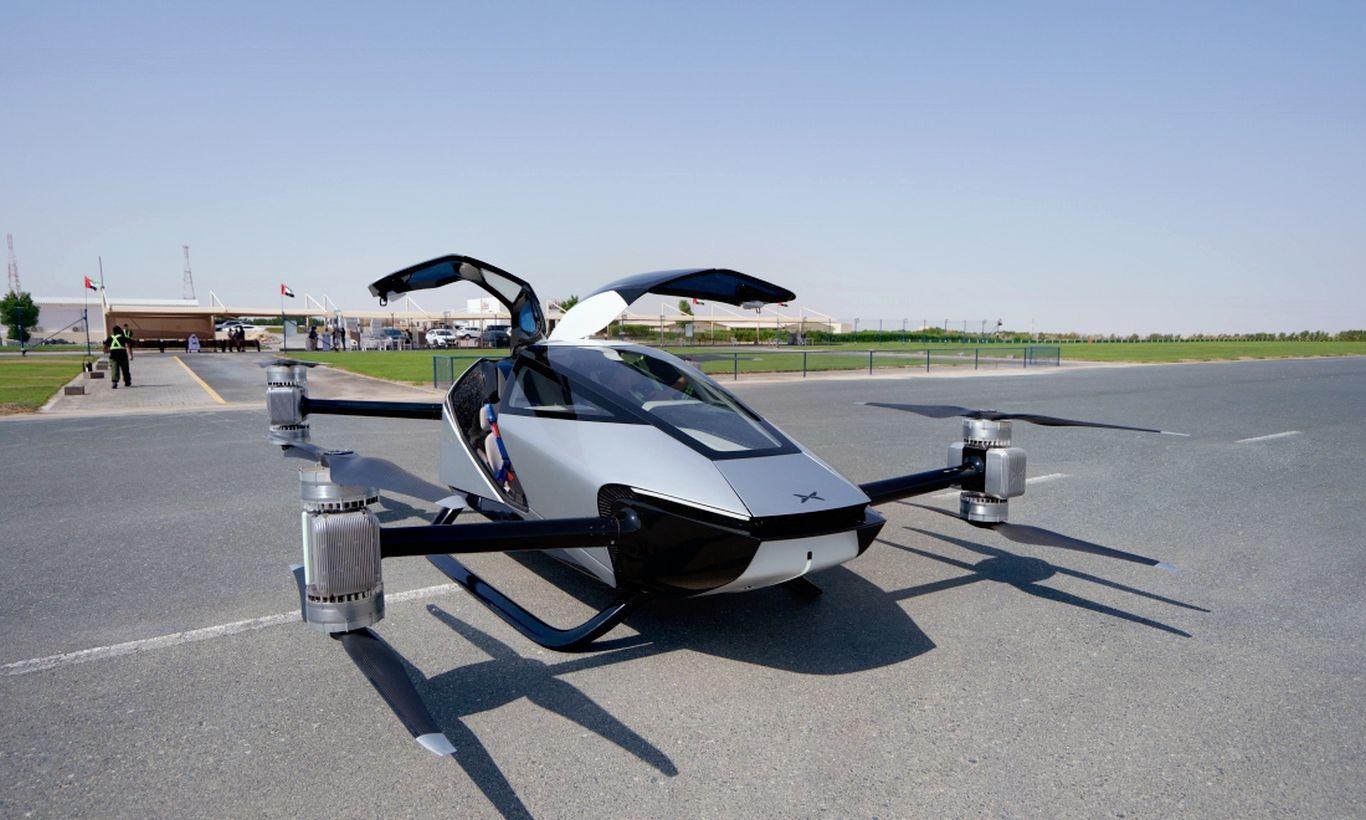
The dream of soaring above traffic jams is edging closer to reality, not with the classic cartoonish flying car, but with a new class of aircraft known as eVTOLs. This revolution in mobility promises to add a third dimension to transportation networks, offering speed, efficiency, and a solution to crippling urban congestion. The industry is maturing rapidly, moving from speculative designs to certified aircraft, with major players establishing manufacturing partnerships and securing routes for their first commercial services.
According to Straits Research, the global flying cars sector was worth USD 552.38 million in 2024 and is estimated to reach an expected value of USD 740.74 million in 2025 to USD 7,746.35 million by 2033, growing at a CAGR of 34.1% during the forecast period (2025-2033). This explosive growth forecast underscores the immense economic potential and the belief that urban air mobility will become a viable complement to ground-based transport. The initial applications are focused on air taxi services, emergency medical services, and efficient cargo delivery, with personal ownership being a longer-term goal.
Strategic Alliances and Geographic Expansion
The competition is global, characterized by strategic partnerships between aerospace innovators, automotive manufacturers, and technology companies.
-
The Automotive-Aerospace Nexus: Traditional car companies are placing strategic bets.
-
Stellantis (Netherlands): The automotive group behind brands like Chrysler and Fiat is not just an investor but the exclusive contract manufacturer for Archer Aviation's Midnight aircraft, bringing industrial scale and manufacturing prowess to the table.
-
Hyundai (South Korea): Through its Supernal subsidiary, the automaker is leveraging its automotive design, supply chain, and mass-production capabilities to develop its S-A2 eVTOL, aiming for affordability and high-volume production.
-
Toyota (Japan): As a key investor in SkyDrive, Toyota provides technical expertise in manufacturing and quality control, crucial for achieving certification and scalability.
-
-
The Airline Connection: Legacy airlines are securing their place in the new ecosystem.
-
United Airlines has placed a conditional purchase order for Archer's eVTOLs, with plans to launch initial routes from Chicago O'Hare to the city center.
-
American Airlines and Virgin Atlantic have pre-ordered aircraft from Vertical Aerospace, viewing UAM as a solution for efficient airport transfers and short-haul routes.
-
-
The Infrastructure Race: The need for vertiports has spawned its own niche.
-
Skyports (UK) is a leader in vertiport design and has partnered with multiple eVTOL manufacturers and cities globally to develop landing infrastructure.
-
Ferrovial (Spain), a global infrastructure operator, is also developing a vertiport network, beginning with plans in Florida.
-
Defining Trends and Operational Hurdles
The industry's development is being shaped by several critical factors:
-
Powertrain and Battery Evolution: The success of eVTOLs hinges on energy density and battery performance. Continuous advancements in lithium-ion and solid-state battery technology are essential to achieve the required range and payload capacity.
-
Air Traffic Management (ATM): Integrating hundreds of eVTOLs into busy airspace without compromising safety requires new, automated air traffic control systems. Companies like NASA and a multitude of startups are developing UAM-specific ATM solutions.
-
Pilot Training and Autonomy: Initially, eVTOLs will require pilots, creating a need for new training programs. The long-term goal for most companies is full autonomy, but public and regulatory acceptance of pilotless flight remains a significant hurdle.
Recent News and Global Updates
The sector's progress is constant. In a landmark achievement for the region, Eve Air Mobility, backed by Embraer, announced a partnership with Falcon Aviation Services to launch air taxi services in Dubai and Abu Dhabi by 2026. In a show of regulatory momentum, Volocopter received Design Organisation Approval from EASA, a critical step toward certifying its VoloCity aircraft. Meanwhile, a recent report from Morgan Stanley highlighted that near-term revenue is likely to be dominated by military and logistics applications before passenger services achieve scale.
Summary
The development of flying cars is accelerating, marked by global partnerships and significant regulatory milestones. The focus has shifted from pure technological demonstration to building a sustainable ecosystem encompassing manufacturing, infrastructure, and operational rules. While hurdles remain, the collaborative efforts between aviation regulators, city planners, and companies suggest that the era of urban air mobility is finally on the horizon.
- Digital Agency
- Literie
- Location de voitures
- Restaurant
- Restaurant
- Mode
- Mode
- Information
- Marketing
- Tourisme
- Développement
- Découverte
- Législation
- Gastronomie
- Pâtisserie
- Evenement
- Art
- Causes
- Crafts
- Dance
- Drinks
- Film
- Fitness
- Food
- Spellen
- Gardening
- Health
- Home
- Literature
- Music
- Networking
- Overig
- Party
- Religion
- Shopping
- Sports
- Theater
- Wellness
 Dutch
Dutch
 Indian
 English
 French
 Arabic
 Spanish
 Portuguese
 Deutsch
 Turkish
 Italiano
 Russian
 Romaian
 Portuguese (Brazil)
 Greek
Greek
