


Gum Grafting in Islamabad: Are You a Suitable Candidate?
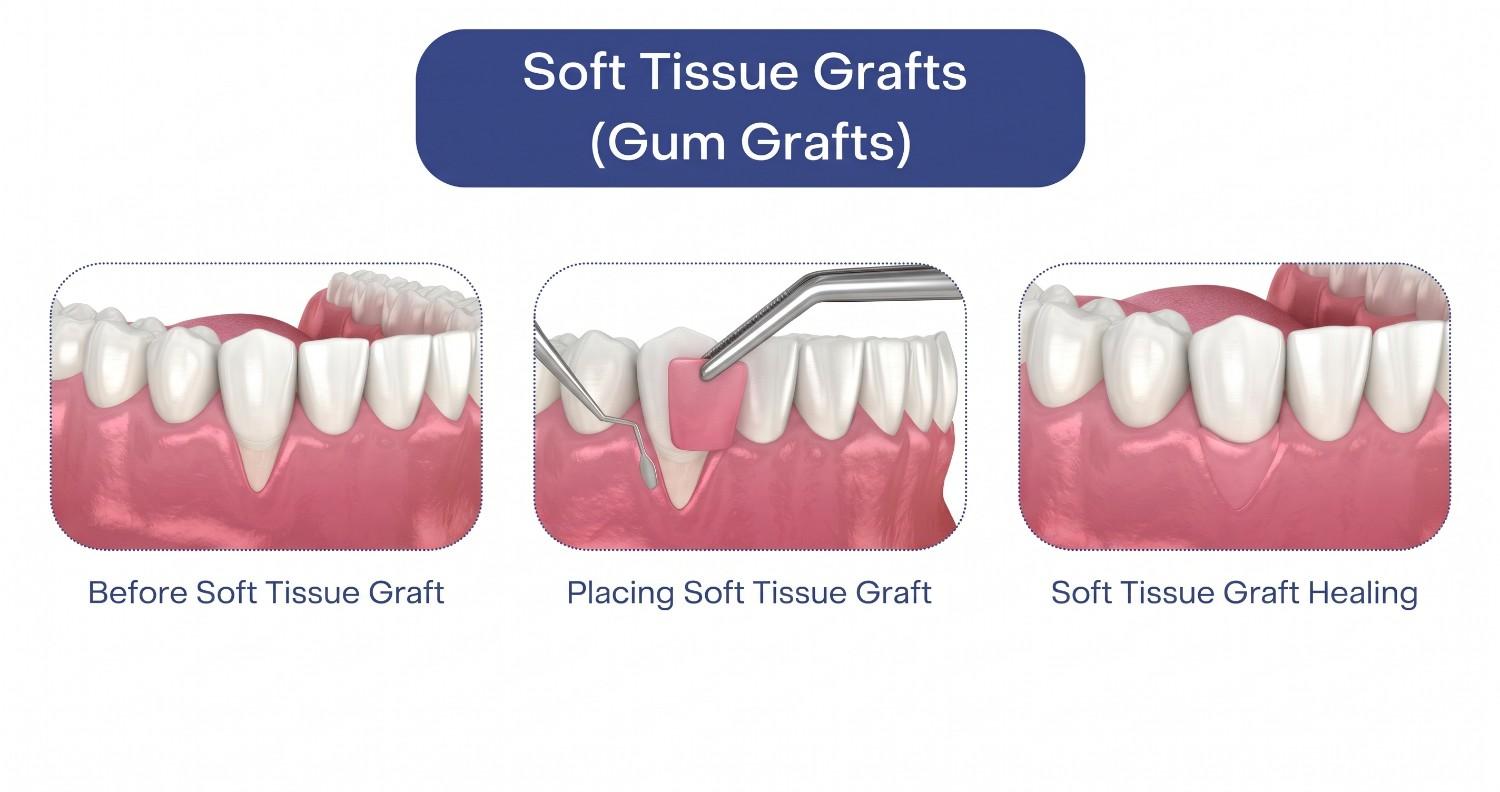
Healthy gums do more than create an attractive smile. They protect the roots of your teeth, support the surrounding tissues and help maintain oral health. However, some people develop thin gums or gradual gum recession that exposes the roots and makes teeth appear longer. If you have noticed these changes, Gum Grafting in Islamabad may be a treatment option worth discussing with a dental professional.
Gum grafting is a periodontal procedure that adds tissue to areas where the gums have become thin or receded. It can help cover exposed roots in suitable cases, increase gum thickness and improve the appearance of an uneven gumline. However, not everyone with receding gums needs surgery. The right approach depends on the cause of recession, the condition of the surrounding tissues and the patient's individual dental needs.
Understanding who qualifies for this procedure can help patients make informed decisions. This guide explains the signs that may indicate a need for gum grafting, how dentists evaluate candidates, available treatment approaches and what to expect during recovery.
What Is Gum Grafting?
Gum grafting is a surgical procedure used to add gum tissue to areas with insufficient coverage. A dentist or periodontist places tissue over or near the affected area and secures it with small stitches.
The additional tissue may come from the roof of the patient's mouth or from a processed donor material. The choice depends on the treatment area, the amount of tissue required and the clinical condition.
The procedure may serve several purposes, including:
-
Covering exposed tooth roots where predictable coverage is possible.
-
Increasing the thickness of thin gum tissue.
-
Reducing the risk of further recession in selected areas.
-
Improving the appearance of an uneven gumline.
-
Helping protect exposed root surfaces from irritation.
-
Supporting long-term periodontal stability.
Gum grafting does not automatically restore every area of lost gum tissue. Results depend on the severity of recession, the available supporting tissue and the patient's healing response.
Who May Need Gum Grafting?
A dental professional may recommend gum grafting when an examination shows that gum tissue no longer provides adequate protection around certain teeth.
Several groups of patients may benefit from an assessment.
1. People With Noticeable Gum Recession
Gum recession occurs when the gum margin moves away from the crown of the tooth, exposing part of its root. It can affect one tooth or several teeth.
Patients may notice that their teeth look longer than before or that the gumline appears uneven. Recession can also create spaces near the gumline where food particles collect more easily.
Gum grafting may help improve tissue coverage when the exposed root and surrounding anatomy make the procedure suitable.
2. Patients With Thin Gum Tissue
Some people naturally have thin gum tissue. This tissue may offer less protection against mechanical irritation and may be more vulnerable to recession in certain circumstances.
A dentist may recommend increasing tissue thickness around selected teeth, even when root exposure is limited. The decision depends on the patient's anatomy, oral hygiene and future risk factors.
3. People Experiencing Root Sensitivity
Exposed roots can cause discomfort when patients consume cold drinks, hot food, sweets or acidic items. This happens because the root surface does not have the same protective enamel covering as the visible crown.
Gum grafting may reduce sensitivity when gum recession is the underlying cause. However, sensitivity can also result from tooth decay, cracks, worn enamel or other dental conditions. A proper diagnosis is necessary before selecting treatment.
4. Patients Concerned About Uneven Gumlines
Gum recession can change the appearance of a smile. One tooth may appear longer than its neighbour, creating an uneven gumline.
For some patients, gum grafting may improve the balance of the gum margins. However, cosmetic improvement depends on the location and severity of recession, as well as the natural shape of the teeth.
5. Patients With Areas at Risk of Further Recession
Certain teeth may have limited gum thickness or exposed root surfaces that require closer monitoring. A dentist may consider grafting when the clinical findings suggest that additional tissue could improve protection.
Not every area at risk needs surgery. Sometimes, improving brushing habits and controlling inflammation may be sufficient.
What Causes Gum Recession?
Before recommending gum grafting, a dentist needs to understand why the gums have receded. Treating the underlying cause is important because grafting alone does not remove every factor that can affect gum health.
Aggressive Tooth Brushing
Brushing with excessive pressure or using a hard-bristled toothbrush may irritate the gum margin over time.
Repeated mechanical trauma can contribute to recession, particularly in patients who already have thin gum tissue. Using a soft-bristled toothbrush and gentle brushing movements can help reduce unnecessary pressure.
Periodontal Disease
Gum disease develops when bacterial plaque causes inflammation around the teeth. If the condition progresses, it can damage the supporting structures, including the gums and underlying bone.
Patients with active periodontal disease usually need appropriate periodontal treatment before a grafting procedure can be considered.
Naturally Thin Gum Tissue
Some people have a thin gum structure because of their natural anatomy. Tooth position and the amount of supporting bone may also influence the thickness and stability of the surrounding tissues.
These factors can make certain areas more vulnerable to recession.
Incorrect Brushing Technique
Brushing horizontally with excessive force can repeatedly irritate the same gum areas. Over time, this habit may contribute to tissue damage.
A dentist or hygienist can demonstrate a suitable brushing technique and recommend an appropriate toothbrush.
Tobacco Use
Smoking and other tobacco use can negatively affect gum health and healing. Tobacco exposure is associated with a higher risk of periodontal problems and may complicate recovery after oral surgery.
Patients should discuss tobacco use honestly with their dental professional before treatment.
Tooth Position and Orthodontic Factors
Teeth positioned outside the supporting bone may have a thinner surrounding tissue structure. Orthodontic treatment can also require careful assessment of gum thickness and bone support.
A dentist may evaluate these factors before recommending grafting.
How Does a Dentist Determine Whether You Are a Suitable Candidate?
A consultation involves more than simply looking at the visible gumline. The dentist needs to examine the affected teeth, surrounding tissues and possible causes of recession.
Gum Recession Measurements
The dentist measures how far the gum margin has moved from its normal position. These measurements help identify the severity of recession and provide a baseline for future comparison.
The number of affected teeth and the location of recession also influence treatment planning.
Assessment of Gum Thickness
Thin tissue may require a different approach from thicker gum tissue. The dentist checks the available tissue around the tooth and considers whether additional thickness could improve protection.
Examination of Periodontal Health
The dentist checks for signs of inflammation, bleeding, deep periodontal pockets and supporting tissue damage.
If active gum disease is present, treatment may be necessary before surgery.
Evaluation of Tooth Roots
The condition of the exposed root surface can affect the treatment plan. The dentist checks for decay, root sensitivity, existing restorations and other issues that may require attention.
Review of Medical and Dental History
Certain medical conditions, medications and lifestyle habits can influence healing. The dental professional may ask about previous oral surgeries, tobacco use, allergies and current medications.
This information helps determine whether the procedure is appropriate and how to plan it safely.
When Might Gum Grafting Not Be the First Choice?
Gum grafting is not always necessary, even when patients notice some recession.
A dentist may recommend monitoring or non-surgical care in situations such as:
-
Mild recession that is stable and does not create significant problems.
-
Sensitivity that responds to suitable desensitising treatment.
-
Active gum inflammation that requires treatment first.
-
Root decay or another dental problem that needs separate management.
-
Medical or lifestyle factors that require attention before surgery.
The goal is to select treatment based on clinical need rather than performing surgery simply because recession is visible.
Types of Gum Grafting Procedures
Different grafting methods address different tissue requirements. The dentist selects an approach after examining the affected area.
Connective Tissue Graft
A connective tissue graft is commonly used to improve tissue thickness and cover exposed roots in suitable cases.
The dentist usually obtains a small amount of connective tissue from beneath the surface layer of the palate. The tissue is then placed over or around the affected root area and secured with stitches.
This technique may be considered when root coverage and improved tissue thickness are treatment goals.
Free Gingival Graft
A free gingival graft uses a small piece of tissue taken from the roof of the mouth. The tissue is placed in the treatment area to increase the amount of gum tissue.
Dentists may use this technique when the main objective is to increase the width or thickness of attached gum tissue.
Pedicle Graft
A pedicle graft uses nearby gum tissue rather than tissue taken from another location. The dentist carefully moves a section of adjacent gum tissue over the exposed area while maintaining its blood supply.
This approach is only suitable when enough healthy tissue is available near the affected tooth.
Donor Tissue Graft
Some procedures use processed donor tissue instead of taking tissue from the patient's palate.
This option may reduce the need for a second surgical site. However, its suitability depends on the patient's condition, the treatment objective and the dentist's clinical judgement.
What Happens During the Gum Grafting Procedure?
Knowing the main stages of treatment can help patients feel more prepared.
Step 1: Initial Consultation
The dentist examines the gums, measures recession and checks the supporting structures. They also discuss the patient's concerns and explain whether grafting is appropriate.
Step 2: Treatment Planning
The dentist selects the grafting technique and explains the expected treatment process. Patients should understand the potential benefits, limitations, risks and aftercare requirements before proceeding.
Step 3: Local Anaesthesia
The treatment area is numbed with local anaesthesia. This helps reduce discomfort during the procedure.
Patients may remain awake throughout treatment, although they should follow any additional instructions provided by their dental professional.
Step 4: Tissue Placement
The dentist prepares the treatment area and places the selected graft tissue. Small stitches hold the tissue in position while healing begins.
If tissue is taken from the palate, that area also requires care during recovery.
Step 5: Post-Treatment Instructions
After the procedure, the dentist explains how to protect the graft, manage discomfort and maintain oral hygiene without disturbing the healing tissue.
Follow-up appointments help assess recovery and the stability of the graft.
What Is Recovery Like After Gum Grafting?
Recovery varies depending on the grafting technique, the number of treated teeth and the patient's general health.
Some tenderness, swelling or minor bleeding may occur during the early healing period. Patients who have tissue taken from the palate may also experience discomfort at the donor site.
First 24 to 48 Hours
The treatment area needs protection during the initial healing stage. Patients should avoid touching the graft with their fingers or tongue.
The dentist may recommend specific pain relief, cold compresses or other measures depending on the procedure.
First Week
Swelling and tenderness may gradually improve. Patients should follow instructions about eating, brushing and rinsing.
Soft foods are generally easier to manage than hard, crunchy or sharp foods. Avoid chewing directly on the treated area.
Following Weeks
The graft continues to integrate with the surrounding tissue. The dentist may schedule follow-up visits to check healing and remove stitches when appropriate.
Patients should not judge the final appearance too early because tissue maturation takes time.
Foods and Habits to Avoid During Recovery
Daily habits can affect healing. Patients should follow the specific instructions provided by their dentist.
Some general precautions include:
-
Avoid hard, crunchy and sharp foods near the surgical area.
-
Do not pull at the lip or cheek to inspect the graft repeatedly.
-
Avoid brushing directly over the graft until instructed.
-
Do not use tobacco during recovery.
-
Avoid strenuous activity if the dentist advises rest.
-
Do not skip follow-up appointments.
-
Avoid using mouth rinses or medicines that the dentist has not recommended.
Good aftercare helps protect the surgical site while the tissue heals.
Benefits and Limitations of Gum Grafting
Gum grafting can offer several benefits when the dentist selects the procedure for an appropriate clinical reason.
Potential benefits include:
-
Improved gum coverage around selected teeth.
-
Increased thickness of thin gum tissue.
-
Reduced root sensitivity in some patients.
-
Improved appearance of an uneven gumline.
-
Additional protection for exposed root surfaces.
-
Better tissue stability in suitable cases.
However, patients should also understand the limitations. Complete root coverage is not guaranteed, particularly when recession is advanced or the supporting tissues are limited. The procedure also cannot reverse every type of periodontal damage.
Maintaining good oral hygiene and attending regular dental appointments remain important after treatment.
What Is the Cost of Gum Grafting in Islamabad?
The cost of gum grafting depends on the complexity of the procedure and the patient's individual treatment needs. A single affected tooth may require a different approach from several areas of recession.
Patients researching the Gum Grafting cost should consider the factors that influence the overall treatment plan.
These may include:
-
Number of teeth requiring treatment.
-
Type of grafting technique.
-
Whether tissue comes from the patient's palate or a donor source.
-
Severity and location of gum recession.
-
Need for periodontal treatment before surgery.
-
Diagnostic examinations and follow-up appointments.
-
Complexity of the surgical procedure.
A dental consultation is the best way to receive an accurate estimate. Patients should ask what the quoted fee includes and whether additional treatment may be required.
Can Gum Recession Be Prevented After Treatment?
Gum grafting can improve tissue coverage, but daily care remains essential. Patients should address the habits and conditions that contributed to recession in the first place.
Consider these preventive measures:
Use a Soft-Bristled Toothbrush
A soft-bristled toothbrush can clean teeth without unnecessary pressure on the gums. Brush gently and avoid aggressive horizontal scrubbing.
Maintain Regular Dental Visits
Routine examinations help dentists identify gum inflammation, recession and other concerns before they become more complicated.
Treat Gum Disease Early
Bleeding, swelling and persistent gum inflammation should not be ignored. Professional periodontal care can help control infection and protect supporting tissues.
Avoid Tobacco
Tobacco can negatively affect gum health and healing. Avoiding it supports better long-term oral health.
Follow Your Dentist's Instructions
Patients who have undergone grafting should follow the recommended brushing technique, cleaning schedule and follow-up plan.
Choosing Dental Care for Gum Recession in Islamabad
Selecting the right dental professional is an important part of treatment planning. Patients should look for a dentist who carefully evaluates gum health, explains available options and discusses realistic outcomes.
During a consultation, consider asking:
-
What is causing my gum recession?
-
Is grafting necessary in my case?
-
Which grafting technique is suitable?
-
Will the procedure aim to cover the root or increase tissue thickness?
-
What are the possible risks and limitations?
-
How long should I expect recovery to take?
-
What follow-up care will I need?
Patients seeking an initial dental assessment can contact Dental Clinic Islamabad to discuss their dental concerns and ask about suitable care options. The appropriate treatment should be confirmed after a clinical examination.
Conclusion
Gum recession can affect the appearance of your smile and expose sensitive tooth roots. For patients with thin or insufficient gum tissue, gum grafting may offer a way to improve coverage and strengthen selected areas around the teeth.
However, the procedure is not suitable for everyone. The dentist must evaluate recession severity, gum thickness, periodontal health and the underlying cause before recommending surgery. Patients should also understand that successful results depend on careful treatment planning, healing and long-term oral hygiene.
If you have noticed receding gums, exposed roots or persistent sensitivity, arrange a dental examination rather than waiting for the condition to become more difficult to manage.
Frequently Asked Questions
1. How do I know if I need gum grafting?
You may need an assessment if your teeth appear longer, your roots are exposed, your gums look uneven or you experience sensitivity near the gumline. A dentist must examine your gums before recommending grafting.
2. Can gum grafting treat thin gums without recession?
Yes. In selected cases, dentists may use grafting to increase gum thickness even when significant root exposure is not present. The decision depends on the patient's anatomy and clinical needs.
3. Is gum grafting painful?
Local anaesthesia helps control discomfort during the procedure. Some tenderness, swelling or discomfort may occur afterwards, particularly if tissue is taken from the palate.
4. How long does gum grafting take to heal?
Initial healing takes place over the first few weeks, but the tissue may continue to mature over a longer period. Recovery depends on the technique and the patient's healing response.
5. Can gum grafting completely cover exposed roots?
Complete coverage may be possible in some cases, but it cannot be guaranteed. The result depends on recession severity, tissue availability, tooth position and other clinical factors.
6. Can gum recession return after grafting?
Further recession may occur if contributing factors remain uncontrolled or new problems develop. Good oral hygiene, gentle brushing and regular dental visits help maintain gum health.
7. Is gum grafting necessary for every case of receding gums?
No. Mild or stable recession may only require monitoring and improved oral hygiene. A dentist recommends grafting when the expected benefits justify the procedure.
8. How much does gum grafting cost in Islamabad?
The cost varies according to the number of treated areas, grafting technique, tissue source and complexity. A clinical examination is needed for an accurate estimate.
9. Can I brush my teeth after gum grafting?
You should continue maintaining oral hygiene, but the dentist will explain how to clean around the surgical site safely. Avoid brushing directly over the graft until you receive permission.
10. Does gum grafting improve the appearance of a smile?
It can improve an uneven gumline and reduce the appearance of exposed roots in suitable cases. The final cosmetic result depends on the patient's anatomy and healing response.
- Digital Agency
- Literie
- Location de voitures
- Restaurant
- Restaurant
- Mode
- Mode
- Information
- Marketing
- Tourisme
- Développement
- Découverte
- Législation
- Gastronomie
- Pâtisserie
- مناسبة
- Art
- Causes
- Crafts
- Dance
- Drinks
- Film
- Fitness
- Food
- الألعاب
- Gardening
- Health
- الرئيسية
- Literature
- Music
- Networking
- أخرى
- Party
- Religion
- Shopping
- Sports
- Theater
- Wellness
 Arabic
 Indian
 English
 French
 Spanish
 Portuguese
 Deutsch
 Turkish
 Dutch
 Italiano
 Russian
 Romaian
 Portuguese (Brazil)
 Greek