


Understanding Parasitic Infections and Their Prevention
Parasitic infections affect hundreds of millions of people worldwide, and they are not limited to tropical regions. Travel, contaminated food or water, pets, and even everyday contact with soil can expose anyone to parasites. The good news is that most parasitic infections are preventable and treatable once they are correctly identified.
This guide explains what parasitic infections are, how they spread, which symptoms to watch for, how they are treated, and the practical habits that lower your risk.
What Is a Parasitic Infection?
A parasite is an organism that lives on or inside a host and feeds at the host's expense. In humans, parasites fall into three main groups:
- Protozoa: single-celled organisms such as Giardia and Cryptosporidium, which often cause diarrhea and stomach cramps.
- Helminths: parasitic worms such as roundworm, hookworm, tapeworm, pinworm, and Strongyloides.
- Ectoparasites: organisms that live on the skin or hair, including scabies mites and head lice.
How Parasites Spread
Parasites reach people in a handful of common ways:
- Contaminated water or food: drinking untreated water, or eating raw or undercooked meat, fish, or unwashed produce.
- Contact with soil: some worms, including hookworm and Strongyloides, can enter through bare skin, especially the feet.
- Poor hand hygiene: eggs can pass from hands to mouth, a common route for pinworm and roundworm.
- Insect bites: mosquitoes, flies, and other vectors transmit parasites that cause malaria and river blindness.
- Close personal contact: scabies and lice spread through prolonged skin contact or shared bedding and clothing.
- Pets and animals: untreated pets can carry parasites that spread to people.
Common Symptoms
Symptoms vary widely depending on the parasite. Some infections cause no obvious symptoms for months or years. Possible signs include:
- Ongoing diarrhea, nausea, or abdominal pain
- Bloating, gas, or unexplained weight loss
- Fatigue or anemia
- Itching, especially at night, or a skin rash
- Visible worms or segments in stool
- Fever, or symptoms that began after travel to a high-risk area
These symptoms overlap with many other conditions, so self-diagnosis is unreliable. Persistent symptoms deserve a proper medical evaluation.
How Parasitic Infections Are Diagnosed
A licensed healthcare provider will usually start with your symptom history, travel history, and exposure risks. Diagnosis may involve stool tests, blood tests, skin examination, or imaging, depending on the suspected parasite. Getting the right diagnosis matters because different parasites need different medications.
How Parasitic Infections Are Treated
Treatment depends on the type of parasite. Antiparasitic medicines such as ivermectin, albendazole, and praziquantel are each effective against specific organisms. Ivermectin, for example, is an approved treatment for certain conditions including strongyloidiasis (an intestinal worm infection) and onchocerciasis (river blindness), and is also used for scabies and certain other parasitic conditions under medical guidance.
If you would like a deeper look at how this medicine works, read our guide: How Is Ivermectin Used to Treat Parasitic Infections? Medical Uses, Benefits, and Safety.
Two important points:
- Dosing is individualized. It depends on the infection, your body weight, age, and medical history. Our overview of ivermectin tablet strengths (3 mg, 6 mg and 12 mg) explains how strengths differ, but your prescriber decides what is right for you.
- Follow the full course. Stopping early or taking medicine without a confirmed diagnosis can leave the infection untreated or cause side effects. Pregnant women, young children, and people with other health conditions should always speak with a doctor first.
Talk to a professional before you treat. Not sure what is causing your symptoms? A licensed healthcare provider can confirm the diagnosis and recommend the right treatment. Have questions about our products or how ordering works? Contact our team and we will be happy to help.
10 Practical Ways to Prevent Parasitic Infections
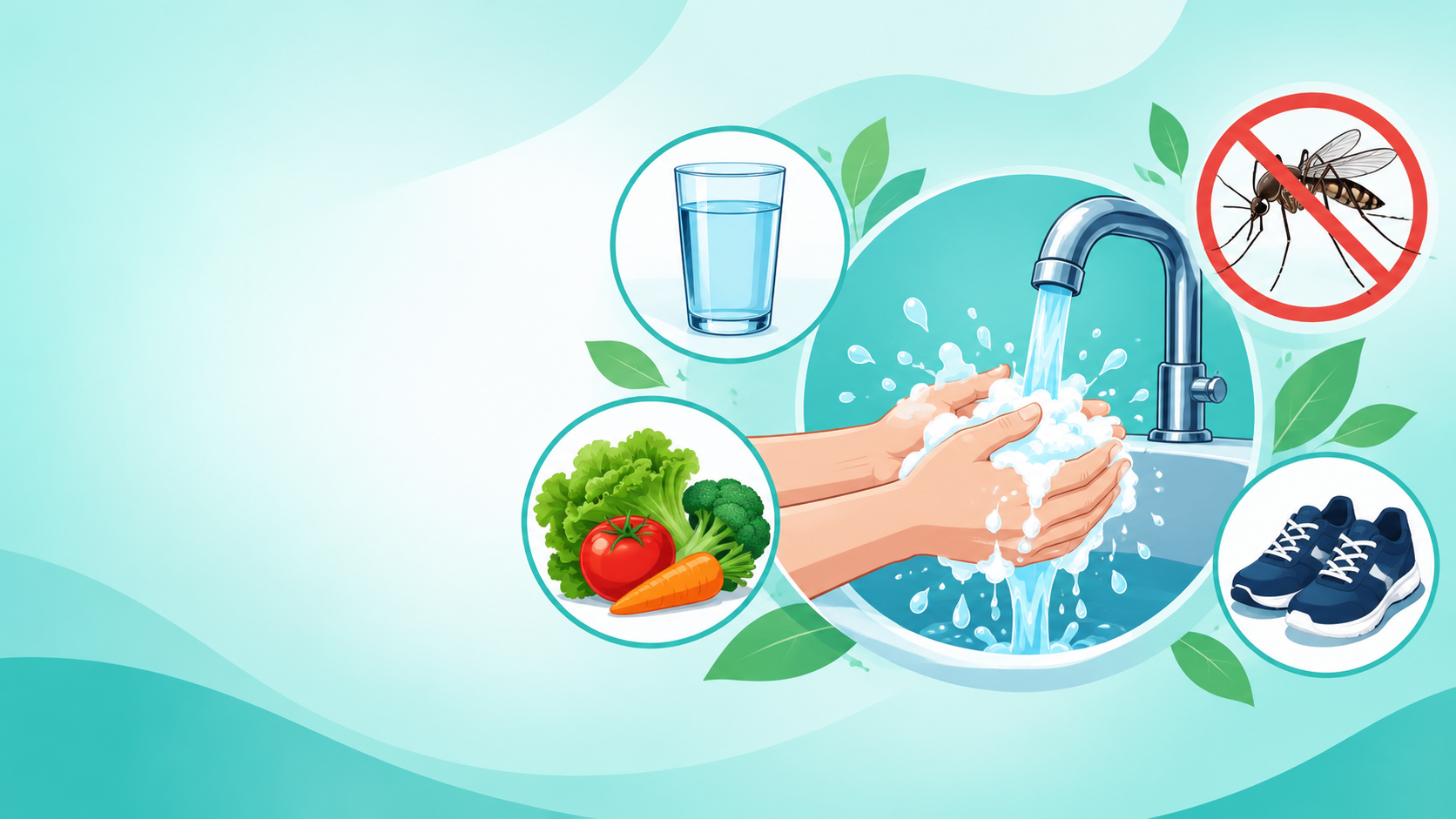
- Wash your hands thoroughly. Use soap and water after using the toilet, changing diapers, handling pets, gardening, and before eating or preparing food.
- Drink safe water. When traveling or when water quality is uncertain, use bottled, boiled, or properly filtered water.
- Cook food completely. Cook meat and fish to safe internal temperatures and avoid raw or undercooked animal products in high-risk areas.
- Wash produce well. Rinse fruits and vegetables under clean running water, and peel them when appropriate.
- Wear shoes outdoors. Footwear helps protect you from worms that enter through the skin in contaminated soil.
- Protect against insect bites. Use repellent, long sleeves, and bed nets in regions where mosquito- or fly-borne parasites occur.
- Keep pets on a deworming schedule. Regular veterinary care protects both your animals and your household.
- Practice safe food and kitchen hygiene. Keep raw meat separate from other foods and clean cutting boards and utensils after use.
- Avoid sharing personal items. Bedding, towels, clothing, combs, and hats can spread scabies and lice.
- Plan ahead for travel. Check the health advisories for your destination and speak to a doctor before you go about vaccines, prevention, and food and water precautions.
When to See a Doctor
See a healthcare provider if you have diarrhea lasting more than a few days, unexplained weight loss, blood in your stool, persistent itching or rash, a fever after traveling, or if several members of your household show similar symptoms. Seek urgent care for severe dehydration, severe abdominal pain, or a high fever.
Key Takeaways
- Parasitic infections come from water, food, soil, insects, pets, and close contact.
- Symptoms are easy to confuse with other illnesses, so testing and diagnosis matter.
- Different parasites need different medicines, prescribed and monitored by a licensed provider.
- Simple habits like handwashing, safe water, and thorough cooking prevent most infections.
Learn More and Shop Responsibly
If your provider has recommended an antiparasitic treatment, you can browse our shop to see available options. Before ordering from any online seller, read our checklist on how to verify an online pharmacy before ordering prescription medication, and explore more health guides on our blog. To learn who we are, visit our About Us page.
Need help? Contact us with your questions.
- Digital Agency
- Literie
- Location de voitures
- Restaurant
- Restaurant
- Mode
- Mode
- Information
- Marketing
- Tourisme
- Développement
- Découverte
- Législation
- Gastronomie
- Pâtisserie
- Event
- Art
- Causes
- Crafts
- Dance
- Drinks
- Film
- Fitness
- Food
- Games
- Gardening
- Health
- Home
- Literature
- Music
- Networking
- Other
- Party
- Religion
- Shopping
- Sports
- Theater
- Wellness
 English
 Indian
 French
 Arabic
 Spanish
 Portuguese
 Deutsch
 Turkish
 Dutch
 Italiano
 Russian
 Romaian
 Portuguese (Brazil)
 Greek