


A Clearer View of Digital Imaging: The Technology Behind Modern EVF Optical Modules
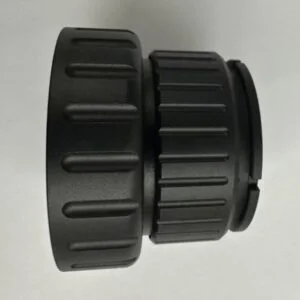
Digital imaging technology has changed how photographers, camera manufacturers, and imaging professionals capture and review visual information. One important development is the electronic viewfinder, which allows users to preview a digital image through a small display and an optical viewing system. The quality of this experience depends on several components working together, including the display, lenses, and optical arrangement. An EVF optical moudle is an important component category for manufacturers developing compact electronic viewing systems and advanced imaging products.
What Is an Electronic Viewfinder?
An electronic viewfinder, commonly called an EVF, is a small display-based viewing system that presents a digital image to the user's eye. Unlike an optical viewfinder, which allows users to see a scene through a direct optical path, an EVF displays information captured and processed by an imaging sensor.
This approach provides opportunities to show more than the scene itself. Depending on the camera or device, an electronic viewfinder may display exposure information, focus indicators, shooting settings, and other useful details.
EVF systems are commonly associated with mirrorless cameras and specialized digital imaging equipment. They are also relevant to broader developments in compact display and wearable optical technologies.
Why Optical Modules Matter in EVF Systems
A small electronic display alone does not create a comfortable viewing experience. The image must be presented through an optical arrangement that allows the user to view it clearly at a suitable distance.
The optical module helps manage how the display image reaches the eye. Lens configuration, focal characteristics, alignment, and optical quality all influence the final viewing experience.
A well-designed module must work with the display and mechanical structure of the device. Manufacturers therefore need to consider the optical assembly as part of the complete imaging system rather than treating it as an independent accessory.
Important Features of EVF Optical Design
EVF optical systems have several technical requirements that influence their performance and usability.
Image clarity: The optical arrangement should present display content with suitable sharpness so users can review details comfortably.
Magnification: Appropriate magnification helps determine how large the displayed image appears through the viewfinder.
Eye relief: This refers to the distance between the viewing optics and the position where the user's eye can comfortably see the full image.
Field of view: A suitable field of view helps users view the displayed scene and information without unnecessary restriction.
Distortion control: Optical distortion can affect how accurately the displayed image appears, making lens design and configuration important.
Compact integration: EVF modules often need to fit within limited device space while maintaining the required viewing characteristics.
Balancing these elements is an important part of developing an effective electronic viewfinder.
Applications of EVF Optical Technology
Electronic viewfinders are useful in products where users need a direct and detailed view of digital imaging information.
Mirrorless cameras: EVFs allow photographers to preview exposure, composition, and other camera information before capturing an image.
Professional imaging equipment: Specialized cameras may use electronic viewing systems to support particular photography, recording, or inspection tasks.
Industrial imaging: Certain imaging devices benefit from electronic viewing arrangements that help operators inspect visual information.
Compact digital devices: Small optical modules can support space-conscious product designs where traditional viewing arrangements may not be practical.
Wearable display development: EVF-related optical engineering also contributes to the broader knowledge used in compact display and near-eye viewing systems.
The exact requirements vary depending on the device, display technology, and intended user experience.
Selecting the Right EVF Optical Module
Choosing an optical module requires a clear understanding of the complete device design. Manufacturers should evaluate the display specifications, viewing requirements, available space, and intended operating conditions before selecting a component.
Some important considerations include:
-
Display compatibility: The optical system should match the dimensions and characteristics of the intended display.
-
Optical configuration: Lens arrangement and focal properties should support the required viewing experience.
-
Mechanical dimensions: The module must fit the product housing and mounting structure.
-
Viewing comfort: Eye relief, magnification, and field of view should suit the intended application.
-
Manufacturing quality: Consistent optical production helps maintain predictable performance across devices.
-
Technical support: Clear specifications and communication can help engineers assess whether a module meets their project requirements.
Evaluating these factors early can help reduce design complications during product development.
The Importance of Precision Optical Manufacturing
Small optical components can have a significant influence on the performance of an electronic viewing system. Surface quality, dimensional accuracy, lens alignment, and material selection all contribute to the final result.
Manufacturers developing EVF products need components that match their optical and mechanical requirements. Working with specialized optical suppliers can help product development teams explore suitable solutions and understand the technical characteristics of available modules.
ARV Optical provides optical products for specialized imaging and AR/VR-related applications. Businesses researching compact viewing technologies can explore its optical module category when evaluating components for new product designs.
Future Developments in Electronic Viewfinder Technology
As digital imaging continues to advance, manufacturers are looking for viewfinder systems that offer improved clarity, compact construction, and more refined user experiences. Developments in display resolution, lens design, and optical integration will continue to influence the evolution of EVF technology.
The challenge is to combine high-quality image presentation with practical dimensions and reliable manufacturing. Achieving this balance requires close coordination between display engineering and optical component design.
For camera manufacturers, imaging equipment developers, and businesses working on compact viewing systems, selecting suitable optical components is an important part of product development. Exploring an EVF optical moudle can help engineering teams investigate available optical solutions and identify options that align with their intended imaging applications.
- Digital Agency
- Literie
- Location de voitures
- Restaurant
- Restaurant
- Mode
- Mode
- Information
- Marketing
- Tourisme
- Développement
- Découverte
- Législation
- Gastronomie
- Pâtisserie
- Evento
- Art
- Causes
- Crafts
- Dance
- Drinks
- Film
- Fitness
- Food
- Jogos
- Gardening
- Health
- Início
- Literature
- Music
- Networking
- Outro
- Party
- Religion
- Shopping
- Sports
- Theater
- Wellness
 Portuguese (Brazil)
 Indian
 English
 French
 Arabic
 Spanish
 Portuguese
 Deutsch
 Turkish
 Dutch
 Italiano
 Russian
 Romaian
 Greek