
How a Laser Rust Removal Tool Transforms Modern Metal Surface Treatment
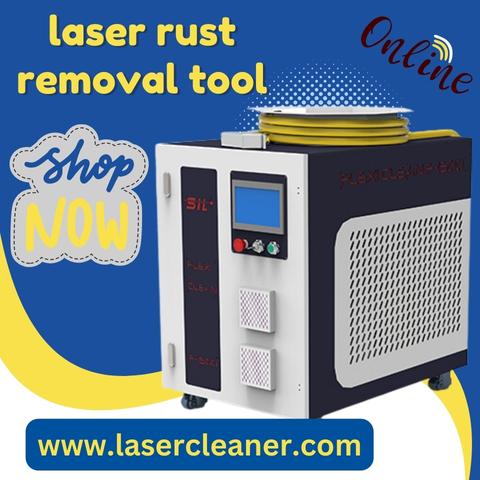
Rust is a common problem in metalworking, automotive repair, manufacturing, and industrial maintenance. Over time, moisture, oxygen, and environmental exposure create corrosion on metal surfaces, affecting their appearance and condition. Traditional cleaning methods often require chemicals, abrasive materials, or extensive manual effort. Modern laser technology provides another approach to treating these surfaces. A laser rust removal tool uses concentrated laser energy to remove rust, oxidation, and unwanted surface contaminants from different metal components.
How Does Laser Rust Removal Technology Work?
Laser rust removal works by directing a controlled laser beam toward a contaminated metal surface. The laser energy interacts with the rust layer, helping separate unwanted material from the underlying metal. This process is commonly known as laser ablation.
The operator adjusts the laser settings according to the material, rust thickness, and cleaning requirements. Different applications may require different power levels, scanning speeds, and operating modes. Proper adjustment helps achieve consistent cleaning results while controlling the effect on the base material.
Industrial laser cleaning systems are available in different configurations, including handheld equipment and automated machines. Handheld systems are suitable for various maintenance and workshop applications, while automated systems can be integrated into production environments.
Applications Across Different Industries
Laser rust cleaning technology is used in several industries where metal surface preparation is important.
Automotive Industry: Automotive workshops use laser cleaning equipment to remove corrosion from vehicle frames, engine components, metal panels, and other parts before repair or refinishing.
Manufacturing Industry: Metal fabrication facilities use laser cleaning during surface preparation, particularly before welding, coating, and other manufacturing processes.
Shipbuilding and Marine Maintenance: Marine equipment is regularly exposed to moisture and salt, which can accelerate corrosion. Laser cleaning systems can help maintain metal structures, equipment, and selected components.
Industrial Equipment Maintenance: Machinery, tools, and metal components may develop rust during storage or regular operation. Laser cleaning provides an additional method for removing surface contamination during maintenance.
Choosing the Right Equipment for Your Requirements
Selecting suitable equipment depends on the type of metal, the amount of corrosion, and the working environment. Before purchasing a laser rust removal tool, businesses should consider the required laser power, cleaning area, operating mode, and equipment configuration.
For smaller workshops, portable equipment may be appropriate because operators can move it between different workstations. Large manufacturing facilities may require higher-power systems or automated cleaning solutions for repeated industrial operations.
It is also important to review the available control settings, cooling arrangements, operating instructions, and maintenance requirements. Buyers should discuss their actual cleaning applications with the equipment supplier to identify an appropriate machine configuration.
Operating and Maintenance Considerations
Correct operation plays an important role in achieving reliable cleaning results. Operators should receive proper training and follow the manufacturer's instructions before using laser equipment.
Laser safety must remain a priority throughout the cleaning process. Appropriate laser protective eyewear, controlled work areas, protective enclosures where required, and suitable fume extraction systems should be considered. Reflections from metal surfaces and airborne particles also require attention.
Regular inspection of optical components, protective lenses, cooling systems, and electrical connections helps maintain equipment performance. Following the recommended maintenance schedule can also reduce unexpected interruptions during industrial operations.
The Growing Demand for Laser Cleaning Solutions
As manufacturing industries continue to explore modern surface treatment technologies, laser cleaning is becoming an important option for metal preparation and maintenance. Businesses are looking for controlled cleaning processes that can fit different production requirements.
A laser rust removal tool can support workshops, automotive facilities, metal fabrication businesses, and industrial maintenance teams. With suitable machine selection, correct operating settings, and appropriate safety procedures, laser cleaning technology can become part of an effective metal surface treatment process.
Final Thoughts
Laser cleaning technology is changing how industries approach rust and surface contamination. From small repair workshops to large manufacturing facilities, these systems offer a modern method for treating metal surfaces. Understanding equipment specifications, application requirements, and operating procedures helps businesses select the right solution for their needs. Investing in suitable laser cleaning equipment can support more controlled and consistent metal surface preparation.
- Digital Agency
- Literie
- Location de voitures
- Restaurant
- Restaurant
- Mode
- Mode
- Information
- Marketing
- Tourisme
- Développement
- Découverte
- Législation
- Gastronomie
- Pâtisserie
- Evenement
- Art
- Causes
- Crafts
- Dance
- Drinks
- Film
- Fitness
- Food
- Spellen
- Gardening
- Health
- Home
- Literature
- Music
- Networking
- Overig
- Party
- Religion
- Shopping
- Sports
- Theater
- Wellness
 Dutch
 Indian
 English
 French
 Arabic
 Spanish
 Portuguese
 Deutsch
 Turkish
 Italiano
 Russian
 Romaian
 Portuguese (Brazil)
 Greek