


Garment Manufacturers in the UK for Small Clothing Brands
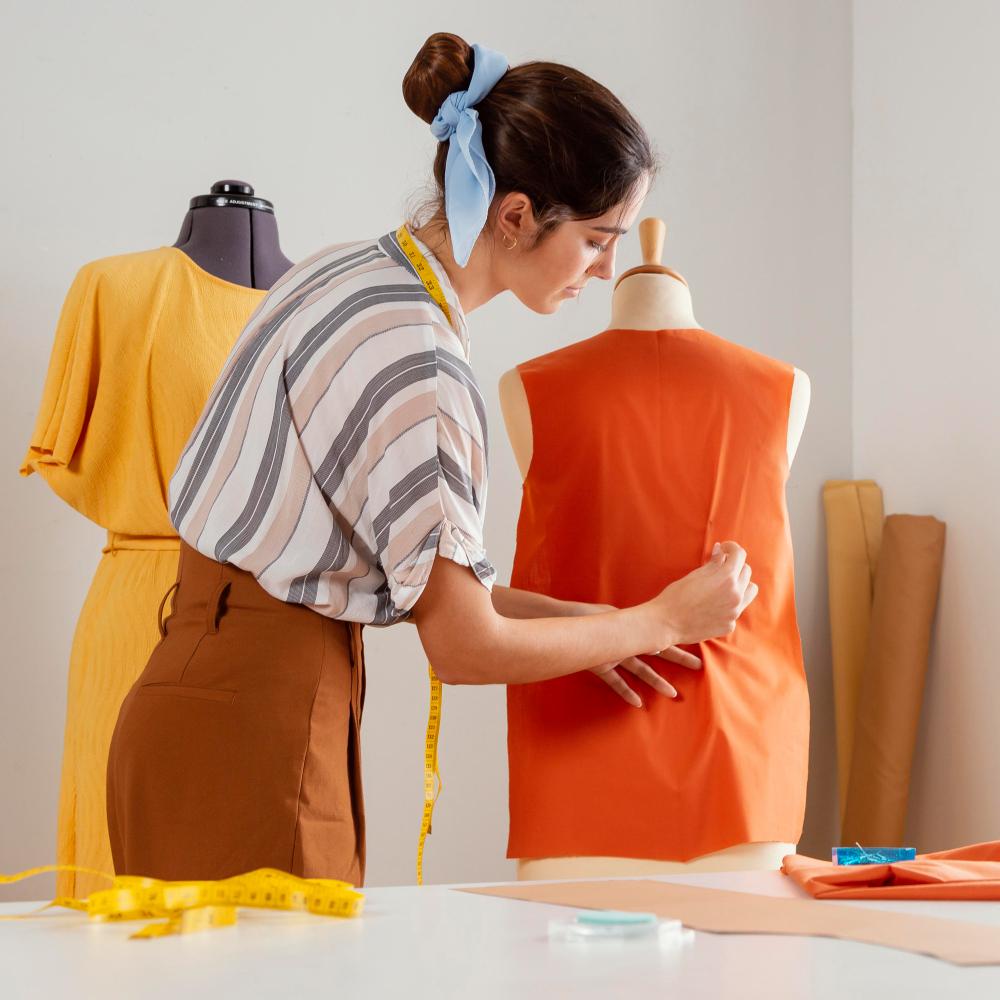
Starting a clothing brand requires more than a good design. Small fashion businesses also need a reliable manufacturing partner who can turn their ideas into finished garments without creating unnecessary production challenges. Finding the right garment manufacturer can be difficult, especially when you have a limited budget, a small first order or specific fabric requirements.
UK clothing brands can work with local manufacturers or consider overseas production partners in countries such as India. The right choice depends on your product type, order quantity, quality expectations, and long-term business plans. This guide explains what small clothing brands should check before selecting a garment manufacturer and how to plan production with confidence.
1. Why Small Clothing Brands Need the Right Garment Manufacturer
Small clothing brands often face different manufacturing challenges from established fashion businesses. They may have limited budgets, fewer product designs and uncertain demand for their first collection.
A suitable manufacturer should understand these requirements and offer production support that matches the brand's current stage.
Here are some important factors for small clothing businesses:
-
Flexible Production Quantities: A manageable MOQ helps brands test new designs without ordering more stock than they need.
-
Sample Development: Samples allow designers to check fit, fabric and construction before bulk production.
-
Consistent Quality: Every garment should meet the approved measurements, fabric and finishing standards.
-
Fabric Sourcing Support: Access to suitable fabrics helps brands develop products that match their designs and budgets.
-
Clear Communication: Regular updates help businesses manage sampling, production and delivery.
-
Repeat Order Support: A manufacturer should be able to support future collections as the brand grows.
For a small UK fashion label, choosing a manufacturer based on these factors can help reduce production risks and build a stronger supply chain.
2. Where Can Small UK Clothing Brands Find Garment Manufacturers?
Small clothing brands can find manufacturers through several channels. The best option depends on whether they want local production, overseas manufacturing or a combination of both.
UK-Based Garment Manufacturers
Local manufacturers can be useful for brands that want to work closely with their production teams. Businesses may find it easier to arrange in-person meetings, review samples and discuss product changes.
However, compare their production capabilities, MOQs, pricing and availability before making a decision. Do not assume that every UK manufacturer accepts small orders.
Overseas Garment Manufacturers
Overseas manufacturers can offer another production option for UK brands. Countries such as India have established textile and garment manufacturing networks, giving businesses access to fabric sourcing and different types of garment production.
For brands considering production in India, check the manufacturer's export experience, sample process, quality control, communication and international shipping arrangements.
Online Manufacturing Platforms
Online platforms help brands research suppliers, compare services and contact potential manufacturing partners. Review each supplier's website, product portfolio, production details and business information before sharing your requirements.
A professional website alone does not prove manufacturing capability. Ask for relevant samples and clear production information.
3. What Should Small Clothing Brands Check Before Choosing a Manufacturer?
Choosing a manufacturer involves more than finding a supplier with a suitable price. You need to confirm that the company can produce your garments according to your specifications.
Use this checklist when comparing potential manufacturing partners.
|
Factor |
What to Check |
|
Product Experience |
Experience with your garment category |
|
MOQ |
Minimum pieces required per style or order |
|
Sampling |
Pattern development, prototypes and fit approval |
|
Fabric Sourcing |
Fabric options, composition and availability |
|
Quality Control |
Inspection during and after production |
|
Pricing |
Garment, fabric, trims and additional charges |
|
Production Capacity |
Ability to manage your current and future orders |
|
Communication |
Clear updates and response times |
|
Shipping |
Delivery arrangements and export documentation |
Ask manufacturers for detailed answers rather than relying on general promises. A supplier who explains production requirements clearly can help you make better decisions.
4. Understand MOQ for Small Clothing Brands
Minimum Order Quantity (MOQ) is one of the biggest considerations for small fashion businesses. It refers to the minimum number of garments a manufacturer requires for a production order.
Some manufacturers accept small batches, while others focus on larger production runs. The MOQ can depend on fabric availability, garment construction, colours, sizes, printing, dyeing and production setup.
For example, a basic cotton T-shirt may have different production requirements from a customised jacket with multiple trims and detailed stitching.
Fabriclore's garment manufacturing starting MOQ guidelines are:
|
Garment Type |
Starting MOQ |
|
Woven garments |
From 100 pieces |
|
Knit garments |
From 300 pieces |
These are starting quantities, not guaranteed MOQs for every design. The actual quantity depends on the garment style and production requirements.
Before confirming an order, ask whether the MOQ applies per style, colour or design. Also check whether the manufacturer can combine different sizes within the same production run.
For small clothing brands, understanding MOQ early helps with inventory planning, cash flow and collection development.
5. Choose the Right Fabric for Your Clothing Collection
Fabric selection affects the comfort, appearance, durability and price of finished garments. Small clothing brands should select materials according to their product category and target customers.
Some commonly used fabrics include:
Cotton Fabric
Suitable for shirts, dresses, T-shirts and everyday clothing. Brands should check fabric weight, shrinkage and colour fastness.
Linen Fabric
Commonly used for summer shirts, trousers, dresses and relaxed clothing. Check the blend, texture and expected creasing.
Viscose Fabric
Often selected for dresses, tops, skirts and lightweight garments. Review its drape, weight and washing requirements.
Polyester Fabric
Used for dresses, trousers, activewear and other clothing categories. Select the right construction and weight for the intended product.
Modal Fabric
Used for soft T-shirts, tops, loungewear and comfortable everyday clothing. Check the fabric composition and performance.
Small brands can also work with fabric wholesalers to compare materials, colours and prices. However, buying fabric and arranging garment production through separate suppliers can require additional coordination.
A manufacturer that supports both fabric sourcing and garment production can simplify this process.
6. Request Samples Before Starting Bulk Production
Sampling is an important step for small clothing brands because it allows you to test a design before investing in a full production order.
Share your tech pack or design specifications with the manufacturer. A complete tech pack should include:
-
Technical drawings or clear reference images.
-
Garment measurements and size chart.
-
Fabric composition and GSM requirements.
-
Stitching and construction details.
-
Colour references.
-
Buttons, zippers and other trims.
-
Label and packaging requirements.
Once the manufacturer develops the sample, check its measurements, fit, fabric, stitching and finishing.
If something does not match your requirements, share specific feedback and request corrections. Approve the final sample before bulk production begins.
This process helps reduce errors and gives both the brand and manufacturer a clear reference for the finished product.
7. Check Quality Control Before Confirming an Order
Small clothing brands need consistent product quality to build customer trust. A poorly finished garment can lead to customer complaints, returns and damage to brand reputation.
Ask manufacturers how they inspect garments at different production stages.
A reliable quality control process should include:
-
Fabric Inspection: Check for holes, stains, uneven dyeing and other material defects.
-
Cutting Inspection: Confirm that fabric panels follow the approved patterns and measurements.
-
Stitching Inspection: Review seams, hems, pockets, buttons and other construction details.
-
Measurement Checks: Compare finished garments with the approved size specifications.
-
Final Inspection: Check finishing, labels, loose threads and visible defects.
-
Packing Inspection: Confirm that garments are folded, labelled and packed according to the order requirements.
Ask whether the manufacturer follows a documented inspection process and how they handle defective pieces.
8. Compare Local UK Production With Manufacturing in India
Small UK clothing brands do not have to limit their search to manufacturers within the UK. Overseas manufacturing can also be an option when the business wants to compare production costs, material availability and manufacturing capabilities.
The decision should depend on the brand's product requirements and business priorities.
|
Comparison Factor |
UK-Based Manufacturing |
Manufacturing in India |
|
Communication |
Local time zone and easier in-person coordination |
Requires clear communication across time zones |
|
Factory Visits |
Generally easier for UK-based brands |
Requires international travel or remote checks |
|
Fabric Sourcing |
Depends on the supplier's network |
Access to established textile and fabric sourcing networks |
|
Sampling |
Can be coordinated locally |
Samples can be reviewed through an agreed process |
|
Production Quantity |
Depends on the manufacturer's MOQ |
Depends on the manufacturer and garment requirements |
|
Shipping |
Domestic delivery may be simpler |
International shipping and import arrangements are required |
|
Best Consideration |
Brands prioritising local coordination |
Brands seeking fabric sourcing and production options in India |
Neither option is automatically better for every small brand. Compare actual quotations, samples, production capabilities, shipping costs and delivery arrangements before choosing.
For overseas production, UK brands should also confirm customs documentation, import duties, taxes and the agreed shipping terms.
9. Why Fabriclore Can Be an Option for Small UK Clothing Brands
Fabriclore Pvt. Ltd. is an India-based fabric sourcing and garment manufacturing partner for international fashion businesses. It supports UK clothing brands that want to develop and manufacture garments in India.
Fabriclore brings fabric sourcing and garment manufacturing services together, helping brands coordinate important stages of product development and production.
Its services include:
-
Fabric Sourcing: Material options for different garment categories and design requirements.
-
Woven Garment Manufacturing: Production support for shirts, dresses, trousers, jackets and other woven products.
-
Knit Garment Manufacturing: Production support for T-shirts, sweatshirts, hoodies and other knitwear.
-
Private-Label Manufacturing: Custom clothing production with brand-specific labels and packaging.
-
Sampling and Fit Approval: Sample development and review before bulk production.
-
Quality Control: Inspection during the manufacturing process.
-
Repeat Order Support: Assistance with future production requirements.
-
Global Shipping: Coordination for international orders.
Starting MOQ guidelines:
-
Woven garments: From 100 pieces, depending on the garment style and production requirements.
-
Knit garments: From 300 pieces.
These quantities are starting guidelines. The final MOQ depends on the product, design and production specifications.
For a small UK clothing brand, Fabriclore can be considered when looking for an India-based partner that supports fabric sourcing, garment development and bulk production through one platform.
If you are planning your first collection, share your designs, tech pack, garment category and estimated quantity to discuss your manufacturing requirements.
10. How Small Clothing Brands Can Prepare for Their First Manufacturing Order
A well-planned first order makes it easier to work with a garment manufacturer. Before requesting a quotation, prepare the information needed to estimate production requirements.
Follow these steps:
Step 1: Finalise Your Product Range
Choose the garments you want to produce. Start with a manageable number of styles rather than developing too many products at once.
Step 2: Prepare Your Tech Packs
Create clear technical specifications for every garment, including measurements, fabric, trims and construction details.
Step 3: Confirm Your Budget and Quantity
Decide your expected order quantity and budget. Keep additional costs such as sampling, packaging and shipping in mind.
Step 4: Shortlist Suitable Manufacturers
Compare manufacturers based on product experience, MOQ, sampling, fabric sourcing and quality control.
Step 5: Review Samples
Request samples and check fit, fabric, measurements and finishing. Provide feedback before approving the final sample.
Step 6: Confirm Production Details
Agree on pricing, payment terms, production timeline, quality standards and shipping responsibilities in writing.
Step 7: Approve Bulk Production
Start bulk production only after you approve the final sample and confirm the production specifications.
This structured approach helps small brands manage their first order and prepare for future collections.
11. Common Mistakes Small Clothing Brands Should Avoid
Choosing the wrong manufacturer can affect your product quality, budget and launch schedule. Avoid these common mistakes:
-
Selecting Only on Price: Compare the complete quotation and production quality, not just the cost per piece.
-
Ignoring MOQ Conditions: Confirm the quantity required for each style and colour.
-
Skipping Sample Approval: Never move to bulk production without checking the sample.
-
Sharing Incomplete Designs: Provide clear tech packs and measurements to avoid confusion.
-
Not Checking Fabric Quality: Confirm fabric composition, weight, colour and shrinkage.
-
Ignoring Shipping Costs: Include international freight and applicable import charges in your budget.
-
Failing to Confirm Production Terms: Put pricing, timelines and quality expectations in writing.
-
Not Planning Repeat Orders: Consider whether the manufacturer can support your future production needs.
A little preparation can prevent avoidable problems and help you build a reliable relationship with your manufacturing partner.
Final Thoughts
Finding suitable garment manufacturers in the UK for small clothing brands requires careful planning. Compare local and overseas production options, understand MOQs, check fabric quality and always approve samples before starting bulk manufacturing.
Small brands should look for manufacturers who can support their current order quantities while meeting quality expectations and handling future growth.
For UK clothing businesses considering production in India, Fabriclore Pvt. Ltd. offers fabric sourcing, woven and knit garment manufacturing, private-label production, sampling and quality control support. Share your product requirements and estimated order quantity to discuss a suitable manufacturing plan.
Frequently Asked Questions (FAQs)
1. Can Small Clothing Brands Find Garment Manufacturers With Low MOQs?
Yes. Some garment manufacturers accept smaller production runs, but MOQ depends on the garment type, design, fabric and production requirements. Always confirm the MOQ for your specific product before placing an order.
2. What Is the Starting MOQ at Fabriclore?
Fabriclore's starting MOQ is 100 pieces for woven garments and 300 pieces for knit garments. Actual quantities can vary depending on the garment style, design and production requirements.
3. Can UK Clothing Brands Manufacture Their Products in India?
Yes. UK clothing brands can partner with Indian manufacturers for woven garments, knitwear and private-label production. They should confirm sampling, quality checks, shipping arrangements and import requirements before starting production.
4. Should Small Clothing Brands Choose Local or Overseas Manufacturers?
The choice depends on budget, product requirements, production quantity and communication preferences. Local manufacturing may make in-person coordination easier, while overseas production can provide access to different fabric and manufacturing networks.
5. Why Is Fabric Sourcing Important for Garment Manufacturing?
Fabric affects a garment's comfort, appearance, durability and overall cost. Selecting the right fabric before production helps manufacturers follow the design specifications and deliver the expected product quality.
- Digital Agency
- Literie
- Location de voitures
- Restaurant
- Restaurant
- Mode
- Mode
- Information
- Marketing
- Tourisme
- Développement
- Découverte
- Législation
- Gastronomie
- Pâtisserie
- مناسبة
- Art
- Causes
- Crafts
- Dance
- Drinks
- Film
- Fitness
- Food
- الألعاب
- Gardening
- Health
- الرئيسية
- Literature
- Music
- Networking
- أخرى
- Party
- Religion
- Shopping
- Sports
- Theater
- Wellness
 Arabic
 Indian
 English
 French
 Spanish
 Portuguese
 Deutsch
 Turkish
 Dutch
 Italiano
 Russian
 Romaian
 Portuguese (Brazil)
 Greek
