


How to Find Reliable Garment Manufacturers for Your UK Clothing Brand
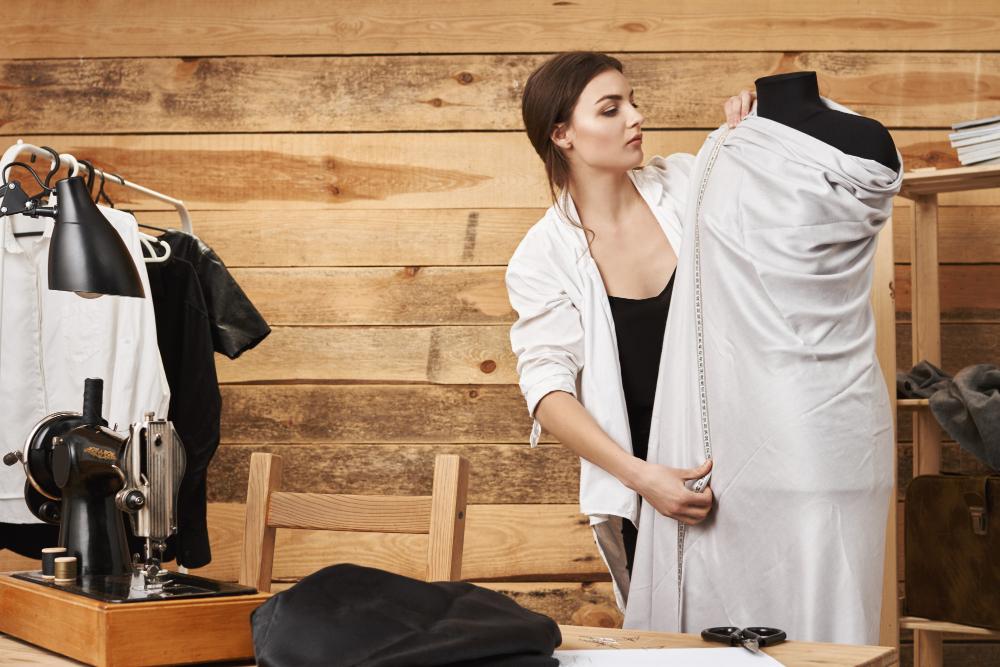
Finding the right garment manufacturer is an important step when starting or growing a clothing brand in the UK. A reliable manufacturing partner helps you maintain product quality, manage production costs, and deliver orders on time. However, choosing a manufacturer requires more than comparing prices. You need to check production capabilities, fabric quality, minimum order quantities, sampling services, and communication. Whether you run a new fashion label or an established clothing business, the right partner can support your long-term growth.
1. Understand Your Clothing Brand's Manufacturing Requirements
Before contacting garment manufacturers, define what your brand needs. Clear requirements help you shortlist suppliers who can handle your products and production volume.
Start by identifying:
-
Garment Category: Decide whether you need men's wear, women's wear, kidswear, activewear, casualwear or other clothing categories.
-
Fabric Requirements: Select suitable materials such as cotton, linen, viscose, polyester, modal or blended fabrics.
-
Order Quantity: Estimate how many pieces you need for your first production run and future orders.
-
Design Details: Prepare sketches, measurements, tech packs, size charts and reference images.
-
Product Quality: Set expectations for stitching, fabric quality, fitting, finishing and durability.
-
Packaging Requirements: Decide whether you need custom labels, tags, branded packaging or private-label services.
For example, an independent fashion designer launching a new collection may need a smaller first production run with sampling and fit approval. An established D2C brand may need higher production capacity and consistent quality across repeat orders.
Having these details ready makes discussions with manufacturers more productive.
2. Search for Garment Manufacturers With Relevant Experience
Not every garment manufacturer handles every type of clothing. Some specialise in woven garments, while others focus on knitwear, sportswear or specific fashion categories.
Look for manufacturers with experience in the products you plan to sell.
You can find potential manufacturing partners through:
-
Google searches for garment manufacturers and clothing manufacturers.
-
B2B sourcing platforms and manufacturer directories.
-
Trade exhibitions and textile industry events.
-
Business referrals from designers, sourcing professionals and apparel brands.
-
Online supplier websites and manufacturing portfolios.
If your brand plans to manufacture in India, include searches such as garment manufacturers in India for UK brands, private label clothing manufacturers in India and bulk garment manufacturers for UK clothing brands.
India can be a practical sourcing destination for UK brands looking for access to fabric suppliers, garment production and private-label manufacturing services. However, compare individual manufacturers based on their capabilities rather than assuming every supplier offers the same services.
3. Check the Manufacturer's Production Capabilities
A manufacturer may offer attractive prices but still lack the equipment, workforce or experience required for your products. Always check whether the supplier can handle your designs and expected order volume.
Ask these questions before moving forward:
-
Does the manufacturer produce woven garments, knit garments or both?
-
Can they manufacture your required clothing categories?
-
Do they support custom designs and private-label production?
-
Can they develop patterns and samples from your tech pack?
-
Do they offer fabric sourcing and material recommendations?
-
Can they handle repeat orders with consistent specifications?
-
Do they provide custom labels, tags and packaging?
Understand the difference between woven and knit manufacturing.
Woven garments include shirts, trousers, dresses, jackets and structured clothing. Knit garments include T-shirts, sweatshirts, hoodies, leggings and other stretch-based clothing.
The production process, machinery and minimum order quantities can differ between these categories. Choose a manufacturer with relevant experience in the construction and finishing your products require.
4. Compare Minimum Order Quantities Before Placing an Order
Minimum Order Quantity (MOQ) is one of the most important factors for emerging fashion brands and growing clothing businesses.
Some manufacturers accept small production runs, while others work mainly with large-volume orders. Before selecting a supplier, understand the MOQ for your specific garment style.
For Fabriclore's garment manufacturing services, the stated starting quantities are:
|
Garment Category |
Starting MOQ |
|
Woven garments |
From 100 pieces |
|
Knit garments |
From 300 pieces |
These are starting guidelines, not fixed quantities for every product. The actual MOQ depends on the garment type, design complexity, fabric, colour, production requirements and other specifications.
For example, a simple woven shirt may have different production requirements from a heavily detailed jacket. Similarly, a basic knit T-shirt may require a different setup from a customised sweatshirt.
Ask manufacturers whether they calculate MOQ per style, colour or size combination. This helps you plan your first order and avoid unexpected production costs.
5. Evaluate Fabric Quality and Fabric Wholesalers
Fabric quality directly affects the appearance, comfort, durability and overall value of your garments. Even a well-made design can fail if the fabric does not meet your brand's expectations.
Before selecting a garment manufacturer, understand where they source their fabrics and whether they work with dependable fabric wholesalers.
Check the following points:
-
Fabric Composition: Confirm the percentage of cotton, polyester, viscose, linen or other fibres.
-
Fabric GSM: Check the fabric weight and whether it suits the garment.
-
Colour Fastness: Ask how the fabric performs during washing and regular use.
-
Shrinkage: Check whether the material changes size after washing.
-
Surface Quality: Look for defects, uneven dyeing, holes or inconsistent texture.
-
Fabric Availability: Confirm whether the same fabric can be sourced again for repeat orders.
Some garment manufacturers manage fabric sourcing themselves, while others expect brands to supply the material. A partner that can coordinate fabric sourcing and garment production can make the process easier.
Fabriclore supports fabric sourcing alongside garment manufacturing, helping clothing businesses coordinate material selection and production through one platform.
6. Always Request Samples Before Bulk Production
Never approve bulk production based only on photographs, design sketches or price quotations. Request a sample first.
Sampling allows you to check whether the manufacturer can translate your design into a finished garment.
During the sampling process, review:
Fit and Measurements: Check the garment against your size chart and measurement specifications.
Stitching and Construction: Inspect seams, hems, buttons, zippers, pockets and other details.
Fabric and Colour: Confirm that the sample uses the approved material, weight and colour.
Finishing: Review thread trimming, pressing, labels and overall presentation.
Wearability: Check comfort, movement and how the garment performs when worn.
For independent designers and emerging brands, sample approval is especially important. It gives you an opportunity to correct design or fitting issues before committing to a larger order.
Share clear feedback with the manufacturer and request revisions where necessary. Approve the final sample before starting bulk production.
7. Review Quality Control and Production Processes
A reliable manufacturer should have a clear quality control process. Quality checks should happen during production, not just after the entire order is complete.
Ask the manufacturer how they inspect garments and manage production defects.
A good quality control process should cover:
-
Fabric inspection before cutting.
-
Pattern and measurement verification.
-
Cutting accuracy.
-
Stitching and construction checks.
-
Measurement checks during production.
-
Final garment inspection.
-
Finishing, labelling and packaging checks.
Also ask how the manufacturer handles defective pieces and production discrepancies.
For UK clothing brands, consistent quality matters because customers expect the same fit, fabric and finish across different orders. A manufacturer with documented quality checks can help reduce production problems and support repeat orders.
8. Compare Pricing, Payment Terms and Production Timelines
Price matters, but choosing the cheapest manufacturer does not always deliver the best value. A low quotation may exclude sampling, fabric sourcing, labels, packaging or other production costs.
Request a detailed quotation that explains:
-
Garment manufacturing cost per piece.
-
Fabric and trim costs.
-
Sampling and pattern development charges.
-
Custom labels and packaging costs.
-
Payment schedule.
-
Estimated production timeline.
-
Shipping and delivery arrangements.
Compare quotations on the same specifications. Otherwise, you may end up comparing different fabric qualities, finishing standards or service levels.
You should also confirm how the manufacturer manages delays, design changes and production updates. Clear communication helps you plan stock, launches and customer deliveries.
If you are sourcing from India for your UK brand, discuss international shipping arrangements, delivery responsibilities, customs documentation and applicable import charges before placing the order.
9. Check Communication and Long-Term Support
Good communication is essential when you work with an overseas garment manufacturer. You need a partner who understands your requirements, answers questions clearly and provides updates throughout production.
Evaluate the manufacturer's communication during the initial discussions.
Check whether they:
-
Respond to enquiries within a reasonable time.
-
Understand your tech packs and design instructions.
-
Explain production limitations clearly.
-
Share sample and bulk production updates.
-
Inform you about delays or material availability.
-
Support changes before final sample approval.
-
Maintain consistent communication for repeat orders.
A reliable manufacturing relationship should continue beyond the first order. As your brand grows, you may need additional styles, larger quantities, new fabric options and repeat production.
Choose a manufacturer who can support your changing requirements rather than focusing only on one transaction.
10. Consider Fabriclore for Garment Manufacturing From India
Fabriclore Pvt. Ltd. is an India-based fabric sourcing and garment manufacturing partner for fashion brands and clothing businesses. It supports UK brands that want to develop and manufacture garments in India.
Instead of managing separate suppliers for fabric sourcing and garment production, businesses can coordinate key requirements through Fabriclore's services.
Key services include:
-
Fabric Sourcing: Access to fabric options for different clothing categories and production requirements.
-
Woven Garment Manufacturing: Production support for shirts, dresses, trousers, jackets and other woven clothing.
-
Knit Garment Manufacturing: Production support for T-shirts, sweatshirts, hoodies and other knitwear.
-
Private-Label Production: Support for custom clothing with brand-specific labels and packaging.
-
Sampling and Fit Approval: Sample development and review before bulk production.
-
Quality Control: Inspection and quality checks during the manufacturing process.
-
Repeat Production Support: Assistance with future orders and ongoing manufacturing requirements.
-
Global Shipping: Coordination for international orders, including shipments to overseas markets.
Fabriclore's starting MOQ guidelines:
|
Production Type |
Starting MOQ |
|
Woven garments |
100 pieces |
|
Knit garments |
300 pieces |
Actual quantities vary according to garment style, design and production requirements.
For emerging UK fashion brands, independent designers and growing D2C businesses, this approach can simplify the process of sourcing fabrics and managing garment production in India.
If you are planning a new collection or looking for a manufacturing partner for bulk orders, share your garment category, tech pack, estimated quantity and fabric requirements with Fabriclore to discuss your production needs.
11. Common Mistakes to Avoid When Choosing a Garment Manufacturer
Many clothing brands face production problems because they select suppliers without checking the important details.
Avoid these common mistakes:
-
Choosing Only on Price: A low quotation does not guarantee good fabric, construction or finishing.
-
Ignoring Samples: Always check and approve a sample before bulk production.
-
Not Confirming MOQ: Understand the minimum quantity for your specific garment style.
-
Skipping Fabric Checks: Confirm fabric composition, GSM, colour and shrinkage requirements.
-
Ignoring Quality Control: Ask about inspection at different production stages.
-
Sharing Incomplete Tech Packs: Missing measurements and construction details can cause production errors.
-
Not Confirming Shipping Terms: Clarify delivery arrangements and import responsibilities before placing an order.
-
Overlooking Communication: Poor updates can create problems during sampling and bulk production.
Taking time to check these details can help you avoid unnecessary costs and build a more dependable manufacturing relationship.
Final Thoughts
Finding reliable garment manufacturers for your UK clothing brand requires careful research and clear communication. Check production capabilities, fabric quality, MOQs, sampling, quality control and international shipping arrangements before making a decision.
You should also look beyond local suppliers. Working with an experienced Indian manufacturer can give UK clothing brands access to fabric sourcing and garment production services under one manufacturing relationship.
Fabriclore Pvt. Ltd. supports woven and knit garment manufacturing, fabric sourcing, private-label production, sampling and quality control for international fashion businesses. If you are planning your next clothing collection, discuss your requirements with Fabriclore and evaluate whether its manufacturing services fit your brand's needs.
Frequently Asked Questions (FAQs)
1. How Do I Find a Reliable Garment Manufacturer for My UK Clothing Brand?
Start by researching manufacturers with experience in your garment category. Check their production capabilities, fabric sourcing, MOQ, sample development, quality control and communication. Request samples and compare detailed quotations before selecting a manufacturing partner.
2. Can UK Clothing Brands Manufacture Garments in India?
Yes. UK clothing brands can work with Indian garment manufacturers for woven clothing, knitwear and private-label production. Before placing an order, confirm sampling, production specifications, quality checks, shipping arrangements and applicable import requirements.
3. What Is the MOQ for Garment Manufacturing?
MOQ varies by manufacturer, garment category, design and production requirements. Fabriclore's starting MOQ is 100 pieces for woven garments and 300 pieces for knit garments. Actual quantities may vary depending on the style and specifications.
4. Why Should Clothing Brands Request Samples Before Bulk Production?
Samples allow brands to check fabric quality, fitting, measurements, stitching and finishing before committing to bulk production. They also help manufacturers understand the brand's requirements and make necessary corrections before production begins.
5. What Should I Check Before Choosing a Clothing Manufacturer?
Check the manufacturer's product experience, production capacity, MOQ, fabric sourcing options, sample development, quality control, pricing, payment terms and delivery arrangements. Also review how they communicate and handle repeat orders.
- Digital Agency
- Literie
- Location de voitures
- Restaurant
- Restaurant
- Mode
- Mode
- Information
- Marketing
- Tourisme
- Développement
- Découverte
- Législation
- Gastronomie
- Pâtisserie
- Event
- Art
- Causes
- Crafts
- Dance
- Drinks
- Film
- Fitness
- Food
- Games
- Gardening
- Health
- Home
- Literature
- Music
- Networking
- Other
- Party
- Religion
- Shopping
- Sports
- Theater
- Wellness
 English
 Indian
 French
 Arabic
 Spanish
 Portuguese
 Deutsch
 Turkish
 Dutch
 Italiano
 Russian
 Romaian
 Portuguese (Brazil)
 Greek
