


How Does a Rust Cleaning Laser Improve Metal Surface Restoration
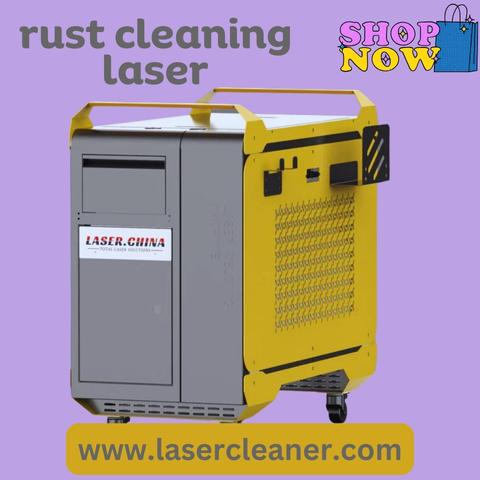
Rust is a common problem in metalworking, manufacturing, automotive industries, and industrial maintenance. When metal surfaces remain exposed to moisture, chemicals, and environmental conditions, corrosion gradually develops and affects their appearance and usability. Traditional cleaning methods often require chemicals, abrasive materials, or extensive manual effort. Modern laser technology offers another approach to metal surface preparation and restoration.
A rust cleaning laser uses concentrated laser energy to remove rust, oxidation, and unwanted surface contaminants from metal materials. This technology is becoming increasingly popular among manufacturers, workshops, and industrial cleaning professionals who need controlled and precise surface treatment.
How Does Laser Rust Cleaning Work?
Laser rust removal works by directing a focused beam of light toward a contaminated metal surface. The laser energy interacts with the rust layer, causing the unwanted material to break away or vaporize, depending on the selected settings and cleaning process.
The operator can adjust parameters such as laser power, scanning speed, frequency, and pulse duration according to the material and thickness of the rust. These settings help control the cleaning process while reducing unnecessary effects on the underlying metal.
Before starting the operation, professionals usually inspect the surface to understand the type of corrosion and material condition. Proper parameter selection is important for achieving consistent cleaning results.
Applications Across Different Industries
Laser rust cleaning technology has applications in several industrial sectors. In automotive workshops, it can be used to clean rust from vehicle frames, engine components, metal panels, and other parts before repair or refinishing.
Manufacturing facilities use laser cleaning for preparing metal components before welding, coating, painting, and assembly. Removing surface contamination helps create a cleaner working area for subsequent production processes.
In construction and infrastructure maintenance, laser cleaning equipment can be applied to metal structures, industrial machinery, pipelines, and equipment that require surface restoration. It is also useful in workshops that handle metal fabrication and maintenance projects.
Choosing the Right Laser Cleaning Equipment
Selecting suitable equipment depends on the cleaning requirements, material type, rust thickness, and working environment. Different industrial applications may require different power levels and laser configurations.
Portable handheld systems are commonly considered for workshops and maintenance tasks where operators need to move around large or irregular metal components. Higher-power industrial systems may be suitable for demanding cleaning operations and larger production environments.
When comparing equipment, buyers should review the manufacturer's technical specifications, operating requirements, cooling system, scanning options, and available after-sales support. Testing the equipment on a sample material can also help determine whether the selected configuration meets the required cleaning standards.
Operating and Safety Considerations
Laser cleaning requires proper training and a controlled working environment. Operators should follow the manufacturer's instructions and use appropriate laser safety equipment, including protective eyewear designed for the specific laser wavelength.
The cleaning area should have suitable ventilation and extraction systems because removing rust, paint, or other coatings can produce airborne particles and fumes. Access to the working area should also be controlled to protect other employees from accidental laser exposure.
Regular equipment inspection and maintenance help keep the cleaning process consistent. Operators should check optical components, cables, cooling systems, and other essential parts according to the manufacturer's maintenance schedule.
The Growing Role of Laser Technology in Metal Restoration
As industries continue to explore modern surface treatment methods, laser cleaning is gaining attention as an alternative to conventional rust removal techniques. Its applications extend from small workshop components to large industrial structures.
A professional rust cleaning laser system can support different metal preparation requirements when configured correctly. Manufacturers and industrial buyers should evaluate their specific applications before selecting equipment to ensure that the system matches their production needs.
Final Thoughts
Laser technology is changing how businesses approach metal surface cleaning and corrosion removal. With suitable equipment, trained operators, and correct operating parameters, laser cleaning can become a practical part of industrial maintenance and metal preparation workflows.
For businesses considering a rust cleaning laser, understanding the cleaning requirements, equipment specifications, and workplace safety standards is an important starting point. Choosing a reliable manufacturer and testing the system before purchase can help ensure that the equipment meets long-term operational expectations.
- Digital Agency
- Literie
- Location de voitures
- Restaurant
- Restaurant
- Mode
- Mode
- Information
- Marketing
- Tourisme
- Développement
- Découverte
- Législation
- Gastronomie
- Pâtisserie
- Evento
- Art
- Causes
- Crafts
- Dance
- Drinks
- Film
- Fitness
- Food
- Giochi
- Gardening
- Health
- Home
- Literature
- Music
- Networking
- Altre informazioni
- Party
- Religion
- Shopping
- Sports
- Theater
- Wellness
 Italiano
 Indian
 English
 French
 Arabic
 Spanish
 Portuguese
 Deutsch
 Turkish
 Dutch
 Russian
 Romaian
 Portuguese (Brazil)
 Greek
