


Small Screens, Big Possibilities: The Expanding Role Of Microdisplay Technology
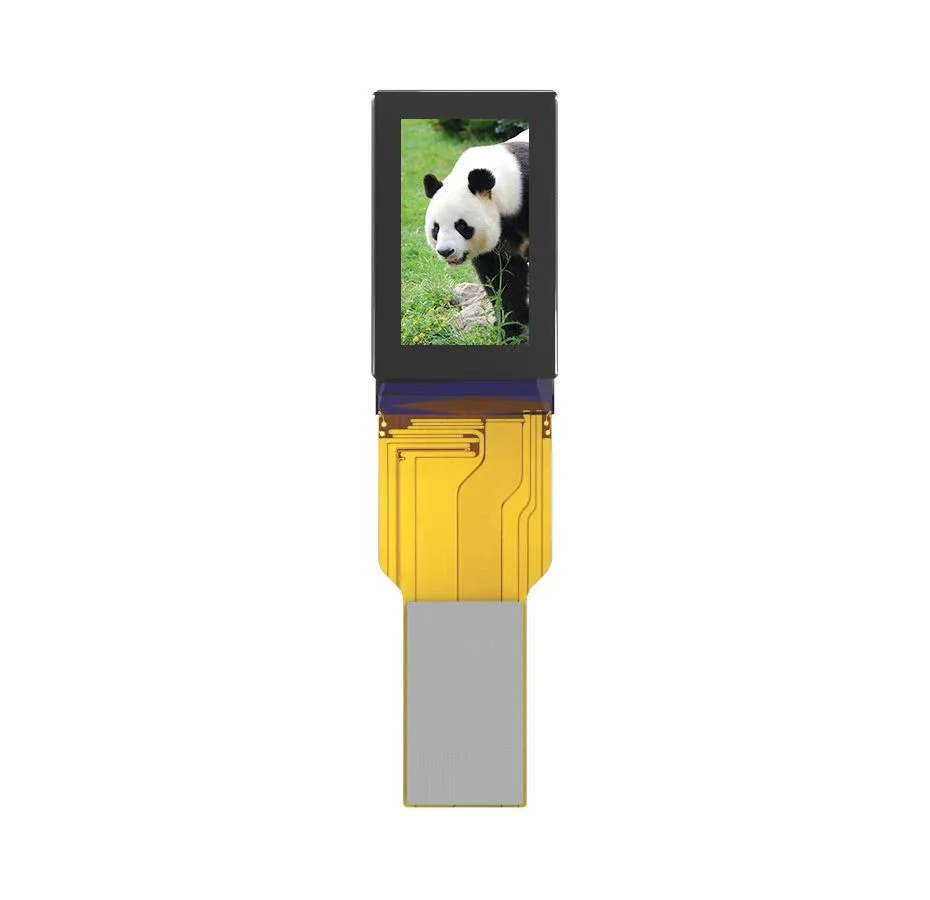
Modern electronic devices are becoming increasingly compact while offering more advanced features than ever before. Wearable technology, smart glasses, virtual reality headsets, cameras, and specialized imaging equipment all require visual components that deliver detailed information without occupying excessive space. This growing demand has made the micro display an important component in the development of next-generation electronic and optical systems.
Unlike conventional screens designed for direct viewing, microdisplays are generally intended for compact devices and specialized viewing arrangements. They can work alongside lenses, prisms, mirrors, and other optical components to produce images within a small physical area. Their miniature size makes them particularly useful in products where weight, dimensions, and optical performance must be carefully balanced.
Understanding The Technology Behind Microdisplays
A microdisplay is a miniature screen designed to present visual information in applications with limited installation space. Different display technologies can be used to manufacture these panels, including OLED, LCD, and other specialized architectures.
Each technology has its own characteristics. OLED-based microdisplays use self-emissive pixels, which can provide high contrast and deep black levels. Other display technologies may offer different advantages depending on brightness requirements, manufacturing processes, and intended applications.
The appropriate solution depends on several factors, including resolution, pixel density, brightness, power consumption, refresh rate, and physical dimensions.
Because these displays are often used with optical magnification, image quality must be evaluated within the complete viewing system rather than by looking at panel specifications alone.
Why Compact Display Dimensions Matter
Traditional screens are not always suitable for devices that need to fit close to the user's eyes or inside small electronic assemblies. Microdisplays help address this challenge by providing a viewing surface within a much smaller physical footprint.
This compact construction offers several potential advantages for product designers:
-
Smaller display assemblies can support lightweight device designs.
-
High pixel density can help reproduce detailed images within limited screen dimensions.
-
Compact panels can be integrated into specialized optical engines.
-
Reduced display size can provide greater flexibility in mechanical product design.
-
Different display technologies allow engineers to select components according to application requirements.
These characteristics make miniature displays useful in industries where conventional display panels may create limitations in size or integration.
Applications In Augmented And Virtual Reality
Augmented reality and virtual reality are among the most recognized application areas for microdisplay technology.
VR headsets use near-eye display systems to present immersive digital environments. The display must reproduce detailed images while working with optical components that direct light toward the viewer's eyes. Resolution, refresh rate, contrast, and response characteristics can all influence the viewing experience.
AR systems have different requirements because they combine digital information with the user's real-world surroundings. Depending on the architecture, microdisplays can be integrated into optical engines that project images through lenses, prisms, mirrors, or waveguide systems.
These technologies are also relevant to smart glasses, where manufacturers must balance image quality with compact dimensions, low weight, and comfortable everyday use.
Microdisplays In Cameras And Specialized Equipment
Microdisplay applications extend beyond AR and VR products. Electronic viewfinders in digital cameras use small screens to provide photographers with a real-time view of the image being captured.
Professional imaging instruments and specialized optical devices may also use miniature displays to present information through compact viewing systems. In certain industrial and technical applications, small screens help operators monitor visual data without requiring a conventional monitor.
These examples demonstrate that microdisplay technology is not limited to consumer electronics. It also supports equipment designed for specialized professional environments.
The Importance Of Optical Integration
Selecting a display is only one part of developing a successful visual system. The optical components surrounding it have a major influence on the final image.
Lenses determine how the image is magnified and directed toward the viewer. Prisms and mirrors can help fold the optical path into a smaller space, while other optical elements may be used to improve image positioning and viewing characteristics.
Engineers must consider parameters such as field of view, eye relief, exit pupil, distortion, focal distance, and optical alignment. A display with excellent specifications may still produce disappointing results if the surrounding optical system is poorly designed.
For this reason, display selection should be coordinated with optical engineering and mechanical design from the beginning of product development.
Factors To Consider When Choosing A Microdisplay
Manufacturers and product developers should compare several specifications before selecting a miniature display.
Resolution: Determines how much visual detail the panel can reproduce.
Pixel Density: Influences image sharpness, particularly in magnified near-eye systems.
Brightness: Must be suitable for the optical architecture and intended viewing environment.
Contrast Ratio: Helps distinguish bright and dark image areas.
Refresh Rate: Important for applications involving movement and interactive content.
Power Requirements: Particularly relevant to battery-powered wearable devices.
Physical Compatibility: Dimensions, electrical connections, and mounting requirements must match the target product.
Evaluating these factors together helps developers choose components that support the performance and design objectives of their projects.
Exploring The Future Of Miniature Visual Technology
As wearable electronics, immersive displays, compact imaging devices, and smart optical systems continue to evolve, miniature screens will remain an important part of product innovation. Advances in display resolution, brightness, manufacturing methods, and optical integration are creating new possibilities for smaller and more capable devices.
For businesses researching advanced display components, ARV Optical provides a useful starting point for exploring different technologies and product categories. Its micro display collection can help developers investigate miniature display options for modern optical and electronic applications.
- Digital Agency
- Literie
- Location de voitures
- Restaurant
- Restaurant
- Mode
- Mode
- Information
- Marketing
- Tourisme
- Développement
- Découverte
- Législation
- Gastronomie
- Pâtisserie
- Evento
- Art
- Causes
- Crafts
- Dance
- Drinks
- Film
- Fitness
- Food
- Giochi
- Gardening
- Health
- Home
- Literature
- Music
- Networking
- Altre informazioni
- Party
- Religion
- Shopping
- Sports
- Theater
- Wellness
 Italiano
 Indian
 English
 French
 Arabic
 Spanish
 Portuguese
 Deutsch
 Turkish
 Dutch
 Russian
 Romaian
 Portuguese (Brazil)
 Greek
