


Why Industrial Construction Projects Go Over Budget—and How to Avoid It
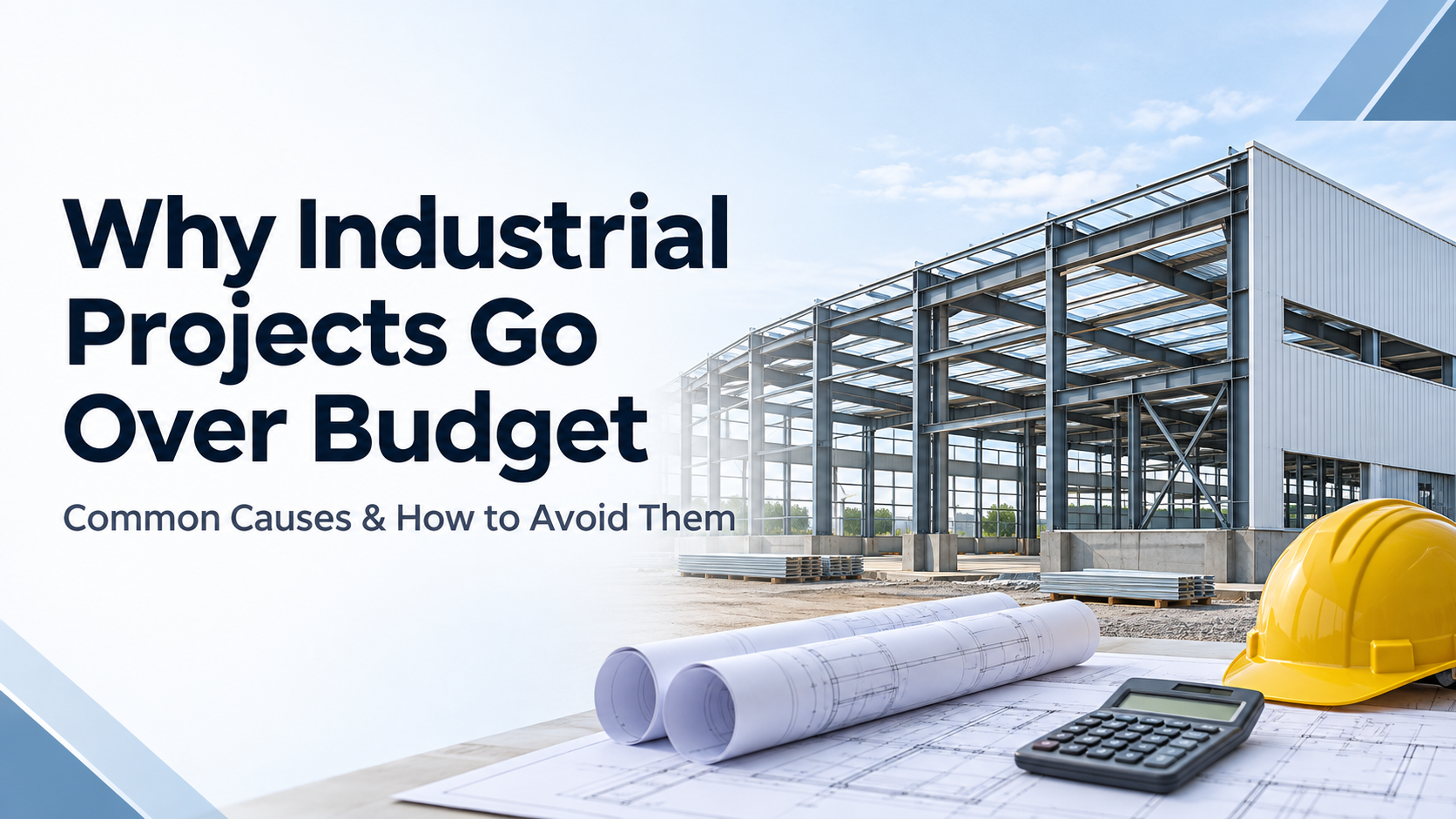
An industrial construction project can start with a reasonable estimate and still finish above budget. Unexpected site work, incomplete drawings, changing requirements, and missing quotation items can all increase expenditure. Involving structural engineering consultants in jaipur during planning helps align the building design with operational needs before major commitments are made. However, cost control also requires clear responsibilities and regular monitoring throughout construction.
1. Starting with an Incomplete Project Brief
A factory or warehouse needs more than four walls and a roof. Machinery foundations, storage systems, loading areas, ventilation, drainage, and electrical infrastructure all influence the scope. If these requirements emerge after construction begins, the team may need to revise drawings or modify completed work. Prepare a written brief covering current operations, equipment details, access requirements, and realistic expansion plans before requesting detailed estimates.
For a steel building, peb manufacturers need accurate information about spans, clear height, crane loads, openings, and proposed mezzanines. A quotation based on basic dimensions may change when these requirements become available. Share the same approved brief with every bidder so proposals can be compared fairly. Ask each supplier to identify assumptions and exclusions rather than treating an early estimate as a final project price.
2. Treating a Structural Quote as the Total Budget
The quoted price for a building frame rarely represents the entire cost of an operational facility. Excavation, foundations, industrial flooring, external development, fire provisions, utilities, and professional fees may sit outside that package. A budget that overlooks these items creates a misleading starting point. Develop a complete cost plan that separates building works, services, site development, and other project expenses. UNIDO’s industrial feasibility guidance similarly identifies site preparation and supporting works as separate cost considerations.
3. Changing the Design During Construction
Moving a column, increasing roof height, or adding a crane can affect several connected parts of the project. Even a change that appears small may require revised calculations, new materials, or alterations to work already completed. Review the layout with operations, maintenance, and equipment teams before approving construction drawings. Record later changes formally, including their cost and schedule impact, before authorising execution.
4. Leaving Responsibilities Unclear
Industrial projects involve interfaces between civil works, steel erection, electrical installations, plumbing, and equipment suppliers. When responsibilities overlap or remain undefined, necessary work may be missed or priced later as an extra. Experienced turnkey contractors can coordinate these activities, but the contract must still explain deliverables, exclusions, approval procedures, and handover conditions. A single contractor does not automatically eliminate gaps in the agreed scope.
5. Using an Unrealistic Construction Schedule
An optimistic completion date can hide practical constraints. Drawing approvals, manufacturing, delivery access, foundation readiness, and equipment availability all affect progress. Delays may extend site supervision, machinery hire, and temporary facilities. Prepare a schedule that reflects these dependencies and review it regularly. For industrial steel buildings, delivery arrangements and space for unloading and erection are recognised factors in construction planning and cost.
6. Buying Materials Without a Procurement Plan
Ordering materials too late can interrupt work, while ordering too early can create storage, handling, and damage risks. Unapproved specifications can also lead to purchases that later need replacement. Link procurement to approved drawings and the construction schedule. Confirm quantities, delivery dates, inspection requirements, and payment terms before placing orders. Where quotations have limited validity, record that clearly so purchasing decisions use current commercial information.
7. Underestimating Ground Conditions
Foundation allowances made without adequate investigation can change once excavation begins. Soil conditions, groundwater, and site levels may affect the foundation solution and associated work. Engage a qualified soil testing lab in jaipur early enough for the findings to inform structural design and budgeting. Site investigation is an established part of industrial building planning; it should support foundation decisions rather than follow them.
8. Ignoring Quality Until Handover
Poor workmanship can create costs through rework, rejected materials, leakage, or installation problems. Checking quality only at completion makes defects harder to correct. Agree on inspection stages for reinforcement, concrete, structural connections, coatings, roofing, and other relevant work. Maintain test reports and approval records. Addressing a problem before the next activity begins can prevent it from affecting several trades or delaying equipment installation.
How to Keep the Budget Under Control
Start with a realistic estimate supported by available design information, and update it as details develop. Track approved costs, committed purchases, pending variations, and remaining work separately. Keep an appropriate contingency based on identified project risks rather than assuming every uncertainty has disappeared. Assign responsibility for reviewing expenditure, and investigate emerging overruns early enough to consider practical alternatives.
Industrial construction budgets are easier to manage when decisions are made in the right sequence. Define the operational brief, investigate the site, coordinate the design, compare complete scopes, and monitor changes throughout execution. The aim is to secure a building that meets business requirements at a predictable overall cost. Careful preparation gives owners a stronger basis for controlling expenditure from planning through handover.
- Digital Agency
- Literie
- Location de voitures
- Restaurant
- Restaurant
- Mode
- Mode
- Information
- Marketing
- Tourisme
- Développement
- Découverte
- Législation
- Gastronomie
- Pâtisserie
- Evenement
- Art
- Causes
- Crafts
- Dance
- Drinks
- Film
- Fitness
- Food
- Spellen
- Gardening
- Health
- Home
- Literature
- Music
- Networking
- Overig
- Party
- Religion
- Shopping
- Sports
- Theater
- Wellness
 Dutch
 Indian
 English
 French
 Arabic
 Spanish
 Portuguese
 Deutsch
 Turkish
 Italiano
 Russian
 Romaian
 Portuguese (Brazil)
 Greek
