


What Homeowners Should Check After Heavy Rain
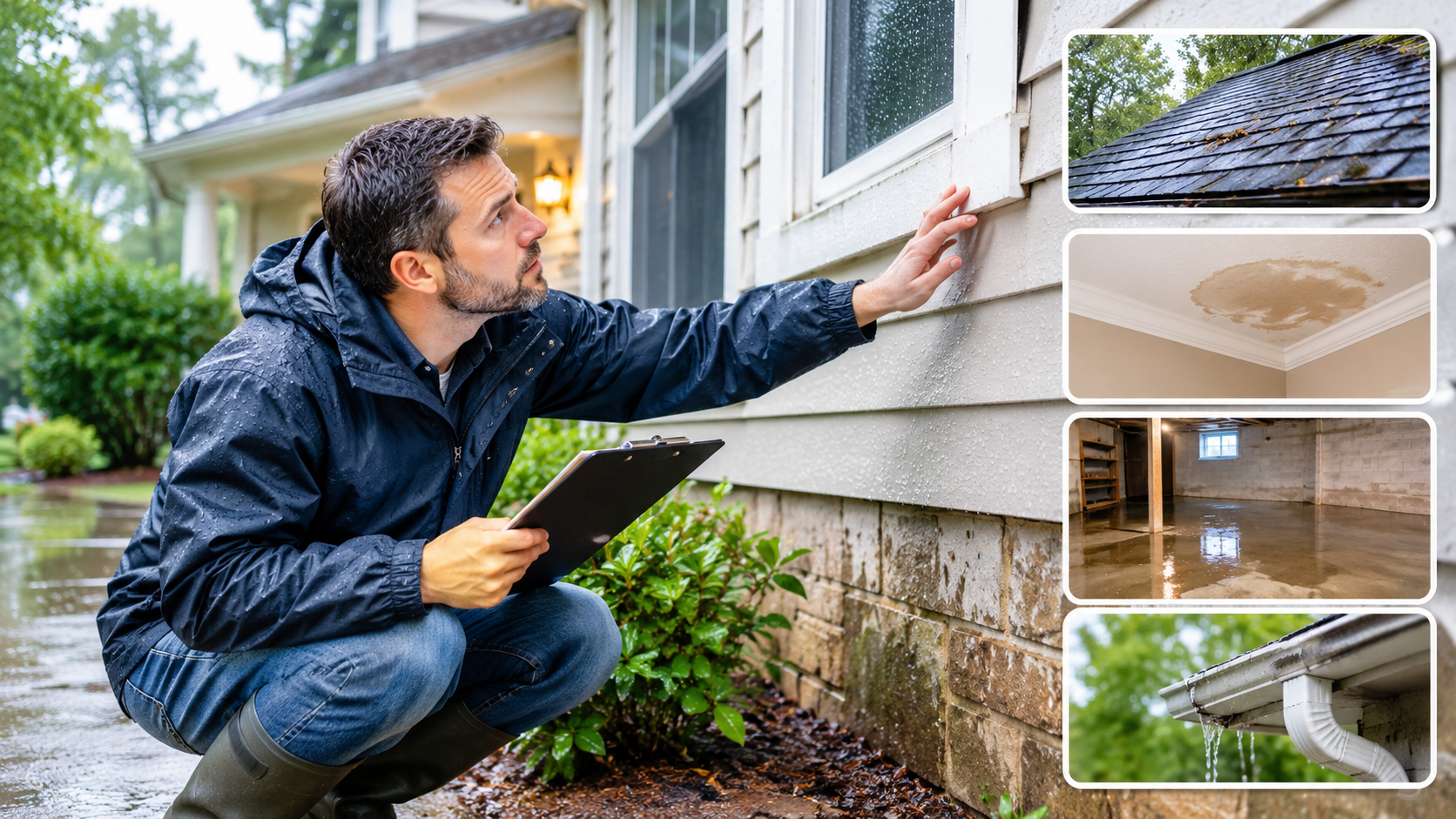
Heavy rain can put more pressure on a home than many homeowners realize. Water does not only affect roofs and gutters. It can collect around foundations, enter through small exterior openings, move beneath flooring, or remain trapped behind walls.
For homeowners in Mobile, Alabama, and other Gulf Coast communities, periods of heavy rainfall are a regular part of the weather. When rain continues for hours or drainage systems become overwhelmed, even a well-maintained property can develop moisture-related problems.
Some issues are immediately noticeable, such as standing water in the yard or a ceiling leak. Others take longer to appear. A damp smell, a small paint bubble, or a change in flooring may be an early indication that moisture has entered the home.
After a period of heavy rain, these are some areas worth checking.
1. Inspect Ceilings and Upper Walls
Start by looking at ceilings and walls, particularly on the upper floors and around roof edges.
Watch for:
-
Brown or yellow water stains
-
Peeling or bubbling paint
-
Damp patches near ceiling corners
-
Discoloration around light fixtures
-
New marks near windows or exterior walls
These changes can indicate that rainwater has entered through a roof, flashing connection, window, or another exterior opening.
A stain does not always show where the water entered. Moisture can travel along framing and other materials before becoming visible inside the home.
If you notice a damp area near electrical fixtures, avoid touching it and arrange for the situation to be assessed safely.
2. Check the Roof and Gutters From the Ground
A roof and gutter system helps direct rainwater away from the building. After heavy rainfall, look for visible changes without climbing onto the roof.
Check for:
-
Missing or lifted shingles
-
Debris collected near roof edges
-
Gutters that appear to be sagging
-
Downspouts that are disconnected
-
Water overflowing from blocked gutters
Gutters filled with leaves and debris may not carry water away efficiently. When water spills over the edge, it can repeatedly soak exterior walls, fascia boards, and the ground near the foundation.
If you suspect roof damage or cannot safely inspect an area, consider arranging a professional assessment.
3. Look for Water Collecting Around the Foundation
Walk around the outside of your property once the weather has cleared and it is safe.
Pay attention to areas where water tends to collect, especially near the foundation, patios, walkways, and low sections of the yard.
Look for:
-
Standing water close to exterior walls
-
Soil that remains unusually saturated
-
Downspouts releasing water beside the foundation
-
Erosion or channels forming in the soil
-
Water flowing toward the house instead of away from it
The ground around a home should generally direct surface water away from the foundation. Poor grading, blocked drainage, or short downspout extensions can cause water to collect in the wrong places.
Occasional wet ground after heavy rainfall may be normal. However, repeated pooling close to the home deserves attention because prolonged moisture exposure can contribute to foundation and crawl-space concerns.
4. Examine Windows and Exterior Doors
Windows and doors are common places for water to enter when seals, caulking, flashing, or surrounding materials have deteriorated.
After heavy rain, check the edges of windows and doors for:
-
Damp window sills
-
Water marks around frames
-
Peeling paint near the opening
-
Soft or swollen trim
-
Moisture on nearby interior walls
Wind-driven rain can reach areas that may remain dry during ordinary rainfall. If water repeatedly appears around the same opening, the exterior sealing and drainage details may need to be inspected.
Avoid assuming that applying new caulk will solve every leak. The actual source may involve damaged flashing, poor installation, or water moving through another part of the wall.
5. Check Floors and Baseboards for Changes
Moisture does not always appear at ceiling level. Water can enter near exterior doors, windows, plumbing connections, or lower wall openings and affect flooring.
Look for:
-
Flooring that has started to swell or lift
-
Warped laminate or wood boards
-
Loose or separating floor materials
-
Discoloration near baseboards
-
Soft areas underfoot
-
Dampness around door thresholds
Some flooring materials absorb moisture more readily than others. Even when the surface appears dry, water may remain underneath the flooring or in the subfloor.
If a floor feels unusually soft, swollen, or unstable, avoid disturbing the affected area until its condition has been assessed.
6. Look for Dampness in Crawl Spaces and Attics
Attics and crawl spaces can reveal moisture problems before they become obvious in the main living areas.
In an attic, look for water marks on framing, damp insulation, and signs of moisture around roof penetrations.
In a crawl space, watch for standing water, wet insulation, damp structural materials, or persistent musty odors.
These spaces should only be inspected when it is safe to enter. Do not crawl into areas with standing water, exposed wiring, structural concerns, or other hazards.
In humid Gulf Coast conditions, moisture management is especially important. A damp area that remains wet can create conditions for material deterioration and mold growth.
7. Pay Attention to Musty Smells
A musty smell after heavy rainfall can be an early warning sign of moisture that is not immediately visible.
The odor may be noticeable in:
-
Closets along exterior walls
-
Rooms with limited ventilation
-
Cabinets beneath sinks
-
Carpeted areas
-
Crawl spaces or storage rooms
An odor alone does not confirm water damage or mold. However, when it appears alongside damp surfaces, discoloration, or peeling materials, it is worth investigating.
Simply using air fresheners or covering the smell does not address the underlying cause. Finding and correcting the source of moisture is more important.
8. Check Plumbing and Indoor Water Sources
Not every moisture problem after a storm comes from rain entering the building.
Heavy rainfall may make existing plumbing or drainage problems more noticeable. It is also possible for an unrelated pipe leak, appliance connection, or water heater issue to occur around the same time.
Look for dampness beneath sinks, around toilets, near washing machines, and around water heaters.
If you notice unexplained moisture, consider whether it could be coming from an indoor source rather than assuming the roof or exterior wall is responsible.
Identifying the source correctly helps prevent unnecessary repairs and reduces the chance of the same problem returning.
What to Do If You Find Water Damage
If you discover moisture or water intrusion, the first priority is safety.
-
Keep away from electrical hazards. Do not touch electrical equipment or switches in wet areas. Contact a qualified professional if electrical systems may have been affected.
-
Stop the source if it is safe. For example, a leaking plumbing supply may be shut off if the valve is accessible and safe to operate.
-
Protect belongings where possible. Move items away from affected areas only if doing so does not put anyone at risk.
-
Document what you find. Take photographs and note when the issue appeared, especially if you may need to discuss it with your insurance company.
-
Arrange an assessment. A qualified professional can help identify the source, assess affected materials, and determine what drying or repair work may be needed.
Do not ignore wet materials simply because the visible water has disappeared. Moisture can remain inside wall cavities, under flooring, or within insulation.
Why Checking After Heavy Rain Matters in Mobile
Mobile and the surrounding Gulf Coast region experience periods of heavy rainfall, high humidity, and tropical weather. These conditions make it important for homeowners to pay attention to drainage, exterior openings, roof conditions, and indoor moisture.
A home may appear completely dry after a storm while water remains trapped in a less visible area. If the source is not identified, the problem can continue or become more extensive over time.
Regular checks after significant rainfall can help homeowners recognize changes early. They also provide a clearer picture of whether a concern is related to routine maintenance, a roof or drainage issue, or water intrusion that needs professional attention.
Frequently Asked Questions
Should I inspect my home after every heavy rain?
A quick visual check is useful after significant rainfall, particularly if the area has experienced strong winds, flooding, or prolonged storms. Pay attention to recurring problem areas around the roof, windows, gutters, and foundation.
How long should I wait before checking for water damage?
You can look for visible signs once conditions are safe. Some moisture problems appear during rainfall, while others become noticeable over the following days. Continue to watch areas that have experienced leaks or dampness.
Can water enter a home even when the roof looks fine?
Yes. Water can enter through windows, doors, damaged flashing, exterior wall openings, plumbing connections, or drainage problems. The roof is only one possible source.
Does a damp smell always mean mold is present?
No. A musty smell may indicate moisture, but it does not confirm mold. Look for the source of dampness and have suspected problems assessed appropriately.
Can water damage occur without standing water?
Yes. Small leaks and moisture intrusion can affect insulation, flooring, drywall, and other materials without leaving visible pools of water.
Final Thoughts
Heavy rainfall is a good reminder to check the parts of a home that are often overlooked. Gutters, foundation drainage, windows, flooring, attic spaces, and interior walls can all provide clues about how well a property is handling water.
Not every wet area indicates serious damage, but repeated moisture, unexplained odors, and changes in building materials should not be ignored. Finding the source and understanding the extent of the problem are important first steps in protecting a home.
- Digital Agency
- Literie
- Location de voitures
- Restaurant
- Restaurant
- Mode
- Mode
- Information
- Marketing
- Tourisme
- Développement
- Découverte
- Législation
- Gastronomie
- Pâtisserie
- Event
- Art
- Causes
- Crafts
- Dance
- Drinks
- Film
- Fitness
- Food
- Games
- Gardening
- Health
- Home
- Literature
- Music
- Networking
- Other
- Party
- Religion
- Shopping
- Sports
- Theater
- Wellness
 English
 Indian
 French
 Arabic
 Spanish
 Portuguese
 Deutsch
 Turkish
 Dutch
 Italiano
 Russian
 Romaian
 Portuguese (Brazil)
 Greek
