


Safe Support When Lying Face-Down: Understanding Prone Position Gel Pads
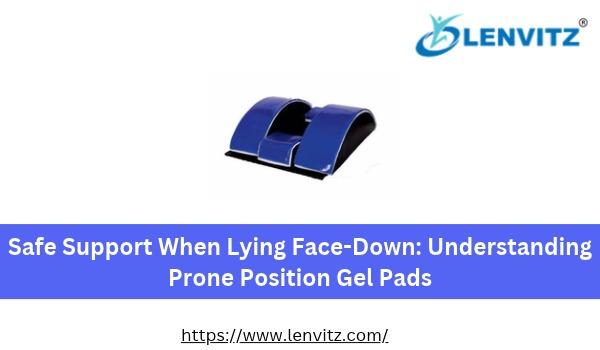
Most people picture surgery as lying flat on their back, looking up at bright operating room lights. However, many common procedures—such as spine surgery, kidney operations, and certain neurosurgeries—require the patient to lie completely face-down on the operating table. In medical terms, this posture is known as the Prone Position. While it gives surgeons vital access to the back of the body, staying face-down under anesthesia requires specialized cushioning, led by prone position gel pads, to keep the patient safe from head to toe.
Why the Prone Position Requires Extra Care
When you sleep on your stomach at home, your body naturally shifts whenever a joint feels stiff or an arm falls asleep. Under general anesthesia, those natural reflexes turn off. Gravity presses the entire weight of the body onto delicate areas that are not built to bear heavy loads for hours—such as the forehead, cheekbones, chest, hips, knees, and toes.
Without proper support, lying face-down can restrict breathing, block healthy blood circulation, or cause painful pressure injuries on the skin. Surgical teams solve these challenges by building a protective, contoured cushion system across the operating table before the procedure even begins.
Essential Gear for Face-Down Surgical Safety
To make the Prone Position as safe and comfortable as possible, operating rooms rely on medical-grade viscoelastic silicone cushions designed to mimic the softness of human tissue.
1. Supporting the Face and Airway with a Prone Head Rest
Protecting the head and neck is the highest priority when a patient is face-down. A specialized prone head rest is contoured with soft, supportive cutouts that cradle the forehead and chin while leaving open spaces for the eyes, nose, and mouth.
This thoughtful design prevents dangerous pressure on the eyes, keeps the neck aligned with the spine, and gives anesthesiologists clear access to breathing tubes throughout the operation.
2. Full-Body Cushioning with an OT Table Mat
Before any specialized bolsters or blocks are placed, the foundation of the operating table starts with a high-density ot table mat. Covering the hard surface of the surgical table, this flexible silicone layer absorbs shock, prevents the patient from slipping if the table tilts, and reduces shear friction on the skin. It acts as a reliable base layer that distributes weight evenly across the entire length of the body.
3. Targeted Relief with Prone Position Gel Pads
Alongside head supports and table mats, surgical teams place contoured prone position gel pads under key pressure zones:
-
Chest and Pelvic Bolsters: Placed vertically along the sides of the torso to lift the chest and abdomen slightly off the table, allowing the lungs to expand freely during breathing.
-
Arm and Elbow Cradles: Keep the arms resting in a natural, relaxed angle to prevent nerve pinching in the shoulders and elbows.
-
Knee and Shin Pads: Cushion the kneecaps and elevate the toes so the feet do not press against the hard table surface.
Peace of Mind Before Your Procedure
Hearing that you will be placed face-down for surgery can sound intimidating, especially if you already deal with back or neck discomfort. Knowing that dedicated prone position gel pads, a contoured prone head rest, and a supportive ot table mat are working together beneath you offers real reassurance. Behind every successful operation is a surgical team focused not only on the procedure itself, but on protecting every inch of your body while you rest.
- Digital Agency
- Literie
- Location de voitures
- Restaurant
- Restaurant
- Mode
- Mode
- Information
- Marketing
- Tourisme
- Développement
- Découverte
- Législation
- Gastronomie
- Pâtisserie
- Evento
- Art
- Causes
- Crafts
- Dance
- Drinks
- Film
- Fitness
- Food
- Jogos
- Gardening
- Health
- Início
- Literature
- Music
- Networking
- Outro
- Party
- Religion
- Shopping
- Sports
- Theater
- Wellness
 Portuguese (Brazil)
 Indian
 English
 French
 Arabic
 Spanish
 Portuguese
 Deutsch
 Turkish
 Dutch
 Italiano
 Russian
 Romaian
 Greek
