


Laser Rust Remover: Advanced Technology for Efficient Metal Surface Cleaning
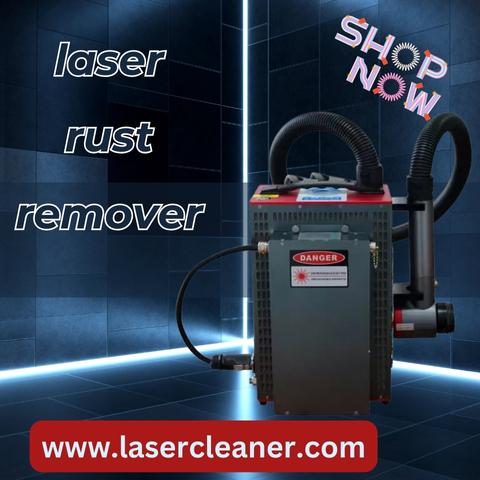
Rust is a common problem in industries that work with metal components, machinery, automotive parts, and industrial equipment. Over time, exposure to moisture, oxygen, and environmental conditions causes metal surfaces to develop corrosion. Traditional rust removal methods often require chemicals, abrasive materials, or intensive manual labor. Modern laser technology offers a more advanced solution for removing rust while maintaining the original condition of metal surfaces.
A laser rust remover is an innovative cleaning system designed to eliminate rust, oxidation, paint, and other unwanted contaminants from metal surfaces. It uses concentrated laser energy to remove unwanted layers without relying on chemical cleaning agents or abrasive blasting materials.
How Does Laser Rust Removal Work?
Laser rust removal works by directing a controlled laser beam onto a contaminated metal surface. When the laser energy interacts with rust, it heats and separates the unwanted layer from the underlying material. The removed particles can then be collected through an appropriate extraction system.
The process is commonly known as laser ablation. Its effectiveness depends on laser power, pulse frequency, scanning speed, material type, and the thickness of the rust layer.
Operators can adjust the machine settings according to different cleaning requirements. This makes the technology suitable for light surface oxidation as well as more challenging industrial cleaning applications.
Industrial Applications of Laser Rust Removal
Laser cleaning technology is becoming increasingly popular across different industries because metal preparation is an important part of manufacturing and maintenance.
In the automotive industry, it is used to clean vehicle frames, engine components, metal panels, and automotive tools. Removing rust before welding or coating helps prepare surfaces for further processing.
In manufacturing facilities, laser cleaning systems are used to remove corrosion from metal molds, industrial equipment, machine components, and production tools. Regular cleaning can also help maintain equipment in suitable working condition.
The technology is also useful in shipbuilding, construction, aerospace, and metal fabrication. These industries frequently deal with large metal structures that require proper surface preparation before painting, welding, or restoration.
Choosing the Right Laser Rust Remover
Selecting suitable equipment requires understanding the specific cleaning requirements of your business. Different applications may require different laser power levels and operating configurations.
For example, light rust removal from small metal components may require a different machine configuration than cleaning heavily corroded industrial structures. Businesses should consider the type of metal, rust thickness, cleaning area, and expected working hours before purchasing equipment.
Portable systems are suitable for maintenance operations and cleaning large structures in different locations. Industrial machines may be more appropriate for factories that require continuous cleaning operations.
It is also important to evaluate the machine's control system, cooling arrangement, scanning head, safety features, and technical support. Proper operator training and suitable laser protection equipment are essential for safe operation.
Laser Rust Removal Compared with Traditional Methods
Traditional rust removal methods include sandblasting, grinding, wire brushing, and chemical treatment. Although these methods are widely used, they may involve additional consumables, surface preparation, waste management, and cleaning procedures.
Laser cleaning provides a different approach by using controlled light energy instead of direct abrasive contact. It can reduce the need for chemical agents and abrasive materials in suitable applications.
However, the correct cleaning parameters must be selected to prevent unwanted changes to the base material. Testing the process on a small area before full-scale operation is a practical step for achieving consistent results.
Why Businesses Are Investing in Laser Cleaning Equipment
As industrial production continues to develop, manufacturers are looking for modern solutions that support efficient maintenance and surface preparation.
A professional laser rust remover can help businesses improve their metal cleaning processes while reducing dependence on conventional cleaning materials. Its applications across manufacturing, automotive maintenance, construction, and restoration make it a valuable option for companies working with metal surfaces.
Businesses should compare equipment specifications, cleaning performance, warranty coverage, and supplier experience before making an investment. Choosing a reliable manufacturer can also provide access to technical guidance, operator training, and after-sales assistance.
Final Thoughts
Laser cleaning technology is changing how industries approach rust removal and metal surface preparation. With controlled laser energy and adjustable operating parameters, businesses can handle various corrosion-related cleaning tasks with greater precision.
Whether you operate a manufacturing facility, automotive workshop, or metal fabrication business, investing in suitable laser cleaning equipment can support modern industrial cleaning requirements. A high-quality laser rust remover offers a practical solution for companies seeking to improve their surface treatment processes and prepare metal components for the next stage of production.
- Digital Agency
- Literie
- Location de voitures
- Restaurant
- Restaurant
- Mode
- Mode
- Information
- Marketing
- Tourisme
- Développement
- Découverte
- Législation
- Gastronomie
- Pâtisserie
- Evento
- Art
- Causes
- Crafts
- Dance
- Drinks
- Film
- Fitness
- Food
- Jogos
- Gardening
- Health
- Início
- Literature
- Music
- Networking
- Outro
- Party
- Religion
- Shopping
- Sports
- Theater
- Wellness
 Portuguese (Brazil)
 Indian
 English
 French
 Arabic
 Spanish
 Portuguese
 Deutsch
 Turkish
 Dutch
 Italiano
 Russian
 Romaian
 Greek
