


What Causes Water Entry and Moisture Damage in Tank Level Sensors?
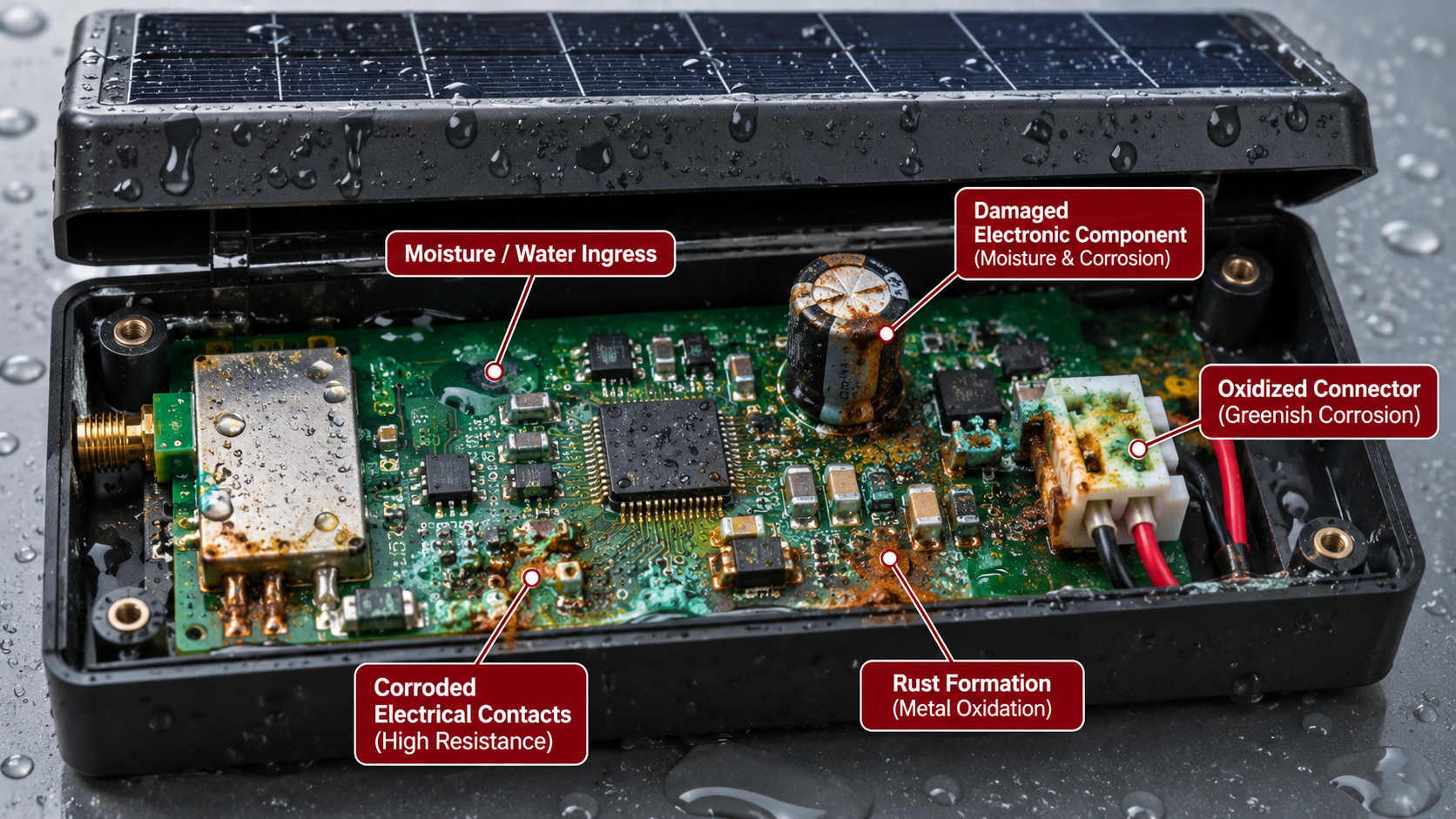
Tank-level monitoring systems play an important role in managing water storage across residential buildings, commercial facilities, manufacturing plants, industrial units, and water treatment facilities. These systems help operators monitor water availability, prevent unexpected shortages, and maintain efficient water management.
However, one common challenge that can affect monitoring reliability is water entry and moisture damage in sensor equipment.
A tank level sensor is often installed in environments exposed to humidity, rainwater, splashing, temperature variations, and other environmental conditions. Although many sensors are designed with protective enclosures, improper installation, damaged seals, unsuitable cable glands, and internal condensation can allow moisture to reach sensitive components.
When water enters the electronic enclosure or electrical connections, it can cause corrosion, unstable readings, communication interruptions, and premature equipment failure.
But does every moisture-related problem mean that the sensor needs replacement? Not necessarily. The actual impact depends on where moisture enters, how long the equipment is exposed, and whether the affected components are designed to tolerate contact with water.
Understanding the causes of water ingress is essential for protecting a Water tank level sensor, maintaining reliable monitoring, and reducing equipment maintenance costs.
This becomes particularly important in Multi-Tank Monitoring environments, where several sensors may be installed across different locations. Solutions such as MyTank Monitoring support remote water-level visibility, but proper sensor installation and environmental protection remain essential for dependable operation.
What Is Water Ingress in a Tank Level Sensor?
Water ingress refers to the unwanted entry of water or moisture into equipment that should remain protected from external liquids.
In a tank level sensor, moisture may enter through enclosure openings, cable glands, connectors, damaged seals, or improperly protected electrical connections.
It is important to distinguish between two different conditions:
Direct water ingress: Water enters the sensor's electronic enclosure or electrical compartment through an opening, damaged seal, cable entry, or other vulnerable area.
Internal condensation: Moisture forms inside an enclosure when humid air comes into contact with surfaces that have cooled below the air's dew point.
Both conditions can affect sensor reliability, but they require different preventive measures.
Some sensors are specifically designed to operate while submerged in water. In these devices, the wetted sensing element and cable construction are designed for the intended application. However, their electrical termination points and sensitive electronic components may still require protection.
Which Components Are Most Vulnerable to Moisture?
The following components may be affected when water enters an inadequately protected sensor assembly:
-
Electronic enclosure: Houses circuit boards, processing components, and other sensitive electronics.
-
Cable glands: Protect cable entry points and maintain enclosure sealing.
-
Electrical connectors: Provide connections for power and signal transmission.
-
Terminal compartments: Contain wiring connections that may be vulnerable to corrosion.
-
Seals and gaskets: Prevent external water from entering the enclosure.
-
Sensor cables: Can become pathways for moisture when damaged or improperly terminated.
-
Pressure-sensor vent tubes: In applicable hydrostatic sensors, moisture inside the atmospheric reference path can interfere with measurement.
Identifying the affected component is the first step toward understanding the actual cause of moisture damage.
What Causes Water Entry and Moisture Damage in Tank Level Sensors?
Several installation, environmental, and maintenance-related factors can contribute to water ingress.
Damaged or Improperly Installed Cable Glands
Cable glands are designed to secure cables and protect enclosure entry points from moisture, dust, and other environmental contaminants.
However, incorrectly installed or damaged cable glands can create openings through which water enters the sensor enclosure.
Common problems include:
-
Incorrect cable gland size.
-
Loose gland fittings.
-
Damaged sealing rings.
-
Improper tightening.
-
Cable diameters outside the gland's specified range.
-
Incorrect gland selection for the installation environment.
For example, when a cable is smaller than the specified sealing range, the gland may not compress properly around its outer jacket. This can create a pathway for rainwater or moisture to enter the electrical compartment.
How to prevent it:
Select cable glands compatible with the cable diameter and enclosure requirements. Ensure that sealing components are correctly positioned and fittings are tightened according to the manufacturer's instructions.
For outdoor installations, cable routing should also prevent rainwater from flowing directly toward the cable entry.
Worn-Out Enclosure Seals and Gaskets
Enclosure seals and gaskets help protect electronic components from external water and environmental contamination.
Over time, these sealing components may deteriorate due to:
-
Continuous exposure to sunlight.
-
High and low temperature cycles.
-
Chemical exposure.
-
Mechanical stress.
-
Improper maintenance.
-
Repeated opening and closing of the enclosure.
A damaged, displaced, or hardened gasket may no longer provide adequate sealing.
Even a small gap around an enclosure cover can allow moisture to enter during heavy rainfall or equipment washdown.
How to prevent it:
Inspect enclosure seals periodically. Replace damaged or deteriorated gaskets with compatible components recommended by the manufacturer.
Before closing the enclosure, ensure that the sealing surface is clean and free from dust, debris, and other contaminants that could prevent proper contact.
Internal Condensation Caused by Temperature Changes
Not all moisture inside a sensor enclosure enters from outside as liquid water.
Internal condensation is another important cause of moisture-related problems.
When humid air is present inside an enclosure, temperature changes can cause water vapor to condense on cooler internal surfaces.
This commonly occurs in outdoor installations where equipment experiences:
-
Hot daytime temperatures.
-
Cooler nighttime temperatures.
-
High ambient humidity.
-
Frequent temperature fluctuations.
-
Repeated heating and cooling cycles.
Over time, accumulated condensation may affect electrical terminals, circuit boards, and connectors.
How to prevent it:
Select equipment designed for the installation's environmental conditions. Follow manufacturer recommendations for enclosure ventilation, condensation management, and approved moisture-control accessories.
Where appropriate, suitable protective enclosures, drainage arrangements, or approved desiccant solutions may help manage moisture.
Simply making an enclosure airtight is not always sufficient because humid air can already be trapped inside before the enclosure is closed.
Direct Rainwater and Water Splash Exposure
Outdoor tank installations often expose sensors to rainfall, splashing, and water runoff.
If the sensor is mounted in an exposed position, water may accumulate around enclosure covers, connectors, and cable entry points.
The risk can increase when:
-
Sensors are installed without suitable weather protection.
-
Cable entries face upward.
-
Rainwater collects around enclosure joints.
-
Equipment is exposed to repeated washdown.
-
Protective covers are incorrectly installed.
For example, a sensor mounted on top of an outdoor storage tank may experience repeated rainfall. If its enclosure sealing is compromised, moisture can gradually enter the electronic compartment.
How to prevent it:
Select an appropriate installation position and ensure that the equipment's ingress protection rating matches the expected exposure.
Where suitable, use protective covers and route cables downward before they enter the enclosure to create a drip loop.
A drip loop allows water running along the cable to fall away before reaching the cable gland. It is an additional protective measure, not a replacement for proper sealing.
Damaged Sensor Cables and Electrical Connectors
Sensor cables are exposed to environmental and mechanical stress throughout their operating life.
Cable insulation can become damaged because of:
-
Abrasion.
-
Repeated bending.
-
Mechanical vibration.
-
UV exposure.
-
Chemical contact.
-
Improper installation.
-
Accidental impact.
If the outer cable jacket becomes damaged, moisture may enter the cable or reach electrical connections.
For certain submersible hydrostatic level probes, moisture can also migrate through an inadequately protected cable termination. These devices may have vented cables that require a dry, protected atmospheric reference termination.
How to prevent it:
Inspect cables and connectors regularly. Replace damaged cables using manufacturer-approved components.
For submersible pressure-based sensors, protect the cable termination and keep the atmospheric vent path dry and unobstructed according to the manufacturer's installation requirements.
Avoid unnecessary cable joints in locations exposed to standing water or continuous humidity.
Incorrect IP Protection Rating
Ingress Protection (IP) ratings describe the level of protection an enclosure provides against solid particles and water under specified test conditions.
Choosing a sensor with an unsuitable IP rating can increase the risk of moisture damage.
For example, a device designed for limited indoor exposure may not be suitable for an installation exposed to heavy rain, water jets, or temporary immersion.
An IP rating generally consists of two digits:
-
First digit: Indicates protection against access to hazardous parts and solid foreign objects, including dust.
-
Second digit: Indicates protection against water ingress under specified test conditions.
Common examples include:
|
IP rating |
General protection |
|
IP65 |
Dust-tight and protected against water jets under specified test conditions |
|
IP66 |
Dust-tight and protected against powerful water jets under specified test conditions |
|
IP67 |
Dust-tight and protected against temporary immersion under specified test conditions |
|
IP68 |
Dust-tight and suitable for immersion under conditions specified by the manufacturer |
An important point is that an IP rating does not guarantee that every installation will remain moisture-free.
Cable glands, connectors, enclosure covers, and unused entry points must all be installed correctly to maintain the intended protection.
How to prevent it:
Choose a Water tank level sensor with an ingress protection rating suitable for the actual installation environment.
Check the protection rating of the complete assembled device, including its connectors and cable entries, rather than considering the enclosure alone.
Corrosion and Unsuitable Material Selection
Corrosion can weaken electrical connections, enclosure components, and mechanical sealing surfaces.
Industrial environments may expose sensors to chemicals, salts, wastewater, cleaning agents, and corrosive vapors.
When unsuitable materials are selected, prolonged exposure can cause:
-
Corrosion of metal connectors.
-
Deterioration of electrical terminals.
-
Damage to enclosure surfaces.
-
Degradation of sealing components.
-
Reduced mechanical integrity.
Moisture can accelerate corrosion, particularly when contaminants are present.
How to prevent it:
Select enclosure, connector, cable, and sealing materials according to the chemical and environmental conditions of the installation.
Use compatible materials and inspect exposed components for early signs of corrosion.
Improper Installation and Maintenance Practices
Even a well-designed sensor can experience water ingress if installation and maintenance procedures are not followed correctly.
Common installation mistakes include:
-
Leaving unused cable entries open.
-
Incorrectly closing enclosure covers.
-
Using incompatible sealing materials.
-
Routing cables without drip loops.
-
Installing sensors in locations exposed to direct water accumulation.
-
Damaging gaskets during maintenance.
-
Leaving electrical compartments open during wet weather.
Maintenance work can also introduce moisture when equipment is opened in humid or rainy conditions.
How to prevent it:
Follow the manufacturer's installation and maintenance instructions. Ensure that enclosure covers, cable glands, connectors, and sealing plugs are correctly installed after every maintenance activity.
Avoid opening sensitive electrical compartments in wet conditions unless appropriate protective procedures are in place.
What Are the Warning Signs of Moisture Damage in a Tank Level Sensor?
Moisture damage does not always become visible immediately. In some cases, the first indication is a change in measurement performance or communication reliability.
Recognizing the warning signs early can help prevent further equipment damage.
Common symptoms include:
Unstable or Fluctuating Readings
The sensor may display sudden changes even when the actual water level remains relatively stable.
Moisture-related electrical problems can affect signal integrity and electronic operation.
However, fluctuating readings can also result from turbulence, foam, incorrect installation, or other measurement-related issues.
Missing or Delayed Measurements
If moisture affects communication components or electrical connections, the sensor may stop transmitting data consistently.
This can result in missing dashboard updates or delayed readings.
Corrosion on Electrical Connections
Visible corrosion, discoloration, or deposits around terminals and connectors may indicate moisture exposure.
Corroded connections can increase electrical resistance and cause unreliable signals.
Unexpected Device Resets
Moisture-related short circuits or unstable power connections may cause some devices to reset unexpectedly.
Repeated resets should be investigated rather than treated as normal operating behavior.
Visible Water Droplets Inside the Enclosure
Water droplets, fogging, or moisture deposits inside an electronic enclosure should be treated as warning signs.
The equipment should be inspected according to the manufacturer's safety and maintenance procedures.
Complete Sensor Failure
Prolonged water exposure can damage sensitive electronic components and eventually cause permanent equipment failure.
The severity depends on the affected components, exposure duration, and the sensor's design.
How Does Moisture Damage Affect Different Types of Tank Level Sensors?
Different measurement technologies have different moisture protection requirements.
Understanding these differences helps operators select and maintain the right equipment.
Radar Level Sensors
Radar sensors use electromagnetic waves to measure the distance between the sensor and the water surface.
The sensing antenna is exposed to the tank's internal environment, while the electronic components are protected inside the instrument enclosure.
Moisture entering the electronics compartment can damage circuit boards, terminals, and communication components.
However, condensation on the process-side antenna is a separate condition and does not automatically mean that water has entered the electronic enclosure.
Heavy condensation or buildup may still affect measurement performance by weakening or distorting the received signal.
Ultrasonic Level Sensors
Ultrasonic sensors use sound waves to determine the distance to the liquid surface.
These sensors are commonly installed above the tank and may be exposed to humidity, condensation, and water splashing.
Moisture on the transducer surface can interfere with ultrasonic transmission and reception.
Water entering the electronic enclosure can also damage internal components.
Hydrostatic and Submersible Pressure Sensors
Hydrostatic level sensors measure liquid pressure to estimate the water level.
Some models are specifically designed to operate while submerged.
Their sensing elements and cables must be suitable for the intended immersion conditions.
However, vented hydrostatic sensors require special attention because their atmospheric reference path must remain dry and unobstructed.
If moisture enters the vent tube, the sensor may produce inaccurate or drifting measurements.
Float-Based Level Sensors
Float-based sensors use a moving float to detect or indicate liquid levels.
Although some designs are suitable for direct water exposure, their electrical connections, switches, and control compartments may still require appropriate environmental protection.
Moisture can also contribute to corrosion or mechanical deterioration in unsuitable designs.
The key lesson is that a sensor's ability to operate in contact with water does not mean that every part of its electrical assembly can tolerate water exposure.
How to Inspect and Troubleshoot a Water-Damaged Tank Level Sensor
When moisture is suspected, the first priority should be electrical safety.
Do not open or handle energized electrical equipment in wet conditions. Follow site isolation procedures and the manufacturer's instructions. Hazardous-area instruments require additional precautions and qualified personnel.
The following steps provide a systematic inspection approach.
Step 1: Identify the Location of Moisture
Determine whether moisture is present:
-
Inside the electronic enclosure.
-
Around the terminal compartment.
-
Near the cable gland.
-
Inside a connector.
-
On the process-side antenna.
-
Within a hydrostatic sensor's vent path.
Identifying the location helps determine the likely entry path and severity.
Step 2: Inspect Enclosure Seals and Cable Glands
Check for loose fittings, damaged gaskets, cracked sealing components, and improperly closed covers.
Verify that unused cable entries are closed with suitable sealing plugs.
Step 3: Examine Cables and Connectors
Inspect the cable jacket for cuts, cracks, abrasion, and other physical damage.
Check connectors and terminal areas for corrosion, deposits, or signs of water accumulation.
Step 4: Assess the Electronic Components
If moisture has reached the circuit board or electronic module, the equipment requires appropriate technical inspection.
Do not assume that drying the enclosure automatically restores its original reliability.
Corrosion, contamination, and electrical damage may remain even after visible water has disappeared.
Step 5: Correct the Actual Water Entry Path
Identify whether the problem originated from a damaged gasket, cable gland, connector, enclosure opening, or condensation.
Replace or repair affected components using compatible manufacturer-approved parts.
Simply drying the enclosure without correcting the entry path may allow the problem to return.
Step 6: Verify Sensor Operation Before Recommissioning
After inspection and corrective work, qualified personnel should verify the sensor's power supply, measurement output, communication, and diagnostic status.
Confirm that the reported level corresponds to the actual tank condition before returning the equipment to normal service.
If electronic modules, critical seals, or hazardous-area components have been damaged, follow the manufacturer's repair or replacement procedure.
Best Practices to Prevent Water Entry and Moisture Damage
Preventive maintenance and correct installation are essential for maintaining long-term sensor reliability.
The following practices can reduce the risk of moisture-related equipment problems.
Select Sensors with Suitable Environmental Protection
Choose a Water tank level sensor designed for the actual operating environment.
Consider rainfall, humidity, washdown exposure, possible flooding, temperature variations, and the required ingress protection rating.
Use Compatible Cable Glands and Sealing Plugs
Cable glands should match the cable diameter and enclosure requirements.
Unused entry points should be sealed with suitable plugs that maintain the required protection level.
Create Proper Cable Drip Loops
Route outdoor cables downward before they enter the enclosure.
This helps prevent rainwater from running directly along the cable toward the electrical connection.
Protect Electrical Connectors
Use connectors and junction boxes suitable for the installation environment.
Ensure that connection points are properly sealed and protected against standing water.
Inspect Seals and Gaskets Periodically
Check enclosure covers, gaskets, cable glands, and sealing surfaces during scheduled maintenance.
Replace damaged components before they lead to water ingress.
Manage Internal Condensation
Where temperature variations and humidity create condensation risks, use manufacturer-approved moisture-management solutions.
Avoid introducing unapproved ventilation openings that could compromise the enclosure's protection.
Follow Manufacturer Installation Instructions
Every sensor has specific mounting, cable routing, electrical connection, and environmental requirements.
Following the product documentation helps maintain the intended protection level and measurement performance.
Why Moisture Protection Matters in Multi-Tank Monitoring
Many commercial and industrial facilities manage multiple water storage tanks across different buildings, floors, or operating locations.
In these environments, Multi-Tank Monitoring helps operators view water availability across several storage points through a centralized monitoring arrangement.
However, the reliability of a multi-tank system depends on the condition of every installed sensor.
If one sensor experiences moisture damage, its readings may become inaccurate or disappear from the monitoring platform.
This can create several operational challenges:
-
Incomplete visibility of water storage.
-
Delayed identification of sensor faults.
-
Incorrect decisions based on outdated readings.
-
Additional maintenance visits.
-
Difficulty identifying which monitoring location requires attention.
For example, a commercial facility may monitor water levels across several overhead and underground tanks. If one sensor develops moisture-related damage, operators may receive incomplete information about the overall water supply.
A systematic maintenance approach can help reduce these risks.
Important practices for Multi-Tank Monitoring include:
-
Standardizing sensor installation procedures.
-
Selecting appropriate environmental protection for each location.
-
Maintaining records of sensor inspections.
-
Monitoring device communication status.
-
Reviewing unusual readings and missing updates.
-
Replacing damaged seals and cables promptly.
Combining reliable hardware with centralized monitoring improves visibility and helps maintenance teams manage multiple storage locations more effectively.
How MyTank Monitoring Supports Connected Water Management
Managing water storage efficiently requires dependable tank-level information and convenient access to monitoring data.
MyTank Monitoring supports connected water management through its IoT-based tank-level monitoring solutions.
Its UltraLevel Pro 2.0 uses non-contact radar technology to measure water levels without requiring the sensing device to come into direct contact with the stored water.
Compatible devices use LoRa-based communication to transmit monitoring information.
Through the MyTank platform, users can access tank-level information remotely, review historical readings, and receive alerts based on supported configurations.
These capabilities can help users:
-
Monitor water levels across connected storage locations.
-
Reduce dependence on frequent manual inspections.
-
Review historical water-level changes.
-
Identify low-water conditions through configured alerts.
-
Improve visibility into water storage management.
-
Understand unusual tank-level patterns.
For facilities using Multi-Tank Monitoring, centralized access to tank-level information can help operators oversee multiple storage locations more conveniently.
However, remote monitoring does not replace the need for correct sensor installation and physical maintenance.
The electronic enclosure, cable glands, connectors, and mounting arrangements must still be protected against moisture according to the manufacturer's specifications.
By combining appropriate sensor protection with MyTank Monitoring, users can build a more organized approach to connected water storage management.
Compatible configurations may also support remote pump operation, depending on the installed equipment and system setup.
Conclusion
Water entry and moisture damage are important causes of reliability problems in tank-level monitoring equipment.
Damaged cable glands, deteriorated enclosure seals, internal condensation, rainwater exposure, unsuitable IP protection, and damaged cables can allow moisture to affect sensitive electronic components.
The consequences may include unstable readings, communication interruptions, corrosion, and premature sensor failure.
Preventing these problems requires more than choosing a sensor with a suitable protection rating. Correct installation, compatible cable glands, proper sealing, suitable cable routing, and regular inspection are equally important.
For facilities using Multi-Tank Monitoring, maintaining the condition of every installed sensor is essential for dependable water-level visibility.
With connected solutions such as MyTank Monitoring, users can access remote tank-level information, review historical readings, and receive configured alerts to support more efficient water management.
Ultimately, combining appropriate moisture protection with reliable IoT-based monitoring helps organizations maintain better visibility, reduce avoidable equipment problems, and manage water storage more effectively.
- Digital Agency
- Literie
- Location de voitures
- Restaurant
- Restaurant
- Mode
- Mode
- Information
- Marketing
- Tourisme
- Développement
- Découverte
- Législation
- Gastronomie
- Pâtisserie
- Мероприятие
- Art
- Causes
- Crafts
- Dance
- Drinks
- Film
- Fitness
- Food
- Игры
- Gardening
- Health
- Главная
- Literature
- Music
- Networking
- Другое
- Party
- Religion
- Shopping
- Sports
- Theater
- Wellness
 Russian
 Indian
 English
 French
 Arabic
 Spanish
 Portuguese
 Deutsch
 Turkish
 Dutch
 Italiano
 Romaian
 Portuguese (Brazil)
 Greek
