


Philippines Air Conditioner Industry: Rising Cooling Demand Drives a Shift Toward Efficient Technologies
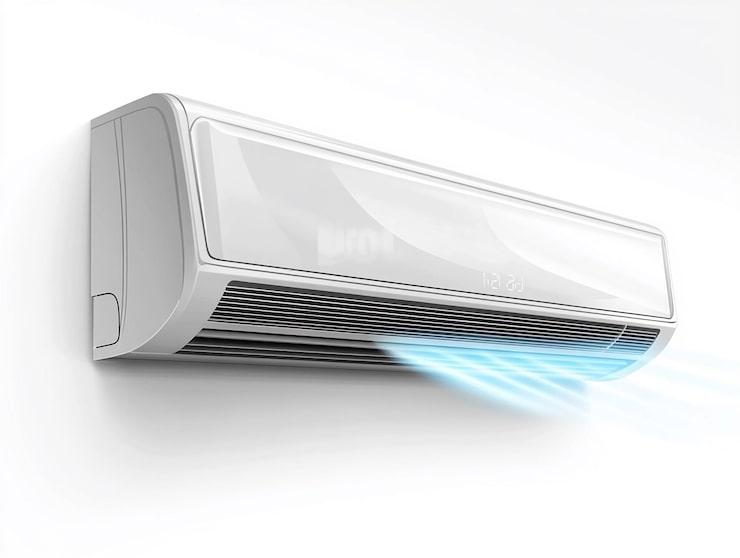
The Philippines air conditioner market is developing as households, businesses, and institutions respond to rising cooling requirements across the country. Hot and humid weather conditions, residential construction, expanding commercial infrastructure, and increasing awareness of energy consumption are influencing demand for air-conditioning equipment. At the same time, manufacturers are introducing inverter-based, connected, and smart cooling technologies to address changing consumer and business requirements.
The Philippines air conditioner market was valued at USD 0.87 billion in 2025 and reached USD 0.91 billion in 2026. According to Markntel Advisor, the Philippines air conditioner market report projects the market to reach USD 1.41 billion by 2032, representing a CAGR of approximately 7.56% during 2026–2032. The study identifies rising heat intensity, residential construction, expanding household numbers, and demand for energy-efficient cooling as important factors shaping the market.
Rising Heat Intensifies Cooling Requirements
Increasing heat conditions are supporting the underlying need for air-conditioning systems across residential and commercial settings. Periods of elevated heat can encourage households to install new units, while existing users may replace older equipment with systems offering improved cooling performance and energy efficiency.
The Philippines' tropical climate creates sustained demand for temperature management, particularly during hotter periods. This demand is relevant not only to households but also to offices, retail establishments, hotels, healthcare facilities, educational institutions, and manufacturing locations where maintaining suitable indoor conditions can be important for occupants and operations.
Residential Construction Creates New Installation Opportunities
Residential construction represents an important source of new air-conditioner installations. New apartments, houses, and other residential developments create additional spaces requiring cooling equipment, while an expanding household base increases the potential customer pool.
The market study notes that residential construction floor area reached 2.03 million square meters in February 2026, representing a 34.3% year-on-year increase and 56.7% of total construction floor area. This expansion provides an installation base for room air conditioners and other residential cooling solutions.
Room Air Conditioners Maintain a Leading Position
Room air conditioners represented approximately 68% of the Philippines air conditioner market in 2026, making them the leading product category. Their broad suitability for residential spaces and smaller commercial environments supports their continued importance in the market.
The segment includes window and split air conditioners across different cooling capacities. Product selection can depend on room size, installation conditions, purchase price, electricity consumption, and expected usage. These factors allow manufacturers to address different requirements within the residential and small-commercial cooling segments.
Energy Efficiency Is Becoming More Important
Energy consumption is an important consideration because air conditioners can represent a substantial portion of electricity use in buildings. The Philippine Department of Energy's Philippine Energy Labeling Program establishes energy-performance and labeling requirements for covered products, providing consumers with information that can support efficiency-related purchasing decisions.
The shift toward energy-efficient cooling is also influencing product development. Manufacturers are increasingly incorporating inverter compressors, improved heat exchangers, intelligent controls, and energy-monitoring capabilities into air-conditioning systems. These technologies can help users manage cooling according to changing indoor conditions and usage patterns.
Smart Inverter Cooling Is Emerging as a Key Trend
AI-enabled and connected air-conditioning systems are becoming more visible in the Philippine market. Manufacturers are introducing products with Wi-Fi connectivity, mobile applications, presence detection, automated temperature adjustment, and energy-monitoring functions.
Smart inverter technology can allow compressors to adjust operation according to cooling requirements rather than operating continuously at a fixed capacity. Connected features can further allow users to monitor or control equipment remotely. These developments are adding technology and energy-management considerations to conventional air-conditioner purchasing decisions.
R32 Leads the Refrigerant Segment
R32 accounted for approximately 44% of the Philippines air conditioner market in 2026, making it the leading refrigerant category. Its increasing adoption is connected with the industry's transition toward refrigerants with lower global warming potential compared with several legacy alternatives.
The Philippines' commitments under the Kigali Amendment are also supporting the broader transition toward lower-global-warming-potential refrigerants. As manufacturers update product portfolios, refrigerant selection is becoming increasingly relevant to product design, regulatory compliance, and long-term cooling technology development.
Window Air Conditioners Present an Efficiency Challenge
Despite the growing availability of inverter and split systems, window-type air conditioners continue to hold a substantial position in the Philippine room air-conditioning market. The persistence of conventional window units creates a challenge for the broader transition toward higher-efficiency cooling equipment.
Replacing older equipment with more efficient systems can create opportunities for manufacturers, distributors, and service providers. However, adoption can depend on upfront equipment costs, installation requirements, consumer awareness, and perceived savings over the equipment's operating life.
Outlook for the Philippines Air Conditioner Market
The Philippines air conditioner market is entering a period of continued development as rising heat conditions, residential construction, household growth, and commercial cooling requirements interact with stronger attention to energy efficiency. The market's projected expansion to USD 1.41 billion by 2032 reflects the increasing role of cooling equipment across residential and commercial applications.
Future market development is likely to remain influenced by product innovation, energy-efficiency policies, refrigerant transitions, construction activity, and consumer adoption of smart inverter technologies. As cooling requirements evolve, manufacturers are increasingly addressing both immediate temperature-control needs and longer-term considerations surrounding energy consumption, connectivity, and environmental performance.
- Digital Agency
- Literie
- Location de voitures
- Restaurant
- Restaurant
- Mode
- Mode
- Information
- Marketing
- Tourisme
- Développement
- Découverte
- Législation
- Gastronomie
- Pâtisserie
- Veranstaltung
- Art
- Causes
- Crafts
- Dance
- Drinks
- Film
- Fitness
- Food
- Spiele
- Gardening
- Health
- Startseite
- Literature
- Music
- Networking
- Andere
- Party
- Religion
- Shopping
- Sports
- Theater
- Wellness
 Deutsch
 Indian
 English
 French
 Arabic
 Spanish
 Portuguese
 Turkish
 Dutch
 Italiano
 Russian
 Romaian
 Portuguese (Brazil)
 Greek
