


Optimizing Enzymatic Detergent Dosage for Heavy Proteinaceous Bioburden
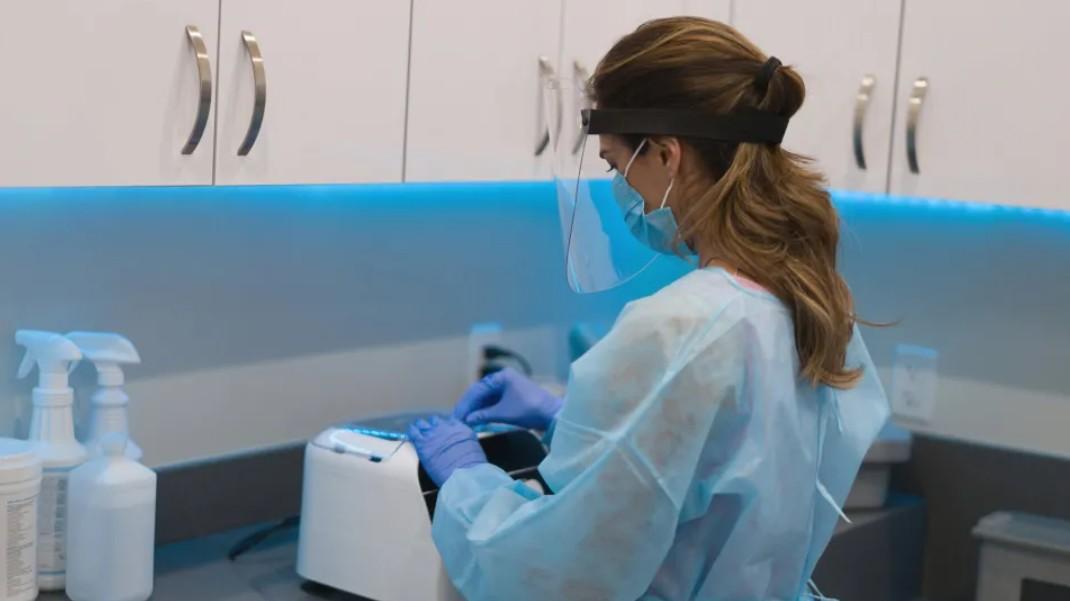
In modern sterile processing departments, effective decontamination is the foundational pillar of infection control. Surgical instruments used in high-acuity procedures—such as orthopedic, spinal, and trauma surgeries—are frequently exposed to dense proteinaceous bioburden. Blood, tissue debris, and mucous substances create complex organic matrices that resist standard automated cleaning methods if not properly pre-treated and chemically degraded. Enzymatic detergents are formulated specifically to break down these resilient proteins; however, achieving maximum efficacy requires precise dosage optimization rather than a simple "more is better" approach.
Understanding the biochemical mechanics of enzyme action is vital for Central Sterile Supply Department (CSSD) professionals. Enzymes are biological catalysts that target specific chemical bonds within organic soils. When dealing with heavy proteinaceous contamination, selecting the correct detergent concentration, dilution ratio, water temperature, and contact time determines whether an instrument achieves true microscopic cleanliness or retains microscopic biofilm layers that jeopardize subsequent sterilization protocols.
The Chemistry of Enzymatic Degradation in Decontamination
Enzymatic detergents operate by lowering the activation energy required to hydrolyze organic compounds. Proteinaceous bioburden mainly consists of insoluble cross-linked fibrin, cellular fragments, and denatured proteins. Protease enzymes, which are the primary active agents in multi-enzymatic formulations, cleave peptide bonds within these complex protein chains, transforming long, water-insoluble molecules into shorter, soluble peptides that wash away easily.
However, enzyme activity relies heavily on environmental conditions within the decontamination sink or ultrasonic cleaner:
-
Enzyme-Substrate Saturation: Enzymatic cleavage follows Michaelis-Menten kinetics. Adding detergent beyond the saturation threshold does not increase the rate of protein breakdown; it simply wastes chemical concentrate.
-
Thermal Constraints: Proteases exhibit optimal catalytic activity within specific temperature windows (typically 100°F to 140°F / 38°C to 60°C). Temperatures exceeding these parameters can permanently denature the enzyme proteins, rendering the detergent ineffective.
-
Water Quality and Hardness: High mineral concentrations (calcium and magnesium) interact with surfactants and can alter pH levels, inhibiting optimal enzyme folding and binding capabilities.
Challenges posed by Heavy Proteinaceous Soil and Biofilm Formation
Heavy proteinaceous soil presents a dual challenge in sterile processing: volume and structural resistance. When blood and tissue dry on intricate surgical instruments, hydrophobic interactions cause the protein strands to fold tightly, protecting the lower layers from chemical exposure. If these residues remain unaddressed during the manual cleaning phase, they can rapidly progress toward biofilm development.
Biofilms are complex communities of microorganisms embedded within a self-produced extracellular polymeric substance (EPS) matrix. The protein scaffold of dried blood serves as an ideal anchor for planktonic bacteria. Once established, this EPS layer shields pathogens from both chemical disinfectants and sterilizing agents.
To prevent biofilm formation, sterile processing personnel must utilize automated dosage dosing systems tailored to the exact water volume and soil load. Manual measurement errors often lead to under-dosing, which leaves organic protein residues intact inside lumened instruments and complex hinges, creating significant infection risks for surgical patients.
Best Practices for Dosing Calibration and Workflow Integration
Optimizing detergent dosage requires a systematic approach combining mechanical calibration, water quality analysis, and thorough staff training. Medical facilities should transition from manual pouring to automated chemical proportioning pumps to eliminate human variability. These proportioner pumps inject precise ratios of detergent concentrate into decontamination basins based on real-time water volume measurements.
To establish an evidence-based dosing protocol for heavy proteinaceous loads, departments should execute the following steps:
-
Conduct Water Quality Testing: Measure water hardness, pH, and total dissolved solids (TDS) at the decontamination sink to determine the baseline chemistry.
-
Review Manufacturer Instructions for Use (IFU): Cross-reference detergent IFUs with instrument IFUs to ensure compatibility with specialized metals and coatings.
-
Calibrate Dosing Equipment: Perform routine volumetric verification of automated pumps to guarantee that concentration ratios remain consistent under varying water pressure conditions.
-
Monitor Temperature Gauges: Install calibrated inline temperature monitors to ensure water remains within the active enzymatic thermal window during exposure.
-
Implement Residual Protein Testing: Regularly sample cleaned instruments using protein detection kits to audit the effectiveness of the current dosing regimen.
Properly trained technicians are essential to executing these protocols accurately. Individuals who complete a formal sterile processing technician course gain the fundamental knowledge of chemistry, microbiology, and quality assurance necessary to manage complex decontamination challenges effectively.
Balancing Chemical Concentration with Rinsing Efficiency
While optimizing chemical concentration is critical for breaking down proteinaceous bioburden, sterile processing teams must also evaluate the post-wash rinsing phase. Over-concentrating enzymatic solutions can leave chemical residues on instrument surfaces. Dried enzymatic detergent residues can cause severe tissue irritation, toxic anterior segment syndrome (TASS) in ophthalmic surgery, or adverse patient reactions upon re-introduction into body cavities.
Furthermore, detergent residues interfere with downstream sterilization processes. Residual chemicals can act as a physical barrier against steam penetration or vaporized hydrogen peroxide gas, leading to unsterile items or aborted sterilization cycles. Thorough rinsing with critical water (deionized, reverse osmosis, or distilled water) is necessary to ensure both organic soils and chemical agents are completely removed from instrument surfaces prior to inspection, packaging, and sterilization.
Technical Summary for CSSD Leadership
Achieving consistent decontamination of heavy proteinaceous bioburden demands an optimized balance of chemical concentration, water temperature, mechanical agitation, and exposure time. By moving away from subjective manual dosing and adopting calibrated automated systems supported by regular protein residue testing, sterile processing departments can safeguard instrument longevity, ensure sterilization efficacy, and uphold the highest standards of patient safety.
- Digital Agency
- Literie
- Location de voitures
- Restaurant
- Restaurant
- Mode
- Mode
- Information
- Marketing
- Tourisme
- Développement
- Découverte
- Législation
- Gastronomie
- Pâtisserie
- Veranstaltung
- Art
- Causes
- Crafts
- Dance
- Drinks
- Film
- Fitness
- Food
- Spiele
- Gardening
- Health
- Startseite
- Literature
- Music
- Networking
- Andere
- Party
- Religion
- Shopping
- Sports
- Theater
- Wellness
 Deutsch
 Indian
 English
 French
 Arabic
 Spanish
 Portuguese
 Turkish
 Dutch
 Italiano
 Russian
 Romaian
 Portuguese (Brazil)
 Greek
