


Fiber Welder Machine: Modern Solutions for Precision Metal Welding
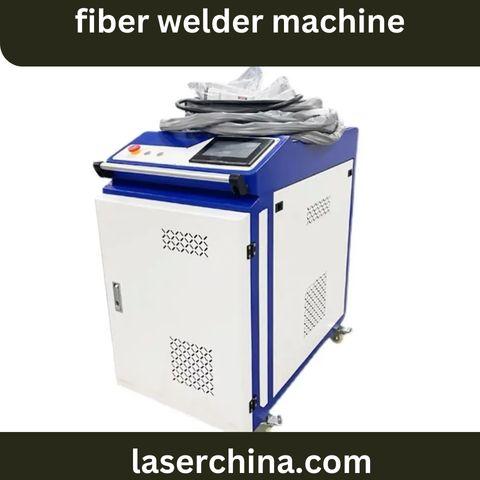
A fiber welder machine is an advanced industrial welding solution designed to join metal components with accuracy, speed, and consistency. Using concentrated fiber laser technology, this equipment produces strong and clean welds across various metal materials. It has become an important tool for manufacturers, metal fabrication workshops, automotive industries, and engineering businesses looking to improve their production processes.
What Is a Fiber Welder Machine?
A fiber welder machine system uses a high-powered laser beam generated through an optical fiber to melt and join metal surfaces. The concentrated energy creates a small welding area, allowing operators to achieve precise results with controlled heat input.
Unlike traditional welding methods, laser welding focuses energy directly on the joint. This makes it suitable for applications where appearance, accuracy, and consistent welding quality are important.
Modern systems are available in different configurations, including handheld, automatic, and robotic welding solutions. Businesses can select suitable equipment according to their production requirements and working environment.
How Does Fiber Laser Welding Work?
The welding process begins when the laser source generates a powerful beam of light. This beam travels through an optical fiber and reaches the welding head, where it is focused onto the metal surface.
The concentrated laser energy heats the material until it melts. When the molten metal cools, it forms a strong connection between the joined components.
Depending on the application, operators can adjust laser power, welding speed, focus position, and other parameters. Proper settings help achieve consistent welding results while reducing unnecessary material deformation.
Materials Suitable for Fiber Laser Welding
Fiber laser technology supports several commonly used industrial metals. These include:
-
Stainless Steel: Suitable for equipment manufacturing, kitchen products, and industrial components.
-
Carbon Steel: Commonly used in construction, machinery, and metal fabrication.
-
Aluminum: Applied in automotive components, enclosures, and lightweight structures.
-
Copper: Used in electrical components and specialized industrial applications.
-
Galvanized Steel: Suitable for selected fabrication tasks with appropriate process settings and fume extraction.
Material thickness, surface condition, joint design, and laser power should always be considered before selecting a welding system.
Industrial Applications
A fiber welder machine can support different manufacturing operations across multiple industries.
Automotive Manufacturing
Automotive manufacturers use laser welding for metal panels, brackets, structural components, and selected precision parts. Controlled welding helps maintain production consistency.
Metal Fabrication
Fabrication workshops use laser welding for cabinets, frames, sheet metal products, and customized metal structures. Handheld systems are particularly useful for flexible workshop operations.
Kitchen Equipment Production
Stainless steel kitchen equipment manufacturers use laser welding for sinks, commercial counters, cabinets, and other metal products where clean joints are important.
Electrical and Electronics Industry
Laser welding is also used for selected electrical connectors, battery components, and precision metal assemblies.
Choosing the Right Welding Equipment
Selecting suitable equipment requires an understanding of your production needs. Consider the following factors before purchasing:
-
Laser Power: Select an appropriate power level according to material type and thickness.
-
Laser Source: Compare source manufacturers, specifications, and service support.
-
Cooling System: Check whether the equipment uses an appropriate industrial cooling solution.
-
Welding Head: Choose a design that matches your required applications.
-
Technical Support: Consider installation assistance, operator training, spare parts, and maintenance services.
-
Safety Equipment: Ensure suitable laser protection, enclosure arrangements, protective eyewear, and fume extraction.
Maintenance and Operating Guidelines
Regular maintenance helps maintain welding consistency and equipment reliability. Operators should inspect optical components, clean the welding head according to manufacturer instructions, check cooling system performance, and examine electrical connections.
It is also important to follow laser safety procedures. High-power fiber lasers can cause serious eye and skin injuries, including injuries from reflected beams. Proper training and controlled operating environments are essential.
Final Thoughts
A fiber welder machine offers a modern approach to industrial metal joining, supporting manufacturers who require precision, consistent output, and efficient production processes. From automotive manufacturing to stainless steel fabrication, fiber laser welding technology has applications across many industries.
Before investing, compare laser power, material compatibility, equipment specifications, safety arrangements, and after-sales support. Choosing the right system can help your business improve manufacturing quality and meet changing production demands.
- Digital Agency
- Literie
- Location de voitures
- Restaurant
- Restaurant
- Mode
- Mode
- Information
- Marketing
- Tourisme
- Développement
- Découverte
- Législation
- Gastronomie
- Pâtisserie
- Evenement
- Art
- Causes
- Crafts
- Dance
- Drinks
- Film
- Fitness
- Food
- Jeux
- Gardening
- Health
- Domicile
- Literature
- Music
- Networking
- Autre
- Party
- Religion
- Shopping
- Sports
- Theater
- Wellness
 French
 Indian
 English
 Arabic
 Spanish
 Portuguese
 Deutsch
 Turkish
 Dutch
 Italiano
 Russian
 Romaian
 Portuguese (Brazil)
 Greek
