


Laser Cleaning Machine: Modern Technology for Efficient Surface Restoration
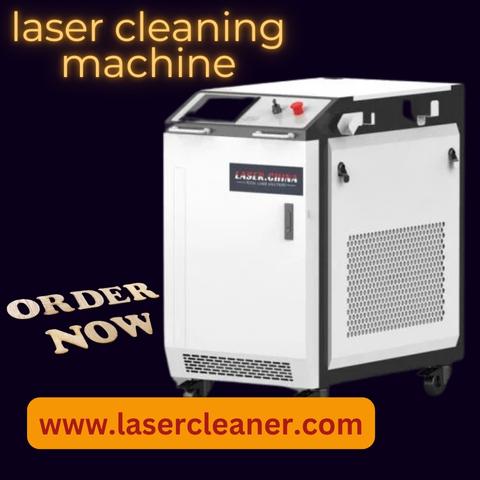
Industrial cleaning has become more advanced with the development of laser technology. A laser cleaning machine is an innovative solution designed to remove rust, paint, oil, oxide layers, and other unwanted contaminants from different surfaces. It uses a focused laser beam to clean materials without relying on traditional chemical cleaners or abrasive methods.
As industries look for cleaner, faster, and more precise production processes, laser cleaning technology is becoming increasingly popular in manufacturing, automotive, aerospace, and metal fabrication.
How Does Laser Cleaning Technology Work?
Laser cleaning works by directing concentrated laser energy onto a contaminated surface. When the laser beam interacts with unwanted materials, it causes them to separate or evaporate from the underlying surface.
The cleaning process can be adjusted according to the material, contamination type, and required cleaning depth. This makes the technology suitable for various industrial applications, including metal surface preparation and restoration.
Operators can select different power levels and cleaning parameters depending on the specific requirements of their projects.
Common Applications of Laser Cleaning
Laser cleaning technology is used across multiple industries because of its ability to handle different surface-cleaning tasks.
1. Rust Removal
Metal components exposed to moisture and environmental conditions often develop rust. Laser cleaning helps remove corrosion from metal surfaces, making components ready for further processing, painting, or maintenance.
2. Paint and Coating Removal
Removing old paint and protective coatings can be challenging with conventional techniques. Laser technology provides a controlled method for removing unwanted coatings from metal parts, machinery, and industrial equipment.
3. Oil and Grease Cleaning
Manufacturing components frequently accumulate oil, grease, and other production residues. Laser-based cleaning can help prepare these surfaces before welding, assembly, or additional manufacturing operations.
4. Industrial Mold Cleaning
Molds used in plastic processing, rubber manufacturing, and other production activities require regular maintenance. Laser cleaning helps remove accumulated residues while reducing the need for traditional abrasive cleaning methods.
Choosing the Right Laser Cleaning Equipment
Selecting suitable equipment depends on several important factors. Buyers should consider the type of material being cleaned, the thickness of contaminants, cleaning speed, and the size of the working area.
Laser power is another important consideration. Lower-power systems may be suitable for delicate cleaning tasks, while higher-power equipment can handle demanding industrial applications.
There are also different equipment configurations available, including handheld systems for flexible operation and automated solutions for larger production environments.
Before purchasing a laser cleaning machine, businesses should evaluate the manufacturer's technical support, warranty coverage, spare parts availability, and equipment specifications.
Laser Cleaning vs. Traditional Cleaning Methods
Traditional surface-cleaning techniques often involve chemicals, sandblasting, grinding, or mechanical tools. Although these methods remain useful in many applications, they may require additional preparation, consumables, and waste management.
Laser cleaning offers a different approach by using controlled light energy to remove contaminants. It can reduce the need for chemical cleaning agents and abrasive materials in suitable applications.
However, proper parameter selection and operator training are essential to achieve consistent results without damaging the base material.
Safety Considerations During Operation
Industrial laser equipment requires appropriate safety precautions. Operators should use protective eyewear designed for the specific laser wavelength and follow the manufacturer's safety instructions.
Work areas should have suitable ventilation and fume extraction systems to manage particles and fumes produced during cleaning. Proper laser enclosures, warning signs, and access controls are also important.
Businesses should ensure that operators receive appropriate training before using the equipment.
Final Thoughts
Laser cleaning technology is changing how industries approach surface preparation, rust removal, and equipment maintenance. Its precise cleaning process and flexible applications make it an interesting investment for manufacturers looking to modernize their operations.
Choosing the right laser cleaning machine requires careful consideration of cleaning requirements, laser power, equipment quality, and manufacturer support. With the correct setup and operating procedures, businesses can integrate laser technology into their production and maintenance processes.
- Digital Agency
- Literie
- Location de voitures
- Restaurant
- Restaurant
- Mode
- Mode
- Information
- Marketing
- Tourisme
- Développement
- Découverte
- Législation
- Gastronomie
- Pâtisserie
- Evento
- Art
- Causes
- Crafts
- Dance
- Drinks
- Film
- Fitness
- Food
- Juegos
- Gardening
- Health
- Inicio
- Literature
- Music
- Networking
- Otro
- Party
- Religion
- Shopping
- Sports
- Theater
- Wellness
 Spanish
 Indian
 English
 French
 Arabic
 Portuguese
 Deutsch
 Turkish
 Dutch
 Italiano
 Russian
 Romaian
 Portuguese (Brazil)
 Greek
