


Engineering Staffing: Finding the Right Talent for Modern Engineering Projects
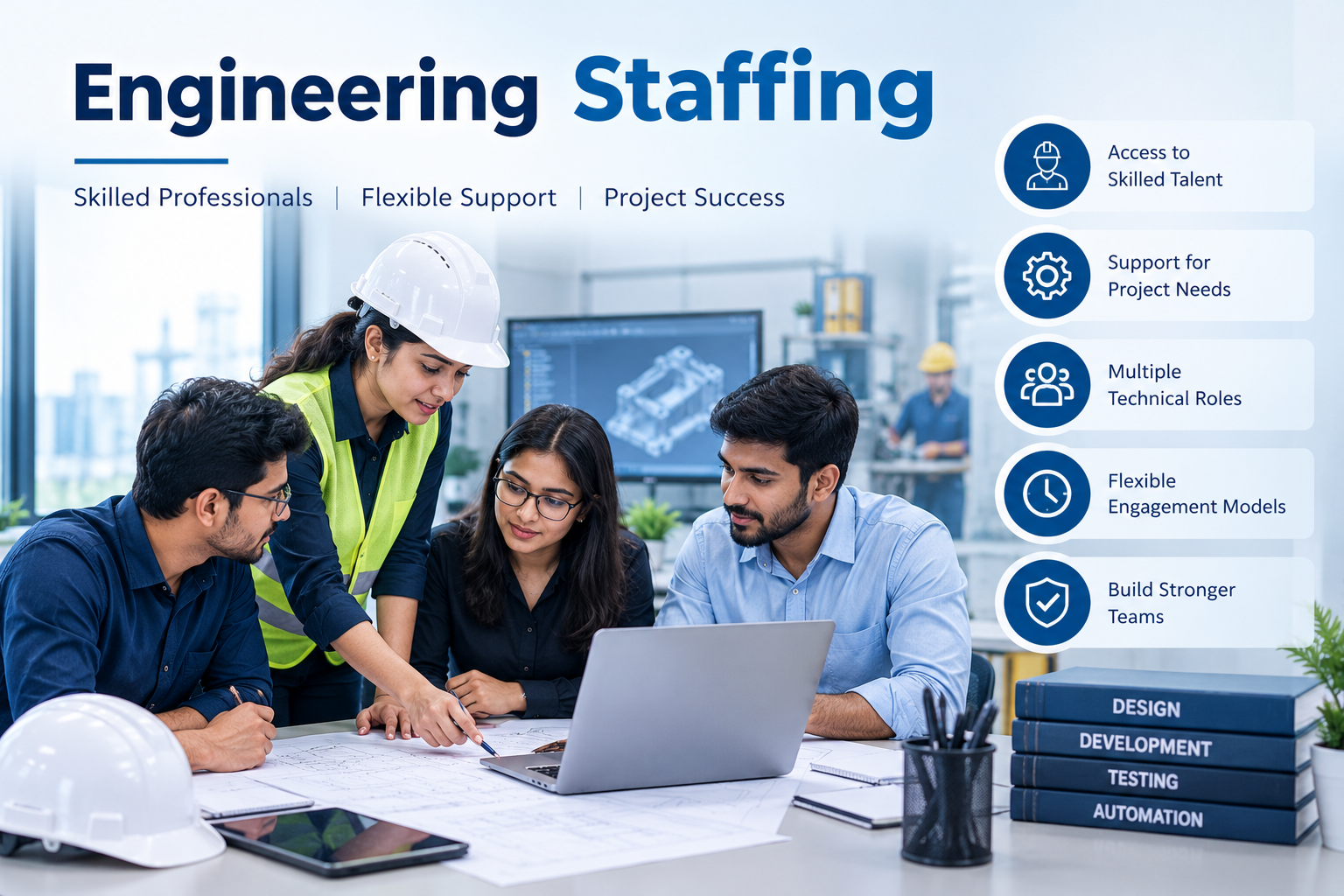
Engineering industries are continuously evolving with advancements in automation, manufacturing, robotics, construction, and digital technologies. Businesses need skilled professionals who can manage technical responsibilities, solve complex challenges, and support successful project execution. Finding the right people at the right time, however, can be difficult. This is where Engineering Staffing becomes an important part of business growth and workforce planning.
Companies often work on projects that require specialized technical knowledge and flexible workforce arrangements. Whether an organization needs mechanical engineers, electrical specialists, software developers, or automation professionals, having access to qualified talent can make a significant difference in project performance.
What Is Engineering Staffing?
Engineering Staffing is the process of identifying, recruiting, and placing qualified engineering professionals according to an organization's technical and operational requirements.
It helps businesses connect with individuals who have the necessary educational backgrounds, practical experience, and industry-specific skills. Depending on project requirements, companies may hire professionals for permanent positions, temporary assignments, contract-based projects, or specialized technical roles.
This approach allows organizations to build teams that match their current workload without depending entirely on traditional recruitment methods.
Why Do Businesses Need Engineering Staffing?
Engineering projects often involve strict deadlines, technical specifications, and changing workforce requirements. Maintaining the right team is essential for achieving project objectives.
Here are some important reasons businesses invest in professional staffing solutions.
1. Access to Skilled Professionals
Companies can connect with experienced engineers who understand specific technologies, tools, and industry requirements.
2. Flexible Workforce Planning
Organizations can hire professionals according to project duration and workload, making workforce management more adaptable.
3. Reduced Recruitment Efforts
Identifying suitable technical candidates requires time and resources. Staffing support can simplify the hiring process and help businesses focus on their core activities.
4. Improved Project Productivity
Having qualified professionals available for important responsibilities helps maintain project progress and operational efficiency.
5. Support for Specialized Projects
Some engineering assignments require expertise in areas that may not be available within an existing workforce. Staffing solutions help businesses fill these technical gaps.
Different Types of Engineering Staffing Solutions
Every engineering organization has different workforce requirements. Staffing arrangements can be customized according to business objectives and project needs.
1. Contract Staffing
Contract staffing allows companies to hire engineering professionals for a specific period or project. It is useful when organizations require additional technical support without making permanent hiring commitments.
2. Permanent Engineering Recruitment
Permanent recruitment focuses on identifying professionals who can become long-term members of an organization's workforce. It is suitable for businesses looking to strengthen their internal engineering teams.
3. Project-Based Staffing
Some projects require specialized professionals for a defined period. Project-based staffing helps organizations bring together the right technical resources to complete specific assignments.
4. Specialized Technical Staffing
Businesses working with advanced technologies may require engineers with expertise in automation, embedded systems, CAD design, robotics, electrical engineering, or software development.
Industries That Benefit from Engineering Staffing
Engineering talent is required across several industries. The demand for specialized professionals continues to grow as businesses adopt advanced technologies and modern production methods.
Manufacturing: Manufacturing companies need mechanical, electrical, and production engineers to improve processes, maintain equipment, and support product development.
Automotive: Automotive businesses require engineers specializing in vehicle electronics, embedded systems, mechanical design, testing, and automation.
Industrial Automation: Automation projects depend on professionals with knowledge of PLC programming, robotics, control systems, and industrial communication.
Construction and Infrastructure: Civil, structural, and design engineers contribute to planning, project execution, and infrastructure development.
Technology and Electronics: Companies developing electronic products need professionals skilled in hardware design, embedded software, system integration, and product testing.
How to Choose the Right Engineering Staffing Partner
Selecting a suitable staffing partner is important for building an effective technical workforce. Businesses should evaluate several factors before making a decision.
-
Industry Knowledge: Look for a partner who understands engineering roles and technical requirements.
-
Candidate Quality: Check whether candidates have relevant qualifications, practical experience, and technical skills.
-
Recruitment Process: Understand how professionals are screened, evaluated, and shortlisted.
-
Workforce Flexibility: Choose solutions that support permanent, temporary, and project-based requirements.
-
Communication: Clear communication helps ensure that hiring expectations and project requirements are properly understood.
A reliable staffing approach can help organizations identify suitable professionals and maintain workforce continuity.
Future Trends in Engineering Workforce Management
The engineering employment landscape is changing with the development of artificial intelligence, electric vehicles, smart manufacturing, robotics, and connected technologies.
Companies increasingly require professionals who can work with modern engineering tools and interdisciplinary systems. Skills in automation, embedded technology, data analysis, simulation, and digital manufacturing are becoming valuable across multiple sectors.
Remote collaboration and flexible employment arrangements are also influencing how engineering teams are organized. Businesses are therefore focusing on workforce strategies that can adapt to changing technical requirements.
Conclusion
Building a skilled engineering workforce is essential for businesses that want to improve productivity, manage technical challenges, and complete projects successfully. Engineering Staffing provides a practical way to connect organizations with qualified professionals across different technical disciplines.
By choosing suitable staffing arrangements and focusing on relevant expertise, companies can strengthen their engineering capabilities and respond more effectively to changing industry demands.
- Digital Agency
- Literie
- Location de voitures
- Restaurant
- Restaurant
- Mode
- Mode
- Information
- Marketing
- Tourisme
- Développement
- Découverte
- Législation
- Gastronomie
- Pâtisserie
- Event
- Art
- Causes
- Crafts
- Dance
- Drinks
- Film
- Fitness
- Food
- Games
- Gardening
- Health
- Home
- Literature
- Music
- Networking
- Other
- Party
- Religion
- Shopping
- Sports
- Theater
- Wellness
 English
 Indian
 French
 Arabic
 Spanish
 Portuguese
 Deutsch
 Turkish
 Dutch
 Italiano
 Russian
 Romaian
 Portuguese (Brazil)
 Greek
