


Invisalign Dubai: How Are Clear Aligners Planned for Different Smile Concerns?
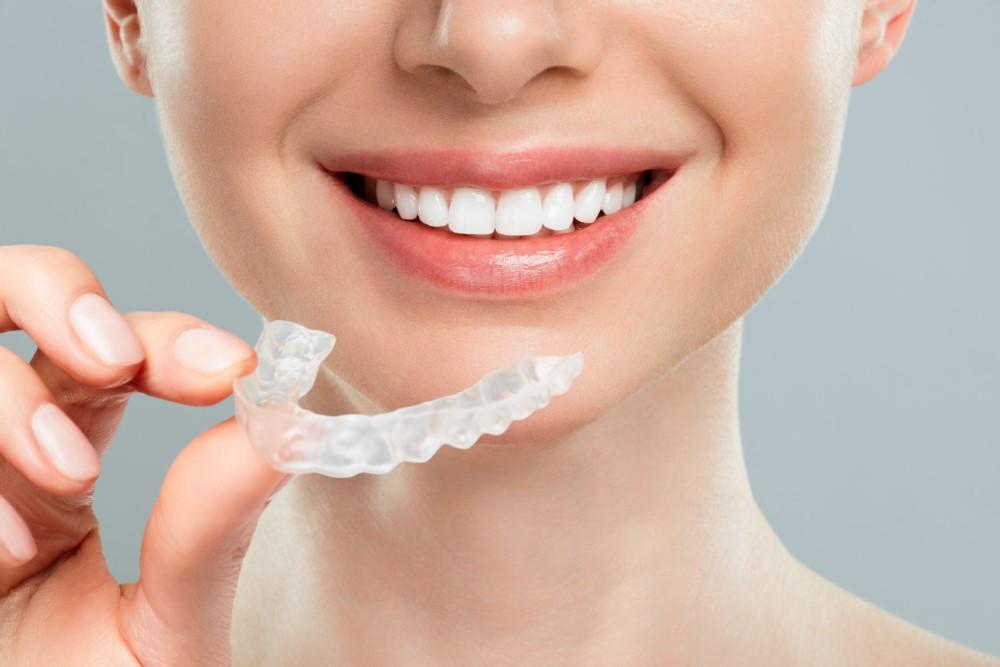
A straight, balanced smile can make a meaningful difference to facial appearance and confidence. However, every individual has different dental characteristics, and not everyone requires the same orthodontic approach. Some people have crowded front teeth, while others experience gaps, uneven tooth positioning, overlapping teeth or bite alignment concerns. Understanding these differences is an important part of planning successful orthodontic treatment.
Invisalign Dubai is an increasingly popular option for individuals who want to improve their dental alignment using clear, removable aligners. Instead of relying on traditional metal brackets and wires, Invisalign treatment uses a customised series of transparent trays designed to move teeth gradually towards their planned positions.
Although the aligners may look similar, their treatment plans can differ considerably. The number of aligners, the direction of tooth movement, the use of attachments and the overall treatment duration depend on each patient's dental condition.
Understanding how clear aligners are planned for different smile concerns helps patients make informed decisions before beginning treatment. At Cornerstone Clinic, an individual assessment can help determine which orthodontic approach is suitable for a patient's dental needs and smile goals.
Understanding the Importance of Individual Invisalign Treatment Planning
Orthodontic treatment is not simply about making teeth appear straight. Proper alignment also involves considering how the upper and lower teeth meet, how the bite functions and how each tooth contributes to the overall appearance of the smile.
Before recommending Invisalign, a dental professional evaluates the patient's existing alignment and identifies the areas that require improvement.
This assessment generally involves examining the teeth, gums, bite relationship and overall oral health. Digital scans, photographs and appropriate dental imaging may also be used to understand the existing dental structure.
These records help create a digital representation of the patient's teeth. The dental professional can then develop a treatment plan showing how individual teeth are expected to move throughout the process.
The purpose of this planning stage is to establish realistic treatment objectives rather than applying the same alignment strategy to every patient.
How Invisalign Addresses Different Smile Concerns
Different orthodontic conditions require different tooth movements. The treatment plan is therefore adjusted according to the type and severity of the alignment concern.
Treating Crowded Teeth
Crowding occurs when there is insufficient space within the dental arch for teeth to sit in their intended positions. As a result, some teeth may overlap, rotate or become positioned behind neighbouring teeth.
This condition can affect the appearance of the smile and make cleaning certain areas more difficult.
When planning Invisalign for crowded teeth, the dental professional evaluates the amount of available space and identifies which teeth need repositioning.
Depending on the case, the treatment plan may involve:
- Gradually repositioning overlapping teeth.
- Creating additional space within the dental arch.
- Adjusting the alignment of individual teeth.
- Considering carefully planned interproximal reduction when clinically appropriate.
Interproximal reduction involves removing a very small amount of enamel between selected teeth to create additional space. Whether this technique is suitable depends on the patient's dental structure and treatment requirements.
The objective is to achieve a more organised tooth arrangement while maintaining a balanced appearance.
Closing Gaps Between Teeth
Some individuals have noticeable spaces between their teeth, particularly between the upper front teeth. These gaps may occur because of differences in tooth size, dental arch dimensions or the positioning of neighbouring teeth.
Invisalign treatment can be planned to gradually bring selected teeth closer together.
During the planning process, the dental professional considers the size and location of each gap. The movement of neighbouring teeth must be coordinated to achieve an even distribution of space.
For example, closing a single gap between the front teeth may require a different movement sequence from correcting multiple spaces throughout both dental arches.
The final objective is to create a natural-looking arrangement without compromising the proportions of the teeth.
Correcting Overbite and Deep Bite
An overbite describes the vertical overlap of the upper front teeth over the lower front teeth. Some degree of overlap is normal, but an excessive overlap may affect the way the teeth meet.
A deep bite is a condition in which the upper front teeth cover an unusually large portion of the lower front teeth.
When planning Invisalign for these concerns, the dental professional evaluates the relationship between the upper and lower dental arches.
The treatment may involve carefully controlled movements of the front teeth and adjustments to the bite relationship. Attachments or other orthodontic features may be incorporated when additional control is required.
The treatment objectives depend on whether the concern is primarily related to tooth positioning or an underlying jaw relationship.
Improving Underbite and Crossbite Alignment
An underbite occurs when the lower front teeth sit ahead of the upper front teeth when the mouth closes. A crossbite occurs when one or more upper teeth sit inside the corresponding lower teeth rather than in their usual relationship.
Both conditions require a detailed assessment because their causes and levels of complexity can vary.
For suitable patients, Invisalign treatment may be planned to reposition selected teeth and improve the relationship between the dental arches.
The dental professional examines whether the concern is dental, skeletal or a combination of both. This distinction is important because tooth movement alone may not address every underlying jaw discrepancy.
In some cases, additional orthodontic treatment or a different approach may be more appropriate.
Addressing Rotated Teeth
Rotated teeth are positioned at an angle rather than following the natural direction of the dental arch. This is particularly noticeable when front teeth or canines turn away from their expected positions.
Correcting rotated teeth requires controlled movement because simply pushing a tooth sideways may not produce the desired alignment.
Invisalign treatment planning considers the direction and degree of rotation required for each affected tooth.
Small tooth-coloured attachments may be placed on selected teeth to help the aligners apply the appropriate forces. The number and position of these attachments depend on the movement being planned.
The objective is to gradually improve tooth orientation and create a more consistent smile.
The Role of Digital Scanning in Invisalign Planning
Digital scanning is an important part of modern clear aligner treatment. Instead of relying exclusively on traditional dental impressions, an intraoral scanner can capture detailed information about the teeth and surrounding dental structures.
The resulting digital model helps the dental professional examine the existing alignment and plan the intended tooth movements.
Specialised treatment-planning software can display a projected sequence of changes, allowing the dental professional to review how the teeth are expected to move from their current positions towards the planned result.
This digital approach can help patients understand their proposed treatment before the aligners are manufactured.
However, a digital simulation is a planning tool rather than a guarantee of the final outcome. Actual tooth movement depends on biological responses, aligner fit, patient cooperation and professional monitoring.
Why Attachments May Be Included in an Invisalign Plan
Although Invisalign aligners are designed to fit closely over the teeth, certain movements require additional support.
Attachments are small, tooth-coloured shapes bonded to selected teeth. They provide additional contact points that help guide the movement of individual teeth.
Their use depends on the complexity of the treatment plan.
For example, attachments may be considered when a tooth requires rotation, controlled movement or additional support during alignment.
Not every patient needs the same number of attachments. Some treatment plans may require only a few, while others may involve several attachments across different areas of the dental arch.
Their placement is determined by the dental professional according to the movements required.
How Many Aligners Are Needed for Different Smile Concerns?
The number of aligners required depends on the extent of tooth movement and the complexity of the orthodontic condition.
A patient with a small gap between two front teeth may require a different number of aligners from someone with significant crowding or bite alignment concerns.
Each aligner represents one stage in the planned movement sequence. Patients typically change to the next set according to their dental professional's instructions.
Treatment planning may also include additional aligners, commonly called refinement aligners, if further adjustments are needed after the initial series.
This allows the dental professional to evaluate the progress and make appropriate changes to achieve the intended alignment.
What Happens During the Invisalign Treatment Process?
Understanding the treatment process can help patients feel more prepared before starting their orthodontic journey.
The process generally includes several stages.
Initial Consultation: The dental professional examines the teeth, bite and oral health while discussing the patient's concerns and expectations.
Digital Records: Dental scans, photographs and other appropriate records are collected to assess the existing tooth positions.
Treatment Planning: A customised digital plan is prepared, outlining the intended tooth movements and sequence of aligners.
Aligner Fabrication: Once the treatment plan is reviewed and approved, the customised aligners are manufactured.
Wearing the Aligners: Patients wear their aligners according to professional instructions, generally for 20 to 22 hours daily.
Progress Monitoring: Follow-up appointments allow the dental professional to assess tooth movement and determine whether the treatment is progressing as planned.
Retention: After active treatment, retainers are generally recommended to help maintain the corrected tooth positions.
Factors That Influence Invisalign Treatment Cost in Dubai
The cost of Invisalign treatment can vary because every patient has different orthodontic requirements. A treatment plan involving minor spacing correction may be considerably different from one addressing several alignment and bite concerns.
Several factors may influence the overall treatment cost.
Complexity of the Dental Condition: The extent of crowding, spacing or bite correction required can influence the treatment approach.
Number of Aligners: The number of customised aligners needed to complete the planned movements may affect the overall cost.
Treatment Duration: More involved cases may require longer treatment periods and additional monitoring.
Additional Orthodontic Features: Attachments, interproximal reduction and other clinically appropriate techniques may form part of the treatment plan.
Follow-Up Care: The overall treatment arrangement may include progress reviews, refinements and retainers.
Patients researching Invisalign Cost in Dubai should consider the complete treatment plan rather than comparing prices alone. A consultation helps establish the complexity of the case and the services included in the proposed treatment.
Who May Be Suitable for Invisalign Treatment?
Invisalign may be suitable for adults and teenagers who want to improve their dental alignment without traditional fixed braces.
Individuals with mild to moderate crowding, gaps, certain bite concerns and rotated teeth may benefit from clear aligner treatment.
However, suitability depends on the patient's dental condition, oral health and treatment objectives.
Some complex orthodontic conditions may require additional techniques or alternative treatment options. A professional examination is therefore essential before deciding whether Invisalign is appropriate.
Patient cooperation is also important. Since the aligners are removable, they must be worn consistently for the recommended daily duration to support the planned tooth movements.
Conclusion
Every smile has its own characteristics, which is why Invisalign treatment requires an individual approach. Crowded teeth, gaps, rotated teeth and bite alignment concerns all involve different orthodontic requirements. A customised treatment plan helps determine the movements needed to improve both the appearance and positioning of the teeth.
Digital scans, treatment-planning software, attachments and regular professional assessments all contribute to the process. The number of aligners and treatment duration depend on the complexity of the individual case and how the teeth respond throughout treatment.
For individuals considering Invisalign Dubai, a consultation at Cornerstone Clinic can help identify their smile concerns, discuss suitable treatment options and establish realistic expectations. Understanding the planning process is an important first step towards achieving a more balanced and well-aligned smile.
Frequently Asked Questions
1. How is Invisalign planned for different smile concerns?
Invisalign is planned according to the patient's existing tooth positions, bite relationship and orthodontic goals. Digital scans and clinical assessments help the dental professional develop a customised sequence of tooth movements.
2. Can Invisalign correct crowded teeth?
Yes, Invisalign can address many cases of mild to moderate dental crowding. Treatment planning focuses on creating sufficient space and gradually repositioning overlapping or rotated teeth.
3. Can Invisalign close gaps between front teeth?
Yes, clear aligners can gradually move selected teeth closer together to reduce or close spaces. The treatment plan depends on the size of the gaps and the surrounding tooth positions.
4. Does Invisalign help with bite alignment?
Invisalign can address certain bite concerns, including selected cases of overbite, deep bite, underbite and crossbite. Suitability depends on whether the condition is related to tooth positioning or underlying jaw structure.
5. Why are attachments used during Invisalign treatment?
Attachments are small tooth-coloured features bonded to selected teeth. They provide additional contact points that help aligners guide particular movements, especially when teeth require controlled rotation or repositioning.
6. How long does Invisalign treatment take?
Treatment duration varies according to the complexity of the dental condition and the number of movements required. Some cases may take several months, while more involved treatments can take longer.
7. How many hours should Invisalign aligners be worn daily?
Patients are generally advised to wear Invisalign aligners for approximately 20 to 22 hours per day. They should be removed for meals, drinks other than water and oral hygiene, following the dental professional's instructions.
8. Is Invisalign suitable for adults?
Yes, Invisalign is commonly used by adults who want to improve crowded, spaced or misaligned teeth. A dental assessment helps determine whether clear aligners are suitable for their individual requirements.
9. Does Invisalign treatment require digital scanning?
Digital scanning is commonly used to create a three-dimensional representation of the teeth. This information helps the dental professional develop and review a customised orthodontic treatment plan.
10. What determines Invisalign Cost in Dubai?
The cost depends on the complexity of the orthodontic condition, number of aligners, treatment duration, additional procedures and follow-up arrangements. An individual consultation is the best way to receive an appropriate treatment estimate.
11. Are retainers necessary after Invisalign treatment?
Retainers are generally recommended after active orthodontic treatment to help maintain the corrected tooth positions. The dental professional will advise on the appropriate type and wearing schedule.
12. Can Invisalign treat every type of dental misalignment?
No single orthodontic treatment is suitable for every patient. Invisalign can address many alignment concerns, but some complex dental or skeletal conditions may require alternative or combined treatment approaches.
- Digital Agency
- Literie
- Location de voitures
- Restaurant
- Restaurant
- Mode
- Mode
- Information
- Marketing
- Tourisme
- Développement
- Découverte
- Législation
- Gastronomie
- Pâtisserie
- مناسبة
- Art
- Causes
- Crafts
- Dance
- Drinks
- Film
- Fitness
- Food
- الألعاب
- Gardening
- Health
- الرئيسية
- Literature
- Music
- Networking
- أخرى
- Party
- Religion
- Shopping
- Sports
- Theater
- Wellness
 Arabic
 Indian
 English
 French
 Spanish
 Portuguese
 Deutsch
 Turkish
 Dutch
 Italiano
 Russian
 Romaian
 Portuguese (Brazil)
 Greek
