


When Your Big Toe or Heel Won't Settle: Understanding Arthritis and Achilles Pain
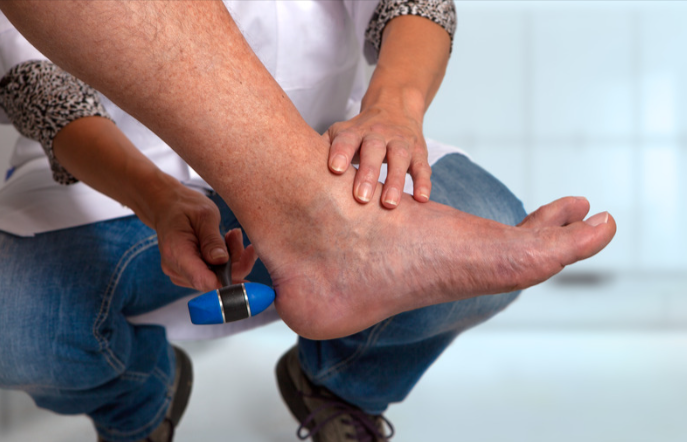
By the Pavel Akimau Clinic Team | Foot and Ankle Health Guide
Meta description: Struggling with a stiff big toe or a painful Achilles? Learn what causes these problems, which options exist and when to see a foot and ankle specialist.
Some foot problems announce themselves loudly. Others creep in quietly. A big toe that gets stiffer every winter. A heel that aches for the first few steps each morning and then "warms up". You put up with it, buy softer shoes and tell yourself it's just age. Then one day you realise you've stopped walking the dog as far as you used to.
This guide explains two common problems, arthritis of the big toe and Achilles tendon pain, and what treatment can look like. It's general information, not a diagnosis, and a proper assessment is always the right starting point.
The Big Toe Joint: Small Joint, Big Job
The joint at the base of the big toe bends every time you walk, climb stairs or push off the ground. Over many years, the cartilage that cushions it can wear down. This is often called hallux rigidus, or arthritis of the big toe joint.
Typical signs include aching after activity, stiffness, swelling, difficulty bending the toe upward and sometimes a bony lump on top of the joint. As movement becomes limited, some people shift their weight to the outer edge of the foot, which can cause problems elsewhere.
Treatment Options, Step by Step
Most specialists start gently. Early care may include shoes with a stiffer sole or a rocker shape, supportive inserts, adjusting activity and, where appropriate, anti-inflammatory medication or an injection. Many people manage well at this stage.
If pain continues despite these measures, it's reasonable to look at other options. People often ask about a new treatment for big toe arthritis, and it's worth being honest here: techniques and implants continue to evolve, and procedures such as joint-preserving surgery, joint replacement or fusion may be suitable depending on the stage of arthritis, your activity level and your goals. A surgeon will review your X-rays and explain what's realistic for your toe, rather than promising a one-size-fits-all fix.
The Achilles: Strongest Tendon, Common Trouble Spot
The Achilles tendon connects your calf muscles to your heel bone. It's the strongest tendon in the body, yet it's also one of the most commonly irritated, especially in runners, people returning to sport and those whose daily activity has suddenly increased.
Achilles tendinopathy describes pain and thickening in the tendon from overload and degeneration, rather than a single dramatic injury. It tends to build gradually. You might notice stiffness in the morning, pain at the start of exercise or tenderness when you squeeze the tendon.
Two Different Locations, Two Different Problems
Pain can occur in the middle of the tendon, a few centimetres above the heel, or right where the tendon attaches to the heel bone. The second type is known as insertional, and it often behaves differently. It can be linked to a bony prominence at the back of the heel, irritation of the nearby bursa and pressure from shoes.
This matters because the exercises and footwear changes that suit one location may aggravate the other. That's why an accurate diagnosis comes first.
What Helps Achilles Pain
For many people, the cornerstone of Achilles tendinopathy treatment is a progressive loading programme. Instead of resting completely, the tendon is gradually strengthened through carefully chosen calf exercises. Activity modification, supportive footwear and sometimes heel lifts can reduce strain while the tendon adapts.
Other options your specialist may discuss include shockwave therapy for selected cases and, where appropriate, injections, although injections around the Achilles are used cautiously because of the risk to the tendon. Recovery usually takes weeks to months, so patience matters.
When pain sits at the back of the heel, insertional Achilles tendinopathy treatment often involves some adjustments. Heel-raise exercises may need to be modified so the tendon isn't compressed against the bone, and shoes with a soft heel counter can help. If symptoms persist despite a well-run non-surgical plan, surgery to address the bony prominence or damaged tissue may be considered.
Practical Tips You Can Try Now
- Check your shoes. Worn-out or very rigid shoes can aggravate both toe and heel problems.
- Build up gradually. Increase walking, running or gym load slowly.
- Warm up properly. Gentle calf mobility work before activity helps.
- Don't ignore early pain. Acting sooner usually gives you more options.
- Avoid DIY injections or aggressive stretching of a painful tendon without advice.
When to See a Specialist
Book an appointment if pain has lasted more than a few weeks, if it limits walking or sport, if there's visible swelling or deformity, or if you've tried simple measures without improvement. Seek urgent advice after a sudden "pop" in the back of the ankle with weakness, as this could be a tendon rupture.
Frequently Asked Questions
Will I definitely need surgery? No. Many people improve with non-surgical treatment, and surgery is usually considered only when those options haven't provided enough relief.
Do I need a GP referral for a private consultation? Not for private appointments, though some insurers require a referral letter.
How long does Achilles recovery take? It varies, but tendon problems often take weeks to months to settle, and loading programmes need consistency.
Can arthritis in the big toe be reversed? Cartilage loss can't usually be reversed, but symptoms can often be managed well, and surgery is available when needed.
Will scans be needed? Imaging such as X-rays or MRI is used when it will help confirm the diagnosis and guide treatment.
Final Thoughts
Foot and ankle pain isn't something you simply have to live with. A clear diagnosis, a sensible plan and realistic expectations make a real difference. If you're unsure where to start, a consultation can bring clarity.
To learn more or arrange an appointment, visit pavelakimau.com.
- Digital Agency
- Literie
- Location de voitures
- Restaurant
- Restaurant
- Mode
- Mode
- Information
- Marketing
- Tourisme
- Développement
- Découverte
- Législation
- Gastronomie
- Pâtisserie
- Etkinlik
- Art
- Causes
- Crafts
- Dance
- Drinks
- Film
- Fitness
- Food
- Oyunlar
- Gardening
- Health
- Ana sayfa
- Literature
- Music
- Networking
- diğer
- Party
- Religion
- Shopping
- Sports
- Theater
- Wellness
 Turkish
 Indian
 English
 French
 Arabic
 Spanish
 Portuguese
 Deutsch
 Dutch
 Italiano
 Russian
 Romaian
 Portuguese (Brazil)
 Greek
