


How to Select an Industrial Water Quality Monitoring System in Tamil Nadu
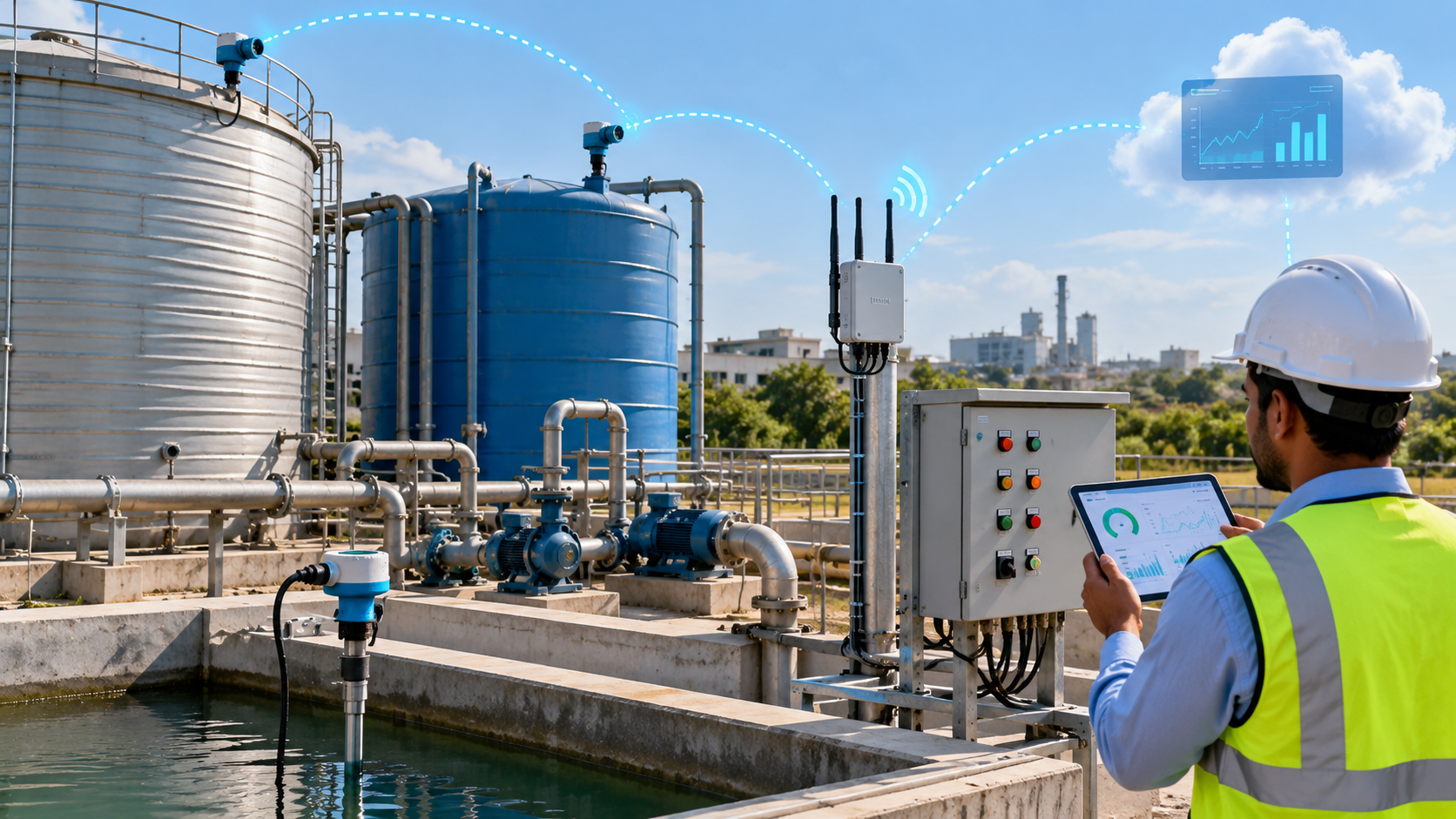
Water quality management is an important requirement for manufacturing plants, commercial facilities, water treatment operations, and industrial storage systems across Tamil Nadu. Changes in water quality can affect industrial processes, equipment performance, and operational efficiency. Without suitable monitoring, identifying these changes may depend on manual sampling and laboratory testing, which can delay the availability of useful information.
An industrial water quality monitoring system Tamil Nadu businesses choose should match their specific application, the parameters they need to measure, and their monitoring requirements. By evaluating sensor technology, connectivity, data reporting, and integration capabilities, industrial operators can select a system that supports more consistent water quality management.
Identify the Water Quality Parameters You Need to Monitor
The first step is determining which water quality characteristics matter to your application. Different industrial processes require different measurements, so selecting sensors should begin with the intended use.
Common parameters include:
-
pH: Indicates whether water is acidic or alkaline.
-
Turbidity: Measures the cloudiness of water caused by suspended particles.
-
Electrical conductivity (EC): Indicates how readily water conducts electricity and can help assess changes in dissolved ionic content.
-
Total dissolved solids (TDS): Provides an estimate of dissolved substances when measured directly or derived from a suitable conductivity measurement.
-
Temperature: Helps identify changes that may affect water quality measurements or industrial processes.
Not every monitoring system measures all these parameters. Choose sensors based on your process requirements, and use appropriate laboratory testing when specific chemical or microbiological contaminants must be identified.
Choose the Right Sensor Technology
Sensor technology determines which parameters can be measured and how the system performs under actual operating conditions.
For example, pH sensors use electrochemical measurement principles, while turbidity sensors commonly use optical techniques. Conductivity sensors measure the electrical conductance of water.
When selecting an industrial water quality monitoring system, evaluate:
-
Measurement range and stated accuracy.
-
Compatibility with the water being monitored.
-
Response time and operating temperature.
-
Sensor cleaning and calibration requirements.
-
Resistance to corrosion, deposits, and other site conditions.
-
Availability of replacement probes and technical support.
Industrial water can contain suspended solids, dissolved chemicals, or other substances that affect sensor performance. Confirm that the selected equipment is suitable for the specific water composition and operating environment.
Decide Between Manual Testing and Continuous Monitoring
Manual sampling and laboratory testing remain useful for detailed water analysis and compliance verification. However, they may not provide continuous visibility into changes between sampling intervals.
A connected monitoring solution can collect measurements at configured intervals or continuously, depending on the sensor and system design.
An industrial water tank monitoring system can also provide information about water storage levels. However, water level monitoring and water quality monitoring serve different purposes: a level sensor measures how much water is stored, while a quality sensor measures specified water characteristics.
If your facility needs both capabilities, check whether they can be integrated into a compatible monitoring platform.
Evaluate Real-Time Data and Remote Monitoring
Industrial facilities may operate several tanks, treatment stages, or storage locations. Collecting measurements manually from every location can require additional staff time.
A connected monitoring platform can make available measurements accessible through a dashboard, helping operators review readings and identify changes.
Before selecting a system, check whether it supports:
-
Remote access to current measurements.
-
Historical data and trend charts.
-
Configurable alerts for selected thresholds.
-
Multi-site or multi-tank monitoring.
-
Data export and reporting.
-
User access controls and suitable connectivity.
These features can help industrial teams review water quality information more conveniently and respond when readings move outside configured operating limits.
Assess Connectivity and System Integration
Industrial sites have different communication requirements depending on their size, layout, and network availability.
Possible connectivity technologies include Ethernet, Wi-Fi, LoRa-based networks, and cellular connections. The appropriate option depends on sensor compatibility, distance, signal coverage, data transmission needs, and installation costs.
If you intend to integrate monitoring with an existing supervisory control system or building management platform, confirm that the devices support the required interfaces and data formats.
Do not assume that every sensor supports every communication technology. Verify compatibility before purchasing.
Consider Calibration, Maintenance, and Operating Costs
The initial purchase price is only one part of the total cost of ownership. Sensor calibration, cleaning, replacement probes, connectivity, installation, and technical support may contribute to ongoing expenses.
Before buying a water quality monitoring system Tamil Nadu industries can rely on for their intended application, ask the supplier about:
-
Recommended calibration intervals.
-
Cleaning and maintenance procedures.
-
Sensor replacement costs.
-
Warranty and technical support.
-
Installation and commissioning requirements.
-
Data storage and subscription fees, if applicable.
A maintenance plan helps keep measurements dependable over time. Even connected sensors require periodic checks, and readings should be validated when the application or relevant standards demand it.
How MyTank Monitoring Fits into Smart Water Management
MyTank Monitoring can be considered as part of a broader connected water management strategy. MyTank's water management solutions include water level monitoring and pump control technologies designed to support visibility into water storage and related operations.
When evaluating MyTank for an industrial application, distinguish between monitoring water levels and measuring water quality. Confirm which specific quality parameters, sensor types, dashboard features, and integrations are available in the configuration you are considering.
For facilities that need both storage visibility and quality measurements, assess whether the relevant sensors and systems can work together to provide the information required by your operators.
Industrial Applications Across Tamil Nadu
Industrial water quality monitoring requirements vary by application.
Manufacturing facilities: Monitor selected water parameters used in production processes or utility systems.
Water treatment plants: Track relevant measurements at treatment stages and use suitable laboratory testing to verify treatment performance.
Commercial buildings: Monitor specified water quality parameters alongside storage levels when required.
Industrial storage tanks: Combine water level visibility with suitable quality measurements when both are operational priorities.
Cooling and process water systems: Monitor parameters selected for the equipment and process, following the applicable operating requirements.
The sensor configuration should be based on the actual water source, intended use, and relevant technical or regulatory requirements.
Conclusion
Selecting an industrial water quality monitoring system requires careful evaluation of sensor parameters, measurement performance, connectivity, remote reporting, calibration, and maintenance. A suitable solution should match the facility's operational needs rather than simply offering the largest number of features.
For businesses researching a water quality monitoring system Tamil Nadu, it is important to verify which parameters must be measured and whether continuous monitoring, laboratory testing, or a combination of both is appropriate.
With a clear understanding of these requirements, industrial operators can evaluate MyTank Monitoring and other compatible technologies as part of a practical water management strategy.
- Digital Agency
- Literie
- Location de voitures
- Restaurant
- Restaurant
- Mode
- Mode
- Information
- Marketing
- Tourisme
- Développement
- Découverte
- Législation
- Gastronomie
- Pâtisserie
- Event
- Art
- Causes
- Crafts
- Dance
- Drinks
- Film
- Fitness
- Food
- Παιχνίδια
- Gardening
- Health
- Κεντρική Σελίδα
- Literature
- Music
- Networking
- άλλο
- Party
- Religion
- Shopping
- Sports
- Theater
- Wellness
 Greek
 Indian
 English
 French
 Arabic
 Spanish
 Portuguese
 Deutsch
 Turkish
 Dutch
 Italiano
 Russian
 Romaian
 Portuguese (Brazil)
