


Bhutan Travel Guide
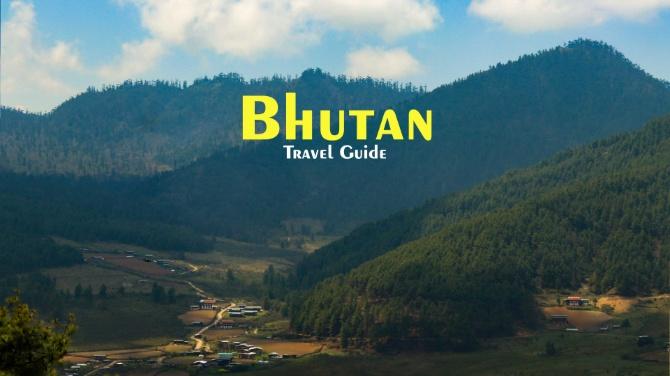
Bhutan, popularly known as the Land of the Thunder Dragon, is one of the most fascinating destinations in the Eastern Himalayas. Located between India and China, this beautiful Himalayan kingdom is known for its snow-covered mountains, peaceful monasteries, green valleys, colourful festivals and distinctive cultural heritage. Unlike destinations focused only on sightseeing, Bhutan offers travellers an opportunity to experience a different way of life, where traditional values, spirituality and environmental conservation remain important.
Whether you are interested in exploring ancient monasteries, discovering local traditions, enjoying scenic mountain roads or planning a motorcycle adventure, Bhutan offers experiences for different types of travellers. With carefully planned Bhutan Tour Packages, visitors can discover the country's historical landmarks, natural beauty and cultural traditions while enjoying a memorable journey.
This Bhutan Travel Guide explains the country's history, culture, famous attractions, traditional food, festivals, best time to visit and essential travel information to help you plan your trip.
History of Bhutan
Bhutan has a rich history shaped by Himalayan geography, Buddhist philosophy and the development of a distinctive national identity. Archaeological findings indicate that people inhabited the region thousands of years ago, while recorded history is closely associated with the arrival and spread of Buddhism.
In the 8th century, the Buddhist spiritual master Guru Padmasambhava, also known as Guru Rinpoche, visited Bhutan and played an important role in establishing Vajrayana Buddhism in the region. His teachings influenced Bhutanese religious practices, monasteries, sacred sites and cultural traditions. Today, Guru Rinpoche remains one of the most respected spiritual figures in Bhutan.
During the 17th century, Zhabdrung Ngawang Namgyal unified different regions and established important foundations for Bhutan's political and religious institutions. The dzongs, or fortified monasteries and administrative centres, developed during this period and remain important symbols of Bhutanese identity.
Bhutan established its hereditary monarchy in 1907 under King Ugyen Wangchuck. In 2008, the country transitioned to a democratic constitutional monarchy, combining its traditional institutions with modern democratic governance.
Tourism officially began in Bhutan in 1974. Since then, the country has gradually welcomed international visitors while emphasising the protection of its natural environment, cultural heritage and local communities.
Understanding this history helps visitors appreciate why Bhutan's monasteries, architecture, festivals and customs continue to play such an important role in everyday life.
Bhutanese Culture and Traditions
Bhutanese culture is deeply influenced by Buddhism, community relationships, traditional arts and respect for nature. Although the country is geographically small, its communities have diverse languages, regional customs, clothing styles and cultural practices.
Traditional Clothing
Traditional Bhutanese clothing is an important part of the country's cultural identity.
-
Gho: A knee-length traditional robe commonly worn by Bhutanese men.
-
Kira: A long, wrapped traditional dress worn by Bhutanese women.
-
Kabney and Rachu: Formal scarves worn on particular occasions, with colours and styles reflecting specific roles or status.
Visitors may see people wearing traditional clothing in government offices, schools, festivals and cultural gatherings.
Architecture and Dzongs
Bhutanese architecture is recognised for its whitewashed walls, wooden windows, decorative paintings and traditional roofs. Dzongs combine religious and administrative functions, reflecting the close historical relationship between spiritual institutions and governance.
Paro Dzong, Punakha Dzong and Trongsa Dzong are notable examples. These buildings are not simply tourist attractions; they remain important centres of religious ceremonies, administration and community life.
Traditional Arts and Crafts
Bhutan preserves thirteen traditional arts and crafts, collectively known as Zorig Chusum. These include weaving, painting, wood carving, sculpture, embroidery, blacksmithing and paper-making.
Visitors can explore museums, craft centres and local markets to learn about these practices and purchase locally produced souvenirs. Supporting local artisans also helps preserve traditional skills for future generations.
- Digital Agency
- Literie
- Location de voitures
- Restaurant
- Restaurant
- Mode
- Mode
- Information
- Marketing
- Tourisme
- Développement
- Découverte
- Législation
- Gastronomie
- Pâtisserie
- Event
- Art
- Causes
- Crafts
- Dance
- Drinks
- Film
- Fitness
- Food
- Games
- Gardening
- Health
- Home
- Literature
- Music
- Networking
- Other
- Party
- Religion
- Shopping
- Sports
- Theater
- Wellness
 English
 Indian
 French
 Arabic
 Spanish
 Portuguese
 Deutsch
 Turkish
 Dutch
 Italiano
 Russian
 Romaian
 Portuguese (Brazil)
 Greek
