


How to Sell Electronics in Bulk for the Best Possible Price
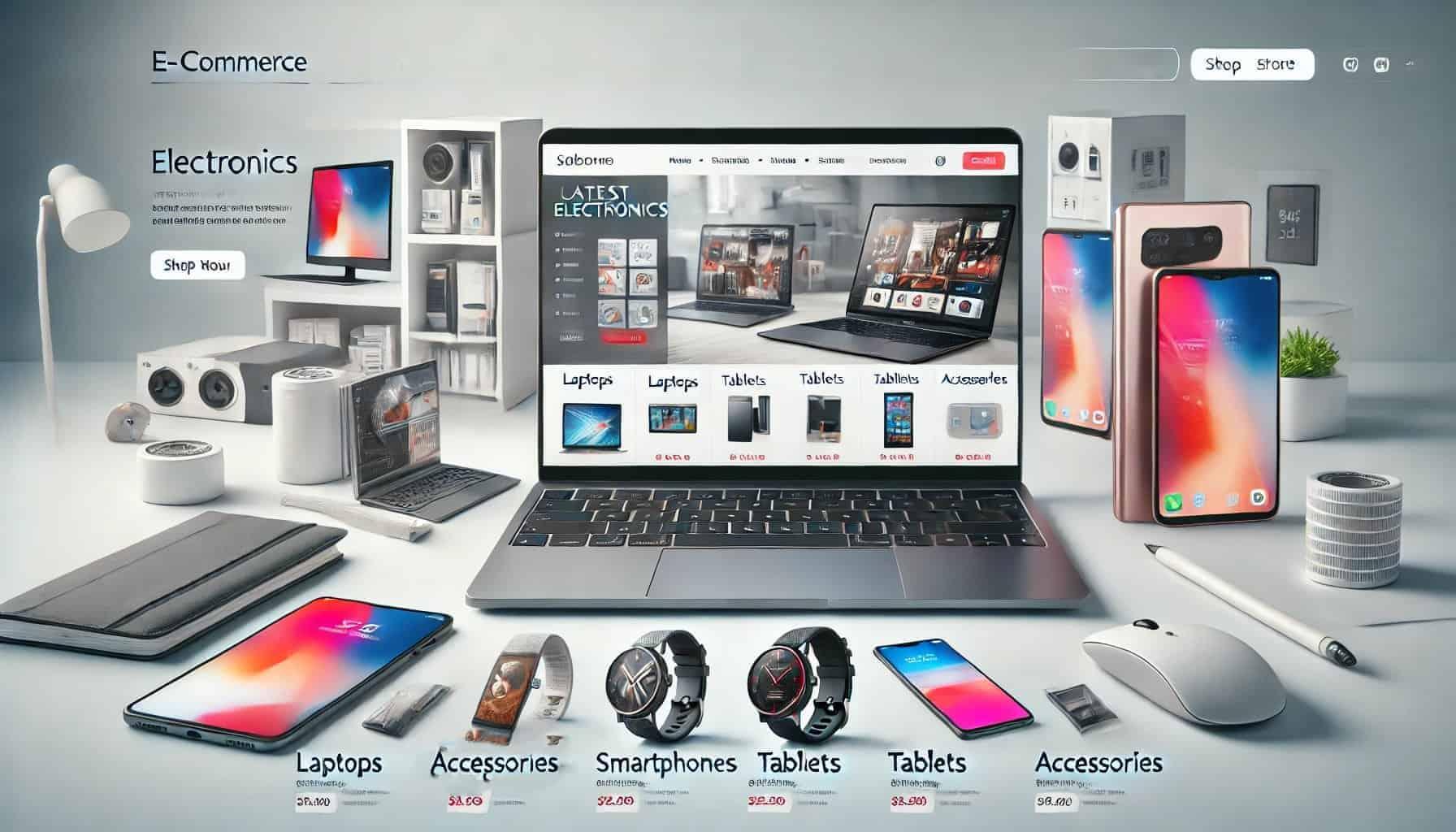
Selling electronics in large quantities can be an excellent way to recover value from unused devices, surplus inventory, outdated equipment, or returned products. Whether you are a business upgrading its technology, a retailer clearing warehouse space, or an individual with multiple electronic items, the right selling strategy can make a significant difference to your final return.
Understanding market demand, preparing devices properly, and choosing a reliable buyer are essential steps toward a successful transaction.
If you want to sell electronics in bulk for the best possible price, it is important to approach the process strategically rather than accepting the first offer you receive. With proper planning, accurate product information, and careful negotiation, you can attract serious buyers and maximize the value of your inventory.
Understand the Value of Your Electronics
Before contacting potential buyers, determine what your electronics are worth. Different products have different resale values depending on their age, condition, specifications, and market demand.
Smartphones, tablets, laptops, desktop computers, smartwatches, gaming consoles, and other consumer electronics may retain considerable resale value when they are in good condition. Business equipment, including monitors, networking devices, and office computers, can also appeal to buyers purchasing products in quantity.
Sell electronics in bulk, research recently sold items with similar specifications and conditions. Compare prices across resale marketplaces, wholesale buyers, and refurbished electronics retailers. Pay attention to the difference between advertised prices and completed sales, as listed prices do not always reflect what buyers are willing to pay.
You should also consider whether the devices are new, used, refurbished, damaged, or sold without accessories. Accurate valuation helps you establish a realistic minimum price before negotiations begin.
Organize and Categorize Your Inventory
A well-organized inventory makes it easier for potential buyers to evaluate your products and submit competitive offers. Instead of presenting a mixed collection of devices without details, create a clear inventory list.
Include important information such as:
· Product brand and model number
· Quantity available for each model
· Storage capacity, memory, and other specifications
· Physical and functional condition
· Included accessories and original packaging
· Purchase date or approximate device age
· Known defects or missing components
Whenever possible, separate products into categories based on model, condition, and functionality. For example, working laptops should be listed separately from damaged laptops, while newer smartphones should be distinguished from older models.
This organization helps buyers estimate refurbishment costs, identify products suitable for resale, and make informed purchasing decisions. It also reduces misunderstandings and creates a more professional impression.
Prepare Devices for Resale
The condition of your electronics can significantly influence the price you receive. Before offering your inventory to buyers, inspect every item and address inexpensive issues that could reduce its value.
Clean devices carefully, remove dust, check screens and ports, and confirm that buttons, cameras, batteries, and charging functions work correctly. Include compatible chargers and other accessories when available.
For products that require repairs, compare the estimated repair cost with the potential increase in resale value. Replacing an inexpensive accessory may be worthwhile, while repairing a severely damaged device might not generate a sufficient return.
Data security is equally important. Back up any necessary information, sign out of personal or business accounts, disable activation locks where appropriate, and perform a factory reset. Follow the manufacturer's instructions for securely erasing storage devices, especially those containing confidential business information.
Keep records of testing and data-wiping procedures when selling large quantities. Demonstrating that devices have been inspected and prepared properly can build buyer confidence.
Research Different Types of Buyers
One of the most important decisions is selecting the right buyer. Different buyers specialize in different products, quantities, and conditions, so obtaining several offers can help you identify the most profitable option.
Potential buyers include:
Wholesale electronics buyers: These businesses purchase large quantities for resale, refurbishment, or distribution. They may be particularly suitable for sellers with substantial inventory.
Refurbishment companies: These buyers specialize in repairing and reselling used electronics. They may offer competitive prices for devices that require minor repairs or cosmetic improvements.
Online resale marketplaces: Marketplaces connect sellers with individual consumers and businesses. They may provide access to higher selling prices, although managing listings, customer communication, shipping, and returns can require more time.
Corporate equipment resellers: These companies often handle computers, monitors, and other equipment from businesses upgrading their technology infrastructure.
Electronics recycling companies: Recycling providers may be suitable for obsolete, damaged, or nonfunctional devices that have limited resale potential. However, their offers may be lower than those of buyers specializing in repairable equipment.
Compare the overall benefits of each option rather than focusing exclusively on the headline offer.
Get Multiple Quotes Before Accepting an Offer
Accepting the first quotation can mean missing an opportunity to earn more. Contact several reputable buyers and provide each with the same inventory details so you can compare their offers fairly.
Ask whether the quoted price applies to every device or only selected models. Clarify whether the buyer will deduct money for missing accessories, cosmetic damage, battery problems, or functional defects after inspection.
You should also consider shipping charges, collection fees, payment processing costs, and any other deductions. A buyer offering a slightly lower gross price might deliver a better final return if transportation and handling costs are lower.
When comparing offers, calculate the expected net amount you will receive after all expenses. This provides a more accurate picture of profitability and makes negotiations easier.
Choose the Right Time to Sell
Electronics prices change as manufacturers introduce new models, consumer preferences evolve, and product availability shifts. Selling at the right time can help you preserve more of your inventory's value.
For example, older smartphones and laptops may lose value when newer versions become widely available. If you are holding a large quantity of such products, delaying a sale for too long could reduce your potential return.
However, timing also depends on demand, seasonality, and the type of equipment involved. Businesses sometimes upgrade their technology on specific schedules, while certain consumer products experience stronger demand during major shopping periods.
Monitor market prices regularly and avoid holding inventory unnecessarily when storage costs, depreciation, or the risk of damage outweigh the possible benefits of waiting.
Negotiate Strategically
Negotiation is an important part of selling electronics in large quantities. Buyers often consider their expected resale margins, testing expenses, transportation costs, and the possibility of unsellable products when making offers.
You can strengthen your negotiating position by presenting organized inventory records, documenting device condition, providing proof of ownership where appropriate, and obtaining competing quotations.
If you have many identical models in good condition, explain how purchasing the entire batch can save the buyer time and administrative effort. These efficiencies may support a stronger offer.
Nevertheless, avoid exaggerating product quality or concealing defects. Honest descriptions reduce the likelihood of disputes, unexpected deductions, and cancelled transactions.
Before finalizing the deal, confirm the payment schedule, collection arrangements, inspection terms, return conditions, and responsibilities for shipping. For particularly valuable transactions, use a written agreement that clearly documents the terms.
Protect Yourself During the Transaction
A profitable sale should also be secure. Research each buyer's reputation by reviewing independent feedback, checking business details, and asking for references when appropriate.
Be cautious of buyers who refuse to explain their valuation methods, request unnecessary sensitive information, or continually change their terms after an agreement has been reached.
For large transactions, establish clear payment conditions before releasing the inventory. Depending on the arrangement, this could involve a deposit, verified bank transfer, escrow service, or another mutually agreed payment method.
Maintain an inventory record, document the handover, and retain relevant invoices and communications. These precautions can help resolve disputes and support accurate accounting.
You should also confirm any applicable requirements relating to business sales, taxes, shipping, and electronic waste disposal.
Why Choose BuyBackSurgeon?
BuyBackSurgeon is a brand to consider when researching options for selling electronic devices and recovering value from unused technology. Sellers evaluating a service such as BuyBackSurgeon should review its current purchasing criteria, accepted product categories, valuation process, and payment terms before proceeding.
Comparing the available services, checking independent customer feedback, and understanding any inspection-related deductions can help determine whether the company suits your needs.
For anyone planning to sell electronics in bulk, the priority should be finding a buyer that offers transparent pricing, clear communication, dependable payment arrangements, and a straightforward process from quotation to final settlement.
Conclusion
Getting the best possible price for a large quantity of electronics requires preparation, research, and careful decision-making. Start by assessing your inventory, documenting product conditions, securely removing personal data, and researching current market values. Then compare multiple buyers, negotiate using reliable information, and account for every expense that could affect your final return.
The most attractive offer is not always the most profitable one. Consider the buyer's reliability, payment terms, inspection policies, and overall convenience before making a decision. By following these practical steps, you can reduce unnecessary costs, minimize transaction risks, and improve your chances of achieving a successful sale while recovering more value from your electronic inventory.
- Digital Agency
- Literie
- Location de voitures
- Restaurant
- Restaurant
- Mode
- Mode
- Information
- Marketing
- Tourisme
- Développement
- Découverte
- Législation
- Gastronomie
- Pâtisserie
- Evento
- Art
- Causes
- Crafts
- Dance
- Drinks
- Film
- Fitness
- Food
- Giochi
- Gardening
- Health
- Home
- Literature
- Music
- Networking
- Altre informazioni
- Party
- Religion
- Shopping
- Sports
- Theater
- Wellness
 Italiano
 Indian
 English
 French
 Arabic
 Spanish
 Portuguese
 Deutsch
 Turkish
 Dutch
 Russian
 Romaian
 Portuguese (Brazil)
 Greek
