


Steps to Implement an Enterprise Risk Management Policy in an Organization
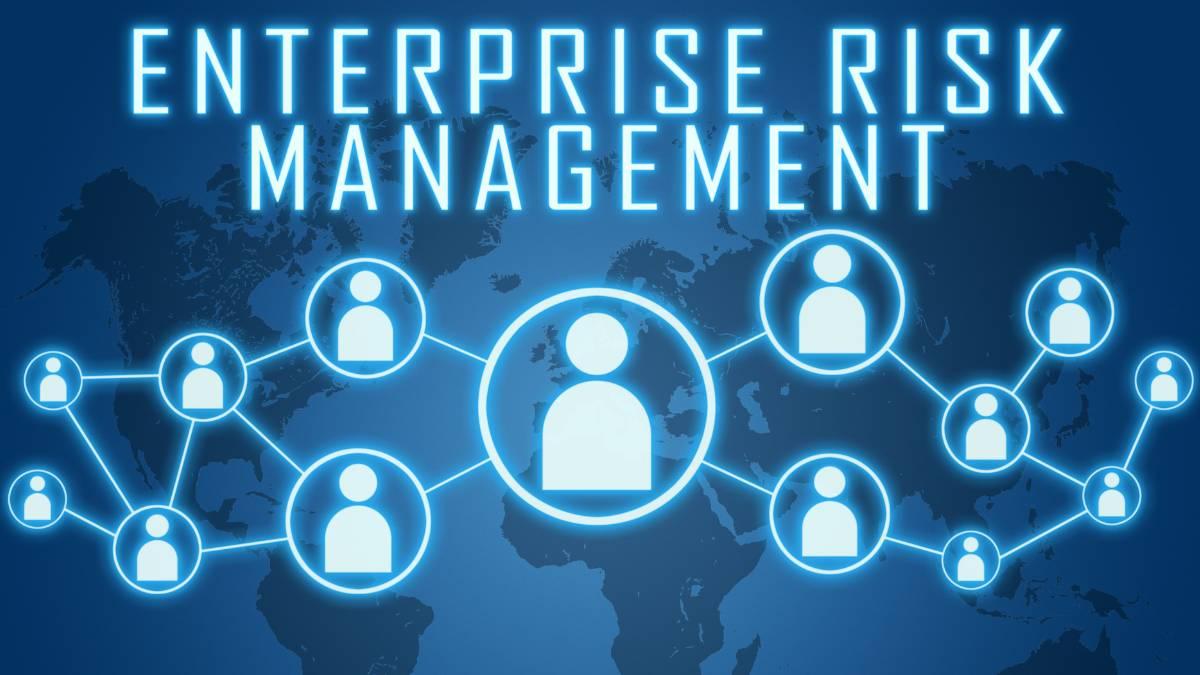
Every organization faces risks that can affect its financial performance, operational efficiency, regulatory compliance, and long-term business objectives. These risks may arise from changing market conditions, financial uncertainty, cybersecurity threats, employee errors, supply chain disruptions, or legal obligations. Without a structured approach to risk management, businesses may struggle to identify potential problems before they cause significant damage.
An Enterprises Risk Management Policy provides a systematic approach to identifying, assessing, monitoring, and controlling risks across an organization. However, preparing a policy document is only the first step. Businesses must implement it effectively to ensure that risk management becomes part of their daily operations and strategic decision-making.
A well-implemented policy helps employees understand their responsibilities, enables management to prioritize important risks, and strengthens corporate governance. This article explains the key steps to implement an enterprise risk management policy and how organizations can maintain an effective risk management process.
What Is an Enterprise Risk Management Policy?
An enterprise risk management policy is a formal document that establishes how an organization identifies and manages risks that could affect its objectives. It defines the principles, responsibilities, reporting requirements, and procedures that guide risk management activities.
The policy generally covers financial, operational, strategic, technological, legal, compliance, and reputational risks. It also explains how risks should be assessed, who is responsible for managing them, and how significant concerns should be reported to management.
For example, a company experiencing rapid growth may face risks related to cash flow, employee capacity, regulatory compliance, and technology infrastructure. An effective policy helps the company identify these risks and establish suitable controls before they affect business performance.
Successful implementation requires coordination between the board of directors, senior management, department heads, employees, and relevant external advisors.
Why Is Implementing an Enterprise Risk Management Policy Important?
A policy delivers value only when its requirements are translated into practical business activities. Proper implementation helps organizations move from reacting to problems toward identifying and managing risks proactively.
Key benefits include:
-
Early risk identification: Helps businesses identify potential threats before they become serious problems.
-
Improved decision-making: Enables management to consider risks when planning investments and business expansion.
-
Stronger internal controls: Establishes consistent procedures for approvals, monitoring, and reporting.
-
Better compliance management: Helps track applicable legal and regulatory obligations.
-
Clear accountability: Defines responsibility for managing and reporting risks.
-
Business continuity: Supports preparation for unexpected disruptions and operational challenges.
These benefits make risk management an important part of business planning and corporate governance.
Step 1: Understand Organizational Objectives
The first step is to understand the organization's strategic goals, operating model, financial position, and business priorities. Risk management should support these objectives rather than operate as a separate administrative activity.
Management should review business plans, budgets, operational processes, growth strategies, and existing governance arrangements.
For example, a manufacturing company planning to increase production may need to consider equipment reliability, employee safety, supplier availability, inventory costs, and quality control. A professional services company may focus more on data security, client contracts, employee capacity, and regulatory compliance.
Understanding these priorities helps the organization identify risks that could prevent it from achieving its goals.
Step 2: Identify Potential Business Risks
After reviewing organizational objectives, the company should identify risks across all relevant departments and business functions.
Risk identification can involve discussions with department heads, employee interviews, internal audit findings, financial reviews, incident reports, customer feedback, and assessments of external market conditions.
Common categories of business risks include:
Financial Risks
These include cash flow shortages, credit defaults, unexpected expenses, investment losses, and inadequate financial planning.
Operational Risks
Operational risks may arise from inefficient processes, equipment failures, employee errors, supplier disruptions, or inadequate internal controls.
Compliance and Legal Risks
These risks relate to failure to meet applicable laws, regulations, contractual obligations, reporting requirements, and industry standards.
Technology and Cybersecurity Risks
Examples include unauthorized access, data loss, system outages, cyberattacks, and weaknesses in information security.
Strategic Risks
Strategic risks may arise from changing customer preferences, increased competition, unsuccessful expansion, or poor investment decisions.
All significant risks should be documented in a risk register so that they can be assessed, assigned, and monitored systematically.
Step 3: Assess and Prioritize Identified Risks
Not every risk requires the same level of attention. Organizations should assess each risk according to its likelihood of occurring and the potential impact on business objectives.
A risk assessment matrix can help management classify risks as low, moderate, high, or critical, using clearly defined criteria.
For example, a temporary delay in a nonessential administrative process may have a limited impact. A major cybersecurity incident or prolonged production shutdown could have much more serious consequences.
The assessment should consider financial losses, operational disruption, legal exposure, customer impact, and reputational damage where relevant.
Management should prioritize risks that exceed established thresholds and determine which require immediate action. The assessment criteria should be consistent enough to support comparisons across departments.
Step 4: Establish Risk Appetite and Tolerance
Risk appetite refers to the amount and type of risk an organization is willing to accept while pursuing its objectives. Risk tolerance describes the acceptable variation or limits around particular risks or performance measures.
The organization should establish these parameters according to its business strategy, financial capacity, stakeholder expectations, and applicable legal requirements.
For example, a company may accept a reasonable level of commercial uncertainty when entering a new market but maintain a very low tolerance for regulatory violations, fraud, or unauthorized access to confidential information.
Clearly defined risk limits help employees and managers understand when a risk can be handled within existing authority and when it must be escalated for further review.
Step 5: Develop Risk Mitigation Strategies
Once risks have been assessed and prioritized, the organization should decide how to address them.
Common risk response strategies include:
-
Risk avoidance: Stop or change an activity that exposes the organization to unacceptable risk.
-
Risk reduction: Introduce controls that reduce the likelihood or impact of a risk.
-
Risk transfer or sharing: Use appropriate insurance, contracts, or other arrangements to transfer or share certain consequences.
-
Risk acceptance: Accept a risk when it falls within approved limits and the potential response costs outweigh the expected benefits.
For example, a business facing the risk of inaccurate financial reporting may introduce regular reconciliations, approval controls, and periodic internal reviews.
Each mitigation measure should have a responsible owner, an implementation deadline, and a method for evaluating effectiveness.
Step 6: Define Roles and Responsibilities
An enterprise risk management policy should clearly explain who is responsible for identifying, assessing, managing, and reporting risks.
The board of directors generally provides oversight of significant risks and the effectiveness of the organization's governance arrangements. Senior management translates approved policies into operational practices and allocates the necessary resources.
Department heads and designated risk owners monitor specific risks, maintain appropriate controls, and report changes in risk exposure. Employees are expected to follow established procedures and raise concerns through the appropriate channels.
Where applicable, risk management committees can support oversight, coordination, and reporting.
Clear accountability helps prevent important risks from being ignored or left unmanaged because responsibilities are unclear.
Step 7: Communicate the Policy and Train Employees
An Enterprises Risk Management Policy should be communicated to the people responsible for applying it. Employees need to understand the purpose of the policy, the risks relevant to their work, and the procedures for reporting concerns.
Organizations can use training sessions, internal presentations, employee handbooks, departmental meetings, and digital resources to explain the policy.
Training should be practical and relevant to each role. Finance employees may need guidance on financial controls, while technology teams may require more detailed procedures for cybersecurity and access management.
Employees should also understand how to escalate serious incidents and report emerging risks. Regular communication helps create a workplace culture in which risk management is viewed as a shared responsibility.
Step 8: Establish Monitoring and Reporting Procedures
Risk management should continue after the policy has been implemented. Businesses need reliable procedures to monitor risk exposure, evaluate controls, and communicate important developments to management.
Useful monitoring activities include periodic risk assessments, internal control testing, compliance reviews, incident reporting, and management dashboards.
Organizations may also establish key risk indicators to identify warning signs. For example, increasing overdue customer payments may indicate growing credit risk, while frequent system interruptions may signal weaknesses in technology infrastructure.
Reporting frequency should reflect the significance of the risk. Critical risks may require immediate escalation, while lower-level risks can be reviewed through routine departmental reporting.
Step 9: Integrate Risk Management Into Business Operations
Risk management is most effective when it forms part of everyday business processes.
Companies should consider risks when preparing budgets, approving investments, selecting suppliers, hiring employees, entering contracts, introducing technology, and planning expansion.
For example, a procurement team can assess supplier reliability before signing a major contract. The finance team can review cash flow implications before approving a large investment, while the compliance team can evaluate relevant regulatory requirements before a new service is launched.
Integrating risk assessments into existing workflows helps businesses make informed decisions without creating unnecessary administrative burdens.
Step 10: Review and Improve the Policy Regularly
Business conditions, technology, regulations, and organizational priorities change over time. Therefore, the risk management policy should be reviewed periodically and whenever significant developments affect the organization's risk profile.
Management should evaluate whether existing controls remain effective, whether new risks have emerged, and whether employees are following established procedures.
Internal audit findings, incidents, regulatory changes, business expansion, and changes in organizational structure may indicate that revisions are necessary.
Updates should be documented, approved by the appropriate authority, and communicated to relevant employees.
Continuous improvement helps ensure that the policy remains practical, relevant, and aligned with business objectives.
Enterprise Risk Management Policy for Indian Companies
Indian companies should implement risk management procedures that reflect their legal structure, industry, business activities, and applicable regulatory requirements.
Relevant considerations may include the Companies Act, 2013, applicable rules, tax obligations, data protection requirements, industry-specific regulations, and SEBI requirements for listed entities.
For example, Section 134(3)(n) of the Companies Act, 2013 addresses the statement in the board's report concerning the development and implementation of a risk management policy, including the identification of elements of risk that may threaten the company's existence. The applicability of specific requirements should be assessed according to the relevant provisions and the company's circumstances.
Listed companies should also review applicable SEBI Listing Obligations and Disclosure Requirements concerning risk management committees, oversight, and disclosures.
Businesses should maintain appropriate documentation, assign compliance responsibilities, and seek professional guidance where legal or regulatory interpretation is required. Not every obligation applies equally to every company, so the implementation approach should be tailored accordingly.
Common Challenges During Implementation
Organizations may face several challenges when implementing an enterprise risk management policy. These include limited employee awareness, inadequate resources, unclear responsibilities, inconsistent risk assessments, and resistance to new procedures.
Some companies also make the mistake of preparing a policy solely to satisfy a documentation requirement without integrating it into everyday operations.
Businesses can address these issues by obtaining management support, providing practical training, assigning clear risk owners, using consistent assessment methods, and monitoring implementation progress.
The policy should be proportionate to the company's size and complexity. A practical system that employees can follow is generally more effective than a complicated document that is rarely used.
Conclusion
Implementing an Enterprises Risk Management Policy requires more than preparing a formal document. Organizations must identify relevant risks, assess their potential impact, establish suitable controls, assign responsibilities, train employees, and monitor results regularly.
When integrated into everyday operations and strategic planning, the policy can strengthen corporate governance, improve decision-making, support compliance, and increase business resilience.
For Indian companies, implementation should reflect applicable legal requirements and the organization's specific risk exposure. Businesses seeking support with risk assessments, policy development, internal controls, or compliance procedures can consult experienced professional advisors to develop a structured and practical risk management system.
A consistent approach to risk management helps organizations prepare for uncertainty, protect their resources, and build a stronger foundation for sustainable business growth.
- Digital Agency
- Literie
- Location de voitures
- Restaurant
- Restaurant
- Mode
- Mode
- Information
- Marketing
- Tourisme
- Développement
- Découverte
- Législation
- Gastronomie
- Pâtisserie
- Etkinlik
- Art
- Causes
- Crafts
- Dance
- Drinks
- Film
- Fitness
- Food
- Oyunlar
- Gardening
- Health
- Ana sayfa
- Literature
- Music
- Networking
- diğer
- Party
- Religion
- Shopping
- Sports
- Theater
- Wellness
 Turkish
 Indian
 English
 French
 Arabic
 Spanish
 Portuguese
 Deutsch
 Dutch
 Italiano
 Russian
 Romaian
 Portuguese (Brazil)
 Greek
