


Bunions, Tailor’s Bunions and Heel Pain: Treatment Options Explained
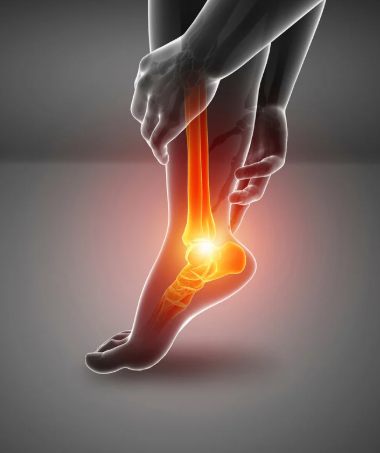
Few things make a shoe shop feel like a battlefield quite like a bunion. A bump on the side of the foot that rubs, throbs and refuses to fit anywhere. And then there is the heel pain that greets you out of bed every morning, as if the floor had turned to gravel.
Bunions and heel pain are among the most common foot complaints, and they are often treated far later than they should be. This guide explains what is going on, what you can try at home and when expert help makes sense.
Understanding Bunions
A bunion is a bony bump at the base of the big toe. It forms when the big toe drifts towards the smaller toes and the joint at its base pushes outwards. The medical term is hallux valgus.
Common signs:
-
A visible bump on the inner side of the foot
-
Redness, swelling or soreness over the bump
-
The big toe angling towards the second toe
-
Corns or calluses where toes overlap or rub
-
Pain that is worse in tight or narrow shoes
-
Stiffness or aching in the big toe joint
Why they develop. Bunions often run in families, because foot shape is inherited. Footwear does not usually create a bunion from nothing, but narrow, pointed or high-heeled shoes can make one more painful and progress faster. Flat feet, loose joints and certain inflammatory conditions can also play a part.
Treatment for Bunions: Where to Start
A sensible treatment for bunions plan starts with relieving pain and pressure. These steps will not straighten the toe, but they can make life far more comfortable:
-
Roomier shoes. Choose a wide, deep toe box and soft uppers. This is the single biggest improvement for most people.
-
Protective padding. Silicone pads or shields reduce friction over the bump.
-
Toe spacers. Separating the toes can ease pressure between them.
-
Orthotics or insoles. They can improve foot mechanics and reduce strain.
-
Pain relief. Over-the-counter options may help during flare-ups, but check what suits you.
-
Ice and rest after a long day, if it soothes the area.
-
Foot and calf exercises, to keep the joint moving and the muscles working.
It is worth being honest: no splint, pad or exercise has been shown to permanently straighten a bunion once it has formed. The aim of non-surgical care is comfort and slowing progression.
When Surgery May Be Considered
Surgery is generally discussed when a bunion causes persistent pain despite appropriate footwear and other measures, interferes with daily activities, causes recurrent problems such as ulcers, or is steadily getting worse and affecting the neighbouring toes.
There are many different procedures, chosen according to the angle of the toe, the shape of the foot, whether the joint is stiff and the person’s age and lifestyle. Newer techniques, including minimally invasive approaches, are available for some patients. A specialist will explain which is suitable, the recovery time, the risks and what to expect afterwards.
Bunion surgery is not a cosmetic decision for most people. It is about reducing pain and getting back to walking, work and the activities you enjoy.
What About a Tailor’s Bunion?
A tailor’s bunion, also called a bunionette, is a similar bump on the outer side of the foot, at the base of the little toe. The name comes from tailors who used to sit cross-legged for hours with the outer edge of their feet pressed against the floor.
The symptoms will sound familiar: a sore, red or swollen lump that rubs on shoes, sometimes with a callus over it. It is often linked to the shape of the foot or the little toe bone.
If you are looking at tailor’s bunion treatment, the approach mirrors that for bunions:
-
Wider shoes that do not squeeze the outer foot
-
Padding over the bump
-
Orthotics or insoles, if foot mechanics contribute
-
Pain relief and activity adjustments during flare-ups
-
Surgical correction if pain persists despite good non-surgical care
Because the little toe area is small and sensitive, even slightly tight shoes can cause trouble, so shoe fit matters a great deal.
Understanding Plantar Fasciitis
The plantar fascia is a thick band of tissue running from your heel along the sole of your foot. It supports your arch and absorbs shock. When it becomes irritated or overloaded, you get heel pain that is typically worst with the first steps in the morning or after sitting for a while.
Common contributors:
-
Long hours standing or walking
-
Sudden increases in activity
-
Worn or unsupportive footwear
-
Tight calf muscles
-
Flat feet or high arches
-
Extra body weight placing load on the foot
Plantar Fasciitis Treatment: What Helps
Most people improve with consistent, conservative care. A good plantar fasciitis treatment plan usually includes:
-
Calf and plantar fascia stretches, done regularly
-
Supportive footwear with good cushioning and arch support
-
Insoles or heel supports to redistribute pressure
-
Activity changes, reducing the things that aggravate pain without stopping altogether
-
Strengthening and physiotherapy for the foot and lower leg
-
Weight management, where relevant, to reduce load
-
Further options such as shockwave therapy or injections in selected cases, usually after simpler measures have been tried
Patience is the key. Plantar fasciitis can take months to settle completely, and quick fixes rarely last. Surgery is rarely needed and is considered only after a long period of well-structured non-surgical care.
How These Problems Connect
Bunions and plantar fasciitis often travel together. A bunion can change how you push off the foot, altering the load on the arch and heel. Likewise, favouring a sore heel can strain the forefoot. That is one reason a proper assessment of the whole foot is more useful than treating one spot in isolation.
Choosing Shoes That Help
Shoes are the single most useful tool you have.
-
Measure your feet regularly. Size can change with age and over the years.
-
Shop later in the day, when feet are slightly swollen.
-
Check the toe box. Your toes should be able to spread without being squeezed.
-
Look for support. A firm heel counter and a cushioned, supportive sole help heel pain.
-
Avoid very flat, thin-soled shoes if you have heel pain.
-
Limit high heels and pointed styles.
-
Replace worn shoes before the cushioning collapses.
Self-Care Routine You Can Start Today
-
Morning: gentle calf and foot stretches before taking your first steps
-
During the day: supportive footwear, short breaks off your feet if possible
-
Evening: gentle massage or rolling the arch, and a short rest with your feet raised
-
Weekly: check your shoes and feet for pressure marks or skin changes
When to See a Specialist
-
Pain lasts more than a few weeks despite home care
-
The bump is growing or the toe is shifting
-
Skin over the bunion is broken, infected or very red
-
You cannot find shoes that fit
-
Heel pain is severe, getting worse or affecting your walking
-
You have diabetes, numbness or circulation problems
-
Pain disrupts your sleep or your work
A specialist can examine your gait, shoes and foot structure, arrange imaging if needed and build a plan around you.
Common Mistakes
-
Buying narrow shoes “to fit the bump”
-
Expecting pads or splints to correct a bunion permanently
-
Stopping stretches as soon as heel pain eases
-
Walking barefoot on hard floors with sore heels
-
Delaying help until walking becomes difficult
-
Self-treating with unproven gadgets
Final Thoughts
Bunions, tailor’s bunions and plantar fasciitis are common, treatable and nothing to be embarrassed about. The earlier you act, the more options you have, and many people are pleasantly surprised at how much improvement comes from good footwear, the right support and a patient routine.
If you would like personalised advice, you can read more about bunion care or learn more about plantar fasciitis care and arrange an assessment.
FAQs
1. Can a bunion be corrected without surgery? Non-surgical measures can ease pain and slow progression, but they do not permanently straighten a bunion. Surgery is the only way to correct the alignment.
2. When should I consider bunion surgery? When pain persists despite suitable footwear and other measures, or the bunion affects daily life or causes recurring problems.
3. What is a tailor’s bunion? It is a bony bump at the base of the little toe on the outer side of the foot, also known as a bunionette.
4. Do bunions run in families? Often yes. Foot shape is inherited, though footwear can make symptoms worse.
5. How long does plantar fasciitis last? Many people improve over several weeks to a few months with consistent care, though some cases take longer.
6. Are stretches really helpful for heel pain? Yes, regular calf and plantar fascia stretches are widely recommended. Consistency matters more than intensity.
7. Is surgery common for plantar fasciitis? No. It is rarely needed and considered only after prolonged non-surgical treatment.
8. Which shoes are best for bunions and heel pain? Look for a roomy toe box, firm heel support, good cushioning and a secure fit, while avoiding narrow, pointed or very flat shoes.
- Digital Agency
- Literie
- Location de voitures
- Restaurant
- Restaurant
- Mode
- Mode
- Information
- Marketing
- Tourisme
- Développement
- Découverte
- Législation
- Gastronomie
- Pâtisserie
- Event
- Art
- Causes
- Crafts
- Dance
- Drinks
- Film
- Fitness
- Food
- Παιχνίδια
- Gardening
- Health
- Κεντρική Σελίδα
- Literature
- Music
- Networking
- άλλο
- Party
- Religion
- Shopping
- Sports
- Theater
- Wellness
 Greek
 Indian
 English
 French
 Arabic
 Spanish
 Portuguese
 Deutsch
 Turkish
 Dutch
 Italiano
 Russian
 Romaian
 Portuguese (Brazil)
