


Are accessible sightseeing options available in a South America Group Tours?
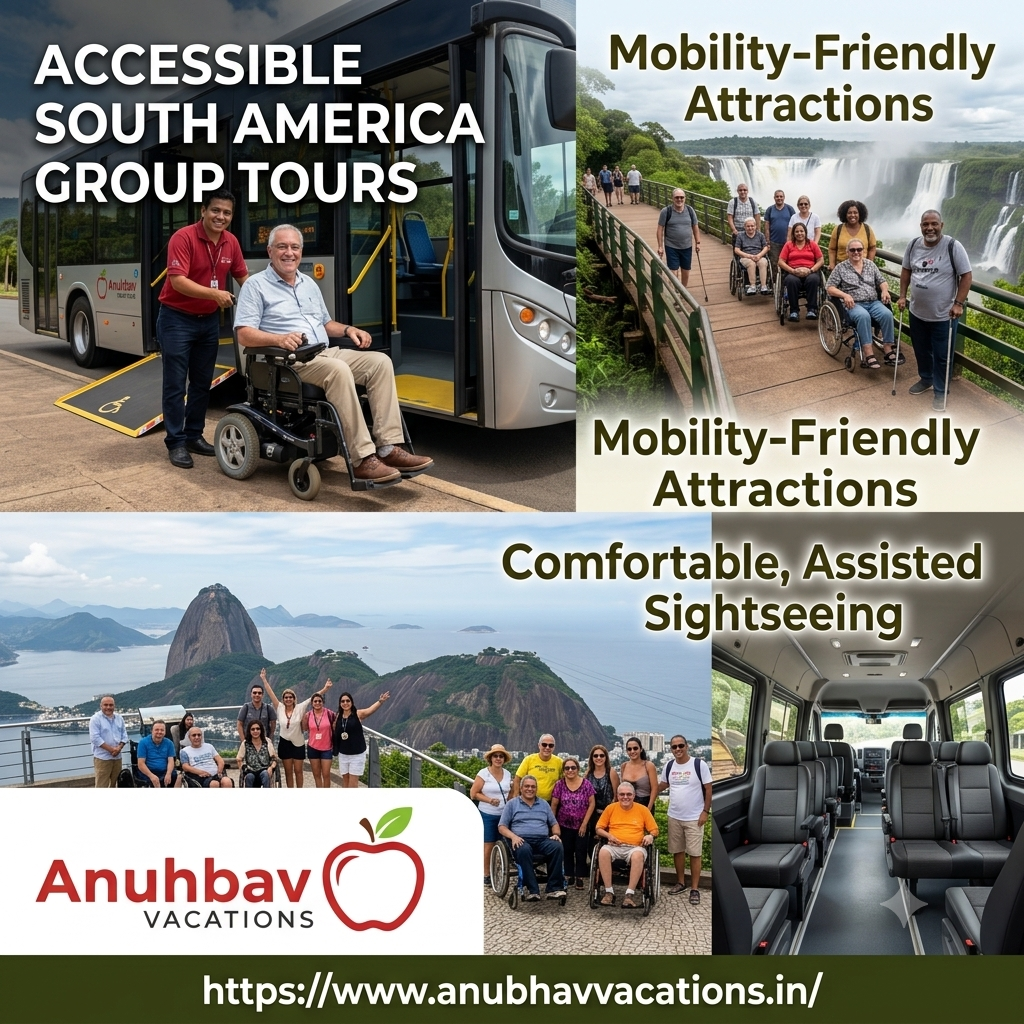
INTRODUCTION
South America is a fascinating destination filled with ancient archaeological sites, vibrant cities, breathtaking mountains, tropical rainforests, and spectacular coastlines. For travelers with mobility challenges, older adults, and people who prefer comfortable sightseeing experiences, accessibility is an important consideration when planning an international holiday. South America Group Tours can include accessible sightseeing options, depending on the destinations, transportation arrangements, accommodation facilities, and activities selected. Major cities such as Buenos Aires, Santiago, and Rio de Janeiro offer a range of museums, urban attractions, accessible cultural experiences, and guided excursions that may suit travelers with different mobility requirements. However, accessibility varies considerably across the continent, particularly in remote regions, historic districts, mountainous areas, and archaeological locations.
A carefully planned group tour can make exploring South America more convenient by organizing transportation, guided visits, accommodation, and sightseeing schedules in advance. Travelers can enjoy cultural attractions, city landmarks, scenic viewpoints, and selected natural destinations without necessarily undertaking strenuous hikes or physically demanding excursions. Understanding accessibility requirements before departure helps travelers choose suitable experiences and enjoy a more comfortable journey.
Understanding Accessibility in South America
Accessibility refers to how easily people with different physical, sensory, or mobility requirements can access transportation, accommodation, attractions, and public facilities. In South America, accessibility standards and infrastructure differ between countries, cities, and individual tourist destinations.
Large urban centers generally provide more options than isolated rural communities. Modern museums, shopping districts, cultural centers, and selected public attractions may offer ramps, elevators, accessible restrooms, step-free entrances, or other supportive facilities. Nevertheless, these features should be confirmed individually rather than assumed.
Historic city centers can present additional challenges because of cobblestone streets, uneven pavements, steep slopes, and older buildings without elevators. Natural attractions may involve gravel paths, stairs, boat transfers, or uneven ground. Even when an attraction is advertised as accessible, the complete route from transportation to the entrance and through the visitor facilities may not be suitable for every traveler.
For this reason, accessibility planning should focus on the entire sightseeing experience, including walking distances, resting opportunities, transfer arrangements, and the availability of assistance.
How Group Tours Can Support Travelers With Accessibility Needs
Group travel can simplify the logistics of an international holiday, particularly when transportation, accommodation, and sightseeing reservations are arranged in advance. However, a standard group tour is not automatically accessible. Travelers should confirm that the tour's pace, vehicles, accommodation, and planned attractions match their requirements.
A well-organized itinerary may offer several advantages:
-
Pre-arranged transportation: Suitable vehicles and transfers can reduce the need for long walks between attractions.
-
Planned sightseeing schedules: Shorter visits and additional rest periods can make days more comfortable.
-
Advance coordination: Tour organizers can contact hotels and attractions to check entrances, elevators, accessible restrooms, and seating arrangements.
-
Alternative activities: Travelers can choose less physically demanding options when an excursion involves stairs, uneven terrain, or strenuous walking.
-
Guided assistance: Knowledgeable guides can help explain routes, coordinate meeting points, and communicate practical requirements.
Travelers should discuss their needs before confirming a booking. For example, a person using a wheelchair may require a vehicle with a suitable ramp or lift, while someone who has difficulty standing for long periods may need frequent seating opportunities.
It is also important to clarify whether assistance is provided by the tour operator, attraction staff, or a personal companion. Not every tour includes hands-on mobility assistance.
Accessibility in Popular South American Destinations
South America includes several countries with different transport systems, infrastructure, and visitor facilities. Choosing destinations carefully can make a significant difference to the overall experience.
|
Destination |
Potential sightseeing options |
Important considerations |
|---|---|---|
|
Buenos Aires, Argentina |
Museums, cultural venues, city squares |
Cobblestones, building entrances, and pavement conditions |
|
Santiago, Chile |
Museums, plazas, urban cultural attractions |
Slopes, transfers, and access at individual venues |
|
Rio de Janeiro, Brazil |
Waterfront areas, cultural attractions, selected viewpoints |
Crowds, steep terrain, and boarding arrangements |
|
Montevideo, Uruguay |
Waterfront promenade, museums, historic areas |
Uneven paving and accessible restroom availability |
|
Lima, Peru |
Museums, coastal viewpoints, selected city tours |
Historic streets, curbs, and access to specific attractions |
These are potential sightseeing options rather than guarantees that every listed attraction is fully accessible. Travelers should obtain current, attraction-specific information before booking.
Can South America Group Tours Include Machu Picchu and Other Famous Attractions?
Yes, some famous South American attractions can be included in an itinerary, but accessibility limitations must be considered carefully.
Machu Picchu in Peru, for example, is an extraordinary archaeological destination with steep terrain, stone steps, uneven pathways, and restricted visitor routes. It is not generally suitable for independent wheelchair access throughout the main archaeological circuit. Travelers with mobility limitations should seek current official guidance about permitted routes, assistance, and the specific facilities available.
Similarly, the Iguazu Falls region offers spectacular waterfalls and designated visitor walkways, but accessibility varies between routes and viewing areas. Some paths may be more suitable than others, and weather conditions can affect walking surfaces.
In Patagonia, scenic drives and selected visitor areas may provide opportunities to enjoy mountain and glacier landscapes without undertaking strenuous treks. Nevertheless, boat boarding, gravel paths, steep gradients, and remote facilities require advance assessment.
The most effective approach is to select experiences according to individual ability and comfort rather than assuming every famous attraction will be fully accessible.
Planning South America Holiday Packages From Mumbai
For travelers departing from India, accessibility planning should begin well before flights are booked. Long-haul journeys, airport transfers, connecting flights, and differences in local infrastructure can influence the comfort of the entire holiday.
When considering South America Holiday Packages From Mumbai, travelers should discuss the following details with their tour operator:
1. Flight and airport assistance
Check wheelchair assistance, boarding arrangements, connection times, and the procedures for transporting mobility equipment. Request assistance from the airline in advance where needed.
2. Accessible accommodation
Confirm step-free entry, elevator dimensions, bathroom layout, shower access, bed height, and the availability of grab rails if required. A hotel's general accessibility statement may not cover every room.
3. Suitable transportation
Ask whether vehicles have wheelchair lifts or ramps where necessary, adequate space for mobility aids, and safe boarding arrangements. Standard sightseeing coaches may not accommodate every mobility requirement.
4. Realistic daily schedules
Allow time for rest, meals, bathroom breaks, and unexpected delays. A smaller number of carefully chosen attractions may provide a better experience than a tightly packed itinerary.
5. Medical and travel preparation
Travelers who require mobility equipment, prescription medicines, or special assistance should check airline requirements and travel insurance coverage before departure.
By addressing these practical matters early, travelers can make informed decisions and reduce avoidable difficulties during their trip.
Choosing South America Tour Packages From Mumbai
The right itinerary should balance sightseeing interests with comfort, accessibility, and available travel time. Travelers do not need to visit every country to experience the continent's cultural richness.
A city-focused journey through Buenos Aires, Santiago, and Montevideo may be easier to coordinate for some travelers than a multi-country expedition involving remote mountain destinations and frequent transfers. Others may prefer a combination of accessible urban attractions and selected nature experiences, provided the routes and facilities have been checked.
When comparing South America Tour Packages From Mumbai, ask for a detailed day-by-day itinerary rather than relying on a general description. Request information about walking distances, stairs, terrain, vehicle types, and the availability of seating at each planned stop.
It is also worth asking whether the tour operator can arrange a private vehicle, an adjusted sightseeing schedule, or alternative activities for excursions that are unsuitable for your needs. Any extra costs should be clarified before confirming the booking.
Most importantly, accessibility requirements differ from person to person. A route that works for someone who uses a walking stick may not be appropriate for a full-time wheelchair user. Clear communication helps ensure that recommendations reflect the traveler's actual needs.
Best Time to Plan an Accessible South American Holiday
The best travel period depends on the countries and activities included in the itinerary. South America spans multiple climate zones, so weather conditions can vary significantly between destinations.
Buenos Aires and Santiago generally experience warmer summer weather from December to February, while winter falls between June and August. Rio de Janeiro has a tropical climate, and rainfall and humidity can influence outdoor sightseeing. The Andes and Patagonia have their own seasonal patterns, with some routes and excursions operating differently throughout the year.
Travelers who prefer cooler temperatures may wish to compare spring and autumn dates for suitable city destinations. However, the best choice depends on local conditions, attraction opening times, and the accessibility of the specific route.
Before booking, check seasonal transport arrangements, anticipated walking conditions, and the availability of indoor alternatives. Flexible scheduling is particularly useful for travelers who need extra time or prefer to avoid extreme heat, heavy rain, or icy paths.
Responsible and Comfortable Sightseeing
Accessible travel is not only about physical infrastructure. It also involves respectful communication, reliable information, and giving travelers the freedom to enjoy attractions at a suitable pace.
Travelers should feel comfortable asking questions about facilities and requesting reasonable adjustments before departure. Tour operators, hotels, airlines, and attractions can provide different forms of support, but their services should be confirmed rather than assumed.
When visiting historic neighborhoods, archaeological sites, and natural landscapes, follow designated routes and local instructions. If a path is unsuitable, a nearby viewpoint, museum, cultural performance, or guided city experience may offer a worthwhile alternative.
A flexible itinerary allows travelers to experience South America's history, food, architecture, and landscapes without making strenuous activities the central focus of the trip.
Conclusion
Accessible sightseeing options are available across several South American destinations, although facilities and mobility requirements vary between attractions. With suitable transportation, carefully selected accommodation, flexible schedules, and advance accessibility checks, travelers can enjoy museums, cultural landmarks, waterfront promenades, and selected natural attractions with greater confidence. Before booking, it is essential to confirm the specific facilities and services included in the itinerary. Anubhav Vacations can help travelers explore suitable itinerary options and plan a South American holiday that prioritizes comfort, cultural discovery, and individual accessibility needs.
Frequently Asked Questions (FAQs)
1. Are accessible sightseeing options available in South America group tours?
Yes, selected itineraries can include museums, city landmarks, waterfront promenades, cultural attractions, and guided sightseeing routes with accessible facilities. Availability depends on the destination and the traveler's individual requirements.
2. Which South American destinations are suitable for accessible sightseeing?
Buenos Aires, Santiago, Rio de Janeiro, and Montevideo offer potential options for accessible urban sightseeing. Travelers should confirm access arrangements for individual attractions, hotels, and transportation services before booking.
3. Can wheelchair users visit famous attractions in South America?
Some attractions provide accessible entrances, designated routes, or assistance, but access varies considerably. Sites with steep steps, uneven terrain, or remote locations may have significant limitations. Check official visitor guidance before planning a visit.
4. Can South America Travel Packages From Mumbai accommodate travelers with mobility needs?
Yes, South America Travel Packages From Mumbai can be planned around suitable accommodation, accessible transfers, manageable sightseeing schedules, and selected attractions. Travelers should communicate their requirements before confirming the itinerary.
5. What should travelers check before booking an accessible South American holiday?
Confirm wheelchair access where needed, vehicle arrangements, hotel bathroom facilities, walking distances, restroom availability, attraction entry conditions, and the availability of assistance. Ask for written confirmation of essential accessibility arrangements.
- Digital Agency
- Literie
- Location de voitures
- Restaurant
- Restaurant
- Mode
- Mode
- Information
- Marketing
- Tourisme
- Développement
- Découverte
- Législation
- Gastronomie
- Pâtisserie
- Evento
- Art
- Causes
- Crafts
- Dance
- Drinks
- Film
- Fitness
- Food
- Juegos
- Gardening
- Health
- Inicio
- Literature
- Music
- Networking
- Otro
- Party
- Religion
- Shopping
- Sports
- Theater
- Wellness
 Spanish
 Indian
 English
 French
 Arabic
 Portuguese
 Deutsch
 Turkish
 Dutch
 Italiano
 Russian
 Romaian
 Portuguese (Brazil)
 Greek
