


Hammer Toe Treatment: Causes, Options and Recovery
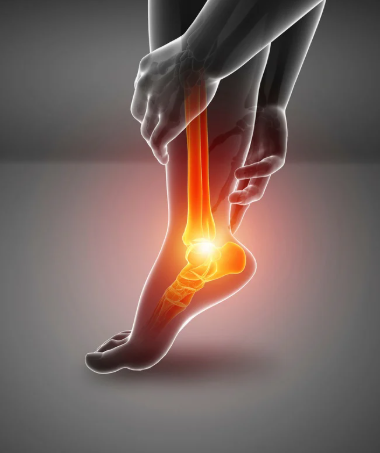
A toe that bends upwards at the middle joint and rubs against your shoe is more than a cosmetic nuisance. It can cause corns, soreness and trouble finding comfortable footwear. This is a hammer toe, and it is one of the most common forefoot problems. The reassuring part is that there are practical solutions at every stage. Here is a clear guide to what causes it and how hammer toe treatment works, from simple home measures to a small corrective procedure.
What Is a Hammer Toe?
A hammer toe is a toe that stays bent at the middle joint, so it looks like a small hammer or claw. It usually affects the second, third or fourth toe. The bend happens because the tendons and small muscles that hold the toe straight become unbalanced, pulling the joint into a fixed position. Over time the top of the bent joint can rub on the shoe, while the tip of the toe may press into the sole of the shoe.
Why Do Hammer Toes Develop?
Several things can contribute. Shoes that are too short or narrow squash the toes into a bent position. Foot shape matters too, particularly a long second toe or a high arch. Bunions often crowd the neighbouring toe, and conditions affecting nerves or muscles, as well as inflammatory arthritis, can change the balance of the toe. Past injury is another possible trigger.
Symptoms to Look Out For
• A toe bent at the middle joint, like a hammer or claw
• Corns on top of the toe or calluses on the tip or underneath
• Pain or irritation when wearing shoes
• Redness or swelling around the bent joint
• Difficulty straightening the toe, or pain when you try
Flexible or Rigid: Why It Matters
The key question is whether the toe can still be straightened by hand. A flexible hammer toe can be moved back into position, which means it is usually caught early and responds well to simple care. A rigid hammer toe is fixed in place because the joint has stiffened. It tends to need a different approach, so the choice of treatment for hammer toe depends heavily on which type you have.
Non-Surgical Options
Most early cases improve without an operation. Helpful steps include:
• Shoes with a deep, wide toe box and a low or flat heel
• Soft pads or sleeves to cushion corns and relieve pressure
• Silicone toe props or splints that gently support the toe
• Insoles or orthotics to ease pressure under the ball of the foot
• Toe stretching and strengthening exercises, such as picking up a towel with your toes
If more than one toe is affected, appropriate hammer toes treatment often combines these measures with footwear changes across both feet. Consistency matters; the benefits build over weeks, not days.
When Surgery Is Considered
If pain persists, corns keep returning or the toe is rigid and stops you wearing normal shoes, a small operation may be worth discussing. For a flexible toe, surgeons can rebalance the tendons. For a rigid toe, the procedure usually involves straightening the joint and holding it in position while it heals. These are generally day-case procedures and are often done under local or regional anaesthetic, though your surgeon will advise what is best for you.
Recovery After Treatment
After surgery most people walk in a protective shoe fairly soon, with swelling settling over several weeks. A small pin is sometimes used temporarily to hold the toe straight. Keeping the foot elevated early on and following the wound and rehabilitation advice give the best chance of a smooth recovery.
Simple Things You Can Do at Home
Small daily habits can take pressure off a bent toe and keep the joint moving. Try these for a few minutes each day:
• Gently stretch the toe upwards and downwards with your fingers if it is still flexible
• Pick up marbles or a small towel with your toes to strengthen the small muscles
• Go barefoot at home on a safe surface to let your toes spread
• Check your shoe size every year, as feet change over time
Stop any exercise that causes sharp pain, and avoid cutting corns yourself or using medicated corn plasters without advice, as these can damage healthy skin.
What Happens If You Leave It?
A flexible toe that is ignored can slowly stiffen into a rigid one. Pressure on the top of the joint may lead to painful corns, skin breakdown and in some cases infection, particularly in people with diabetes or poor circulation. These patients should always seek advice early rather than waiting. The longer a toe stays bent, the fewer simple options remain, which is why early attention pays off.
Frequently Asked Questions
Can a hammer toe straighten on its own?
A hammer toe will not correct itself, but a flexible toe caught early often improves well with proper footwear, padding and exercises.
Are hammer toes caused by tight shoes?
Tight shoes can cause or worsen the bend, but foot shape, tendon balance and other conditions also play a part.
Is hammer toe surgery painful?
Most people have manageable discomfort, controlled with pain relief and elevation. Your surgical team will explain what to expect.
How long does recovery take?
Walking in a protective shoe is usually possible early, with swelling taking several weeks, sometimes longer, to settle fully.
When should I see a specialist?
If the toe is painful, rigid, causing recurring corns or limiting your footwear, an assessment is a good idea.
Final Thoughts
A hammer toe is easier to manage when it is flexible, so earlier is better. Roomier shoes, simple padding and a few daily exercises solve many problems, and a short procedure can help when they do not. If your toes are painful or stiffening, book an assessment so you can choose the right option with confidence.
- Digital Agency
- Literie
- Location de voitures
- Restaurant
- Restaurant
- Mode
- Mode
- Information
- Marketing
- Tourisme
- Développement
- Découverte
- Législation
- Gastronomie
- Pâtisserie
- مناسبة
- Art
- Causes
- Crafts
- Dance
- Drinks
- Film
- Fitness
- Food
- الألعاب
- Gardening
- Health
- الرئيسية
- Literature
- Music
- Networking
- أخرى
- Party
- Religion
- Shopping
- Sports
- Theater
- Wellness
 Arabic
 Indian
 English
 French
 Spanish
 Portuguese
 Deutsch
 Turkish
 Dutch
Dutch
 Italiano
 Russian
 Romaian
 Portuguese (Brazil)
 Greek
Greek
