


How to Improve Data Transmission Reliability in 4G Water Level Monitoring Systems
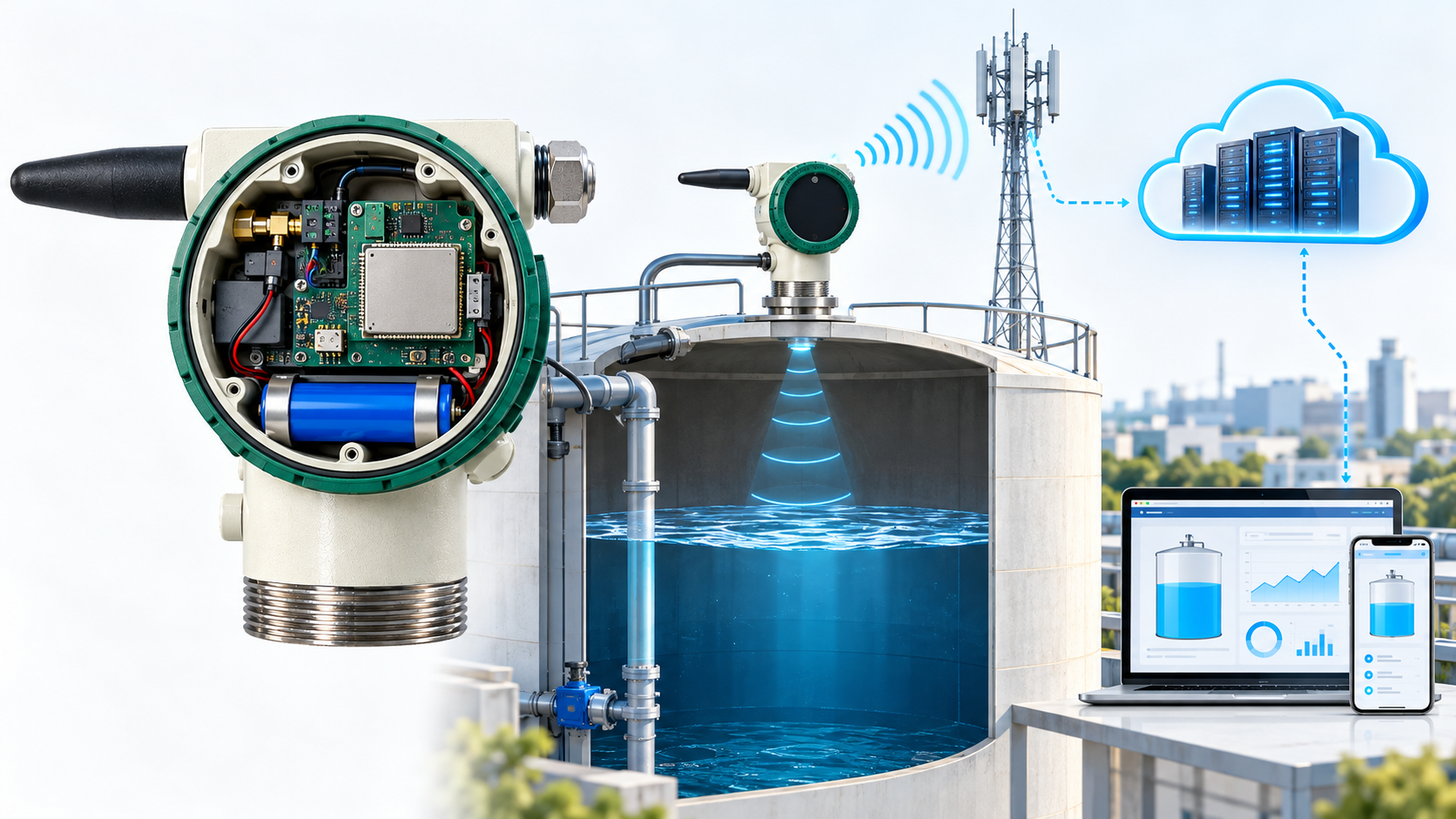
Reliable data transmission is essential for modern water monitoring systems. Residential apartments, commercial buildings, industrial facilities, and water management operators rely on accurate water-level information to monitor storage tanks, identify low-water conditions, and respond to potential overflows. However, poor cellular coverage, network interruptions, power fluctuations, and communication errors can affect the timely delivery of sensor readings.
A 4G Water Level Sensor helps measure water levels and transmit readings to a remote monitoring platform through a cellular network. To make this process dependable, the entire communication chain—from the sensor and cellular connection to the cloud platform and user dashboard—must be designed and maintained properly.
By combining reliable connectivity, appropriate hardware, communication monitoring, and Smart Water Management practices, organisations can improve the availability and usefulness of water-level data. Platforms such as MyTank Monitoring can support remote visibility into water storage conditions, depending on the selected configuration and available connectivity features.
What Is Data Transmission in a 4G Water Level Monitoring System?
Data transmission is the process of sending water-level readings from a field device to a remote platform where users can view and analyse the information.
A typical 4G water monitoring architecture includes the following components:
-
Water-level sensor: Measures the water level inside an overhead tank, underground sump, or other storage tank.
-
Communication module: Prepares the reading for transmission over a supported cellular connection.
-
4G cellular network: Carries the data from the device to the remote service.
-
Cloud platform: Receives and processes the readings and makes supported information available to applications.
-
Monitoring dashboard: Displays tank levels, device status, and other available information to authorised users.
The sensor measures the water level, while 4G provides the communication pathway. The reliability of the complete system depends on the sensor, device configuration, cellular network, server availability, and software handling the data.
Common Causes of Data Transmission Problems
Before improving transmission reliability, it is important to understand what can interrupt communication.
Weak Cellular Signal
Water tanks may be located in basements, underground utility rooms, rooftop enclosures, or industrial areas with limited cellular reception. Thick concrete walls, metal enclosures, and surrounding structures can weaken the signal.
A weak signal may cause delayed readings, repeated transmission attempts, or temporary disconnections.
Network Congestion and Outages
Cellular network performance can vary by location and time. Network congestion, maintenance, and service interruptions may prevent a device from sending readings immediately.
Even when a sensor operates correctly, a temporary network issue can interrupt communication with the cloud platform.
Power Supply Interruptions
A monitoring device may lose connectivity if its power supply becomes unstable or its battery becomes depleted. This is particularly relevant for installations where the sensor and communication module operate continuously or transmit data frequently.
Incorrect Device Configuration
Incorrect network settings, unsupported SIM configurations, authentication errors, or improperly configured server endpoints can prevent successful communication.
These issues may appear similar to network failures, making systematic troubleshooting important.
Server or API Communication Errors
The device may connect to the cellular network successfully but fail to deliver readings to the intended cloud service. Server downtime, expired credentials, API errors, or incompatible data formats can interrupt the data flow.
Poor Handling of Lost Data
Some systems transmit readings without retaining them locally. If the network becomes unavailable, readings generated during the interruption may be lost rather than uploaded after connectivity returns.
Reliable systems should consider temporary storage and recovery mechanisms where supported by the hardware.
Ways to Improve Data Transmission Reliability
Check Cellular Coverage Before Installation
The first step is to verify 4G coverage at the actual sensor installation location.
A coverage map provides an initial indication, but a physical signal test at the tank or equipment enclosure is more useful for confirming local conditions. Testing should consider the intended antenna position and the enclosure in which the device will operate.
For buildings with underground sumps or rooftop tanks, compare signal quality across possible mounting locations before finalising the installation.
Best practice: Test connectivity under realistic operating conditions instead of relying only on general coverage information.
Select Suitable Antennas and Install Them Correctly
The antenna has a direct influence on the communication performance of a 4G-enabled device.
Depending on the device design, an appropriate external antenna may help improve reception in locations with weak signals. Antenna placement, cable quality, connector condition, and compatibility with the modem all matter.
Avoid placing an antenna where surrounding metal structures significantly obstruct reception. Follow the equipment manufacturer's installation guidelines and use suitable weather protection for outdoor installations.
An external antenna should not be added without confirming that the selected device supports it.
Configure Appropriate Data Transmission Intervals
A monitoring system does not necessarily need to transmit every reading immediately. The appropriate reporting interval depends on how quickly water levels can change and how the information will be used.
For example, a building with predictable water consumption may use periodic readings for routine monitoring, while a facility requiring faster alerts may need more frequent updates or event-based reporting.
A suitable configuration can balance:
-
Required data freshness.
-
Cellular data consumption.
-
Device power usage.
-
Network availability.
-
Alert response requirements.
Transmission intervals should be selected according to operational needs rather than simply maximising the number of messages.
Use Local Data Buffering and Automatic Retries
Temporary network interruptions should not automatically result in permanent data loss.
Where supported, the device can store readings locally while disconnected and upload them after connectivity is restored. Automatic retry mechanisms can also attempt to resend data that was not successfully delivered.
A reliable recovery design should include:
-
Temporary local storage for unsent readings.
-
Controlled retry intervals to avoid excessive network requests.
-
Timestamps that preserve when each reading was originally recorded.
-
Duplicate detection or unique message identifiers.
-
Clear handling of storage limits when an outage lasts longer than expected.
This approach helps maintain a more complete monitoring history even when connectivity is intermittent.
Monitor Device and Network Health
A reliable system should report more than the water level alone. Where supported, it should also provide device health and communication information.
Useful indicators include:
-
Last successful communication time.
-
Cellular signal quality.
-
Device power or battery status.
-
Sensor fault conditions.
-
Failed transmission attempts.
-
Connection or server errors.
These indicators help maintenance teams distinguish between an actual low-water condition and a monitoring device that has stopped communicating.
For MyTank Monitoring, verify which communication-health indicators and diagnostic features are available in the selected device and platform configuration.
Implement Secure and Reliable API Communication
When water-level readings are transferred from a cloud platform to another application, such as a Building Management System (BMS), API reliability becomes an additional consideration.
A well-designed integration should use supported authentication methods, secure data transmission, clear error handling, and appropriate request limits.
Useful practices include:
-
Using HTTPS where supported.
-
Validating incoming data and expected units.
-
Handling API timeouts and server errors.
-
Applying controlled retries for temporary failures.
-
Recording timestamps and message identifiers.
-
Monitoring API response status and integration failures.
Retries should be designed carefully to prevent duplicate records or excessive requests. For systems using event notifications or webhooks, delivery confirmation and recovery procedures should be considered where available.
Choose a Suitable Device Power Strategy
A stable power supply helps keep both the sensor and communication module operational.
Depending on the installation, the device may use a mains supply, battery, solar power, or another supported power arrangement. The choice should account for transmission frequency, environmental conditions, maintenance access, and expected operating duration.
For battery-powered devices, frequent cellular transmissions may increase power consumption. The reporting schedule should therefore balance data freshness and battery life.
For critical monitoring locations, consider power-status reporting and a suitable backup strategy where required.
Protect Equipment from Environmental Conditions
Outdoor water monitoring equipment may be exposed to heat, rain, humidity, dust, and electrical disturbances. These conditions can affect enclosures, connectors, power supplies, antennas, and sensor electronics.
Use equipment rated for the intended environment and install it according to manufacturer recommendations. Inspect cable glands, connectors, enclosure seals, and mounting arrangements periodically.
In areas with electrical equipment, appropriate surge protection and grounding practices should also be evaluated by qualified personnel.
Design for Network Recovery and Failures
No cellular network can be assumed to be available at every moment. A dependable monitoring system should have a clear response when communication is interrupted.
For example, the platform can flag a device that has not reported within an expected time window. When the connection returns, supported devices may upload buffered readings and resume normal reporting.
For applications where continuous pump protection is essential, local safety and control functions should not depend exclusively on cloud connectivity. Suitable local controllers and fail-safe logic can help maintain protection during internet or server outages.
Perform Regular Testing and Maintenance
Reliability can decline over time because of antenna damage, ageing batteries, loose connections, configuration changes, or changes in cellular coverage.
A planned maintenance programme should include:
-
Checking device connectivity and recent readings.
-
Inspecting antennas, cables, and enclosures.
-
Reviewing battery and power status.
-
Testing low- and high-level alerts.
-
Verifying API and dashboard updates.
-
Testing recovery after a controlled communication interruption.
-
Reviewing recurring data gaps and device error logs.
Testing should be performed safely and should not disrupt critical water supply or pump operations.
Recommended Data Transmission Architecture
A typical 4G water monitoring system can be represented as follows:
Water-level sensor → 4G communication module → Cellular network → Cloud monitoring platform → API integration, where required → Monitoring dashboard
Each stage should be monitored for potential failures.
|
System component |
Reliability improvement |
|
Water-level sensor |
Correct installation, calibration checks, and sensor fault detection. |
|
4G communication module |
Compatible modem, correct network settings, and suitable antenna placement. |
|
Cellular network |
Site-level coverage testing and appropriate connectivity planning. |
|
Device firmware |
Controlled retries, local buffering, and duplicate handling where supported. |
|
Cloud platform |
Availability monitoring, error logging, and reliable data processing. |
|
API integration |
Secure authentication, timeout handling, and delivery monitoring. |
|
Dashboard |
Clear timestamps, communication status, and stale-data warnings. |
A complete reliability strategy considers all these components rather than treating cellular signal strength as the only factor.
Example: Improving Water Monitoring Reliability in a Chennai Apartment
Consider a Chennai apartment complex with several overhead tanks and underground sumps. The facility team relies on remote water-level readings to plan tanker deliveries, monitor storage, and coordinate maintenance.
Initially, some readings arrive late because the sensor installed near an underground sump has weak cellular reception. The team also struggles to identify whether a missing reading indicates a network issue or a change in water level.
A structured improvement plan could include the following steps:
-
Test 4G signal quality at the sensor's actual location.
-
Adjust the antenna position or use a compatible alternative if needed.
-
Review the reporting interval according to the building's monitoring requirements.
-
Enable local buffering and controlled retransmission if the device supports them.
-
Configure alerts for devices that stop reporting.
-
Review the cloud platform and API logs for failed transmissions.
-
Test whether stored readings are recovered correctly after a temporary outage.
-
Establish periodic checks for device power, connectivity, and sensor performance.
These measures help the maintenance team distinguish real water-level changes from communication problems and improve confidence in the monitoring data.
How MyTank Monitoring Supports Smart Water Management
MyTank Monitoring is associated with the MyTank water monitoring solution from Elint Systems. The platform and connected hardware are intended to support remote visibility into water storage conditions, with available capabilities depending on the selected configuration.
For a dependable deployment, building managers and system integrators should verify the device's supported cellular connectivity, reporting intervals, communication status indicators, data retention behaviour, and integration interfaces.
Combining appropriate hardware with reliable connectivity and well-planned monitoring workflows can support Smart Water Management by making water-level information more accessible and actionable.
For installations that use APIs or connect to a Building Management System, confirm the specific interface, authentication requirements, and data fields supported by the chosen configuration. These checks help ensure that readings are transferred correctly and displayed with meaningful timestamps.
Key Performance Indicators for Data Transmission Reliability
Facility teams can track a few practical indicators to evaluate system performance over time.
|
Indicator |
What it helps measure |
|
Data delivery rate |
The proportion of generated readings successfully received. |
|
Reporting delay |
The time between a reading being recorded and becoming available on the platform. |
|
Device communication uptime |
How consistently a device reports during the monitoring period. |
|
Data gap duration |
How long the platform goes without receiving expected readings. |
|
Recovery time |
How quickly normal reporting resumes after an interruption. |
|
API error rate |
The frequency of failed requests or data exchanges. |
Define measurement methods and acceptable thresholds before evaluating performance. A device's last reported water level should not be presented as current if the reading is stale; the dashboard should make the timestamp and communication status clear.
Conclusion
Reliable data transmission is fundamental to effective 4G water-level monitoring. Weak cellular signals, unstable power, incorrect configuration, API failures, and inadequate recovery mechanisms can all affect the availability of monitoring data.
A 4G Water Level Sensor system becomes more dependable when supported by site-level signal testing, suitable antenna installation, appropriate reporting intervals, local data buffering, secure API communication, device-health monitoring, and regular maintenance.
By combining these practices with Smart Water Management workflows and suitable MyTank Monitoring capabilities, building operators can improve visibility into water storage conditions and respond more confidently to operational issues. The best results come from designing the entire monitoring system for reliability—not just the cellular connection.
- Digital Agency
- Literie
- Location de voitures
- Restaurant
- Restaurant
- Mode
- Mode
- Information
- Marketing
- Tourisme
- Développement
- Découverte
- Législation
- Gastronomie
- Pâtisserie
- Veranstaltung
- Art
- Causes
- Crafts
- Dance
- Drinks
- Film
- Fitness
- Food
- Spiele
- Gardening
- Health
- Startseite
- Literature
- Music
- Networking
- Andere
- Party
- Religion
- Shopping
- Sports
- Theater
- Wellness
 Deutsch
 Indian
 English
 French
 Arabic
 Spanish
 Portuguese
 Turkish
 Dutch
 Italiano
 Russian
 Romaian
 Portuguese (Brazil)
 Greek
