


Nepal Tourism
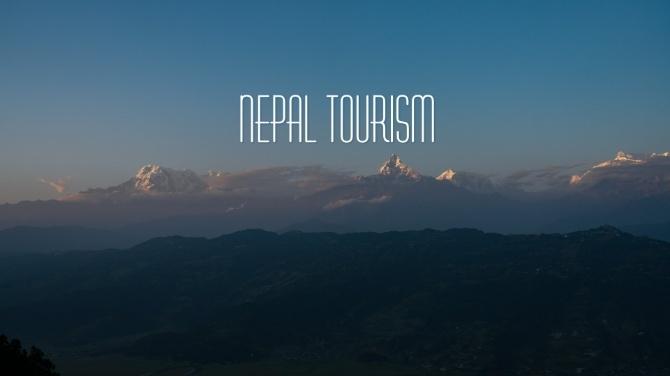
Nepal is a destination where ancient traditions, dramatic mountain landscapes and welcoming communities come together. Located between India and Tibet, this Himalayan country offers far more than views of snow-covered peaks. Its historic towns, traditional villages, sacred temples, mountain roads and diverse cultures create opportunities for travellers to experience the country at their own pace.
For international visitors planning a holiday, Nepal tourism offers a wide range of experiences, from exploring lakeside cities and historic forts to travelling through remote Himalayan valleys. Travellers can discover traditional architecture, Buddhist monasteries, Hindu pilgrimage sites, local cuisine and landscapes that change dramatically with altitude.
For those who prefer exploring beyond conventional sightseeing, a Nepal Motorcycle Tour offers another way to experience the country. Riding through mountain roads and rural settlements allows visitors to appreciate the changing scenery, stop in small communities and understand how geography and tradition influence everyday life.
This Nepal Travel Guide explores some of the country's most interesting destinations, including Pokhara, Gorkha, Kalopani, Tatopani and Lo Manthang, along with practical advice for planning a rewarding journey.
Nepal's UNESCO Heritage, Ancient Architecture and Religious History
Nepal's cultural heritage is one of the most important parts of its tourism experience. The country's historic monuments reflect centuries of artistic development, religious practice, trade and royal patronage. For international visitors, exploring these sites provides a deeper understanding of Nepal beyond its famous Himalayan landscapes.
Kathmandu Valley is particularly well known for its historic urban centres and traditional Newari architecture. Kathmandu Durbar Square, Patan Durbar Square and Bhaktapur Durbar Square contain temples, courtyards, palaces and intricately carved wooden structures that illustrate the craftsmanship of earlier generations.
Religious landmarks also play a significant role in Nepal's identity. Pashupatinath is an important Hindu pilgrimage site, while Boudhanath and Swayambhunath are prominent Buddhist centres. These places remain active religious spaces, where visitors can observe rituals and traditions that continue to shape daily life.
Lumbini, recognised as the birthplace of Siddhartha Gautama, the Buddha, is another important destination for travellers interested in history and spirituality. Its monasteries, archaeological remains and sacred garden attract pilgrims and visitors from around the world.
Nepal's heritage is not limited to the Kathmandu Valley. Gorkha's historic palace complex and the medieval settlement of Lo Manthang in Upper Mustang demonstrate the country's wider historical diversity. The architecture and settlement patterns of these places reflect different regional traditions and historical connections.
When visiting religious and historic sites, travellers should dress respectfully, follow photography rules and avoid disturbing worshippers. Entrance fees and opening arrangements may vary by site, so checking official visitor information before travelling is advisable.
- Digital Agency
- Literie
- Location de voitures
- Restaurant
- Restaurant
- Mode
- Mode
- Information
- Marketing
- Tourisme
- Développement
- Découverte
- Législation
- Gastronomie
- Pâtisserie
- Evento
- Art
- Causes
- Crafts
- Dance
- Drinks
- Film
- Fitness
- Food
- Giochi
- Gardening
- Health
- Home
- Literature
- Music
- Networking
- Altre informazioni
- Party
- Religion
- Shopping
- Sports
- Theater
- Wellness
 Italiano
 Indian
 English
 French
 Arabic
 Spanish
 Portuguese
 Deutsch
 Turkish
 Dutch
 Russian
 Romaian
 Portuguese (Brazil)
 Greek
