


Expert Guide to Optic Fiber Welding for Superior Metal Fabrication
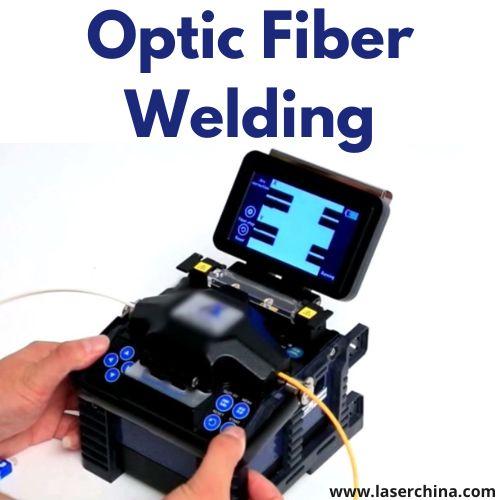
Modern manufacturing requires accurate, efficient, and consistent welding solutions to meet growing production demands. Fiber laser welding technology has become an important option for businesses seeking precise metal joining, smooth weld finishes, and improved production efficiency. It is suitable for various applications across automotive manufacturing, metal fabrication, machinery production, and industrial equipment assembly.
Choosing optic fiber welding technology can help businesses improve welding consistency while supporting faster production workflows. With advanced laser systems and appropriate operating parameters, manufacturers can achieve clean welds on compatible metal materials while maintaining excellent control over the welding process. lasercleaner supports industrial businesses looking for modern laser technology to improve metalworking operations and achieve dependable manufacturing results.
How Fiber Laser Welding Technology Works
Fiber laser welding uses a concentrated laser beam to generate heat and join metal components. The laser energy is directed toward the welding area, where it melts the material and forms a joint as the molten metal cools and solidifies.
This process offers precise energy delivery, making it useful for applications requiring controlled heat input and accurate weld placement. Depending on the equipment configuration, material thickness, and joint design, fiber laser welding can support both intricate components and demanding industrial production tasks.
Manufacturers can select suitable laser power and operating settings according to their specific welding requirements. Correct configuration helps maintain weld quality and improve repeatability throughout production.
Key Benefits of Fiber Laser Welding
High Welding Precision
Fiber laser welding enables concentrated heat application, helping operators produce accurate welds on compatible metal components. This precision is particularly valuable for detailed assemblies, thin metal sheets, and products that require a neat appearance.
Improved Production Efficiency
Laser welding can support fast processing speeds when materials, thicknesses, and joint configurations are suitable. Efficient processing helps manufacturers manage production schedules and increase throughput without compromising appropriate quality controls.
Consistent Weld Quality
Maintaining stable operating parameters helps produce repeatable welding results. Consistency is important for manufacturers handling multiple components, regular production batches, and applications with specific quality requirements.
Reduced Post-Welding Work
Suitable laser welding applications can produce narrow, clean welds with limited distortion. This may reduce grinding, finishing, and other secondary operations, saving time and supporting a more efficient manufacturing process.
Versatile Metal Applications
Fiber laser welding systems can work with compatible metals such as stainless steel, carbon steel, and certain aluminum alloys. Actual results depend on material properties, thickness, surface preparation, equipment specifications, and welding parameters.
Industrial Applications of Fiber Laser Welding
Fiber laser welding technology serves a wide range of manufacturing sectors. Automotive businesses use it to join selected metal components and support precision assembly processes. Metal fabrication companies apply laser welding to enclosures, sheet metal products, brackets, and customized structures.
Electronics manufacturers can benefit from controlled welding for suitable metal parts, while machinery producers use the technology for components requiring consistent joints. Furniture manufacturing, kitchen equipment production, and industrial hardware fabrication can also benefit from appropriately configured laser welding equipment.
These applications demonstrate how laser technology can support different production requirements while helping businesses improve manufacturing consistency.
Choosing the Right Welding Equipment
Selecting suitable equipment requires careful consideration of production goals. Businesses should evaluate laser power, compatible materials, welding thickness, cooling arrangements, control features, and expected daily workload.
Operator training and workplace safety are equally important. Laser welding systems require appropriate laser safety measures, suitable protective enclosures or controlled work areas, and application-specific eye and skin protection. Proper ventilation may also be necessary to manage welding fumes.
lasercleaner helps businesses explore modern laser equipment solutions suited to industrial metalworking needs. Comparing technical specifications and application requirements can help manufacturers make informed purchasing decisions.
Why Consider lasercleaner for Laser Technology?
Businesses investing in modern welding solutions need equipment that aligns with their production objectives. lasercleaner focuses on laser technology for industrial applications, helping buyers explore solutions for improving processing efficiency and metalworking performance.
Before selecting a system, manufacturers should review technical documentation, confirm material compatibility, and assess the equipment's suitability for their intended applications. A well-matched solution can support consistent results, effective production planning, and long-term operational value.
Maximizing Results With Optic Fiber Welding
To achieve reliable results, businesses should establish appropriate welding parameters, maintain clean material surfaces, and inspect completed joints regularly. Choosing optic fiber welding technology that matches the required materials and production workload can help manufacturers improve precision, maintain consistent weld quality, and optimize manufacturing efficiency over time.
Conclusion
Fiber laser welding offers manufacturers a modern approach to joining metal components with precision and efficiency. Its potential benefits include consistent weld quality, reduced finishing requirements, and versatile industrial applications. By evaluating equipment specifications and choosing suitable solutions from lasercleaner, businesses can strengthen their welding processes and support long-term manufacturing productivity.
Description
Discover how fiber laser welding improves metal fabrication with precise joining, consistent weld quality, efficient processing, and versatile industrial applications for modern manufacturing businesses
- Digital Agency
- Literie
- Location de voitures
- Restaurant
- Restaurant
- Mode
- Mode
- Information
- Marketing
- Tourisme
- Développement
- Découverte
- Législation
- Gastronomie
- Pâtisserie
- Eveniment
- Art
- Causes
- Crafts
- Dance
- Drinks
- Film
- Fitness
- Food
- Jocuri
- Gardening
- Health
- Acasă
- Literature
- Music
- Networking
- Alte
- Party
- Religion
- Shopping
- Sports
- Theater
- Wellness
 Romaian
 Indian
 English
 French
 Arabic
 Spanish
 Portuguese
 Deutsch
 Turkish
 Dutch
 Italiano
 Russian
 Portuguese (Brazil)
 Greek
