


Water Damage Repairs in Mobile AL: Getting Your Home Back to Normal
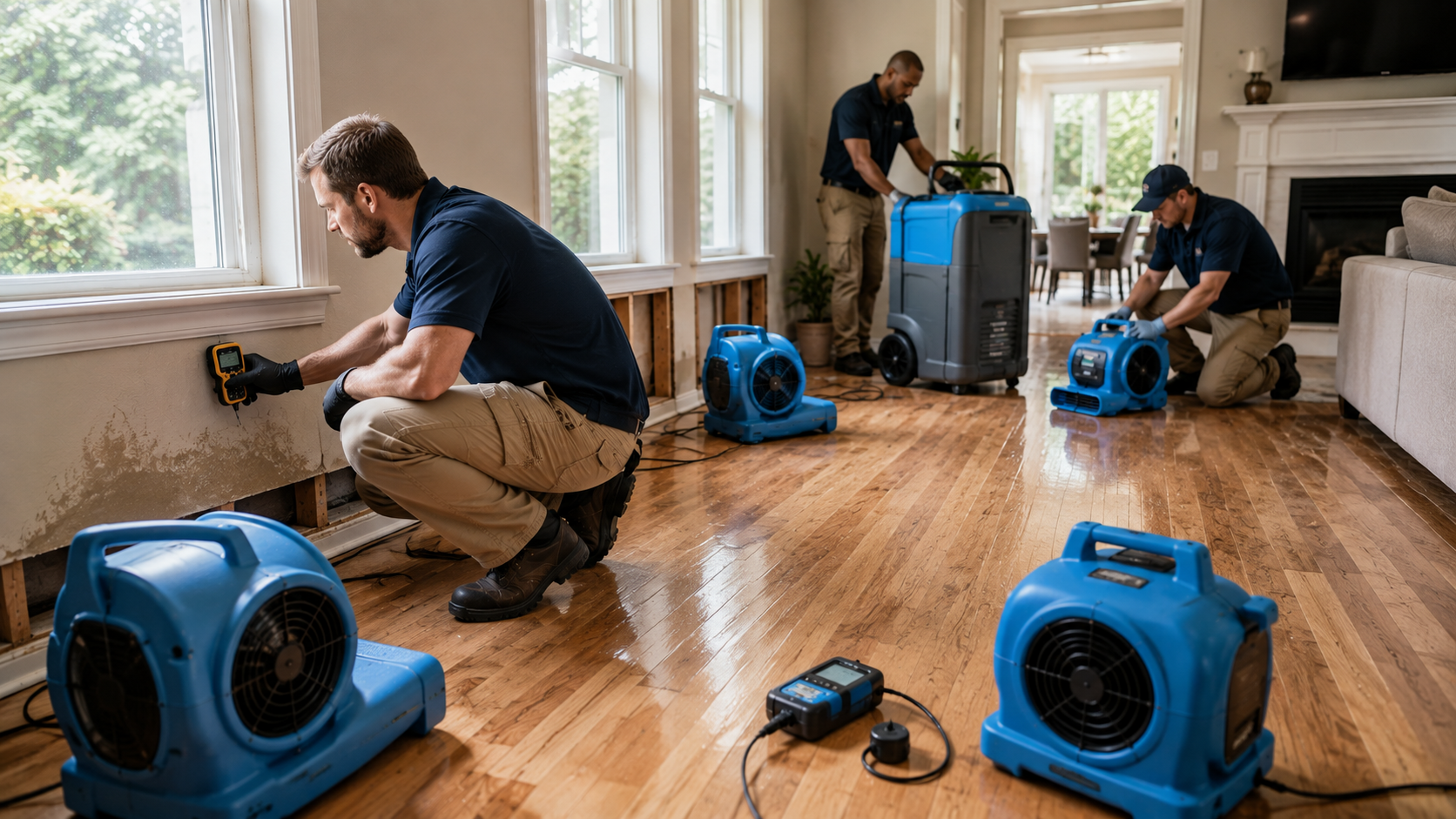
A water leak can turn an ordinary day into a stressful one.
A kitchen floor becomes unusable, a bedroom ceiling starts leaking, or water spreads through a hallway after heavy rain. Suddenly, everyday routines become difficult. Furniture needs to be moved, belongings need protection, and parts of the house may be unavailable until the damage is addressed.
For homeowners looking into water damage repairs in Mobile AL, the challenge is not only fixing what got wet. It is also figuring out how to make the home usable again without overlooking problems that could affect the repairs later.
The best approach depends on where the water entered, how far it spread, which materials were affected, and whether the original source has been corrected.
Start by Making the Affected Area Safe
Before thinking about flooring, paint, or replacement materials, homeowners need to consider safety.
Water can create hazards that are not immediately obvious. If water has reached electrical outlets, appliances, wiring, or electrical equipment, avoid entering the affected area until it has been assessed by an appropriate professional. Do not touch electrical equipment while standing in water.
Ceilings that are bulging or sagging may also be unsafe, particularly if water has collected above them. Avoid standing beneath a visibly weakened ceiling.
If water is entering through a damaged roof, broken pipe, or other active source, the immediate priority is to stop the flow when it can be done safely. For serious leaks, electrical hazards, or structural concerns, professional assistance may be necessary.
Taking these precautions first helps prevent an already difficult situation from becoming more dangerous.
Figure Out Which Parts of the Home Need Attention First
When several rooms are affected, it can be difficult to know where to begin.
A useful starting point is to identify which areas need immediate attention and which can wait until the full repair plan is established.
For example, a leaking ceiling above a bedroom may require urgent attention because of the risk of falling materials. Water spreading through a kitchen may affect cabinets, appliances, and flooring. A damp area near an exterior wall may need investigation to determine whether rainwater is entering the building.
Homeowners can begin by noting:
- Which rooms have been affected
- Where the water first appeared
- Whether the source is still active
- Which areas are unsafe or difficult to access
- Whether important belongings need to be moved
- Which rooms can still be used safely
Photographs and written notes can help document the damage before cleanup and repairs change the condition of the property.
Do Not Rush to Put Everything Back in Place
After the visible water has been removed, it is natural to want to return furniture, rugs, and belongings to their usual locations.
However, surfaces that look dry may still contain moisture. Flooring, wall cavities, cabinets, and other enclosed areas may need further assessment before the room is ready for normal use.
Drying wet materials promptly is important. The U.S. Environmental Protection Agency recommends drying wet or damp materials within 24–48 hours when possible to help reduce the risk of mold growth.
That timeframe is a useful target, not a guarantee that mold cannot develop.
If a room still smells musty, flooring feels unusual, or wall materials remain damp, those conditions should be investigated before the area is covered or put back into regular use.
Decide What Can Be Cleaned and What Needs Repair
Not every water-damaged item needs to be replaced. Some belongings and building materials can be cleaned and dried, while others may be too damaged to restore.
The decision depends on the material, the extent of exposure, and the type of water involved.
Hard surfaces may be recoverable after appropriate cleaning and drying. Certain furniture or personal belongings may also be salvageable.
On the other hand, swollen flooring, deteriorated drywall, damaged insulation, and materials exposed to contaminated water may require removal or replacement.
For example, a small leak beneath a kitchen sink may affect the cabinet base without damaging the entire kitchen. If the cabinet structure remains sound, a limited repair may be possible. If the material has deteriorated significantly, replacement may be more practical.
A careful assessment helps avoid unnecessary work while ensuring damaged materials are not left in place simply because they are out of sight.
Why the Original Cause Must Be Corrected
One of the most important parts of water damage repair is making sure the problem that caused the damage has been addressed.
Otherwise, newly repaired areas may be affected again.
Common sources include:
- Leaking plumbing connections
- Damaged roofing materials
- Faulty appliance hoses
- Overflowing fixtures
- Poor exterior drainage
- Water entering around windows or doors
- Storm-related damage
In Mobile, heavy rainfall and humid conditions make it especially important to investigate water entering from roofs, exterior walls, and drainage areas.
A ceiling stain, for instance, may be the visible result of a roof problem that began elsewhere. Repairing the ceiling alone will not prevent another leak if the roof opening remains.
The source should be identified and corrected before the final finishes are restored.
Plan Repairs Around How the Room Will Be Used
Restoring a room means more than making it look presentable.
The finished space should be suitable for its intended purpose.
A bedroom may need sound flooring, properly restored walls, and safe access before it can be used comfortably again. A kitchen may require attention to cabinets, plumbing connections, flooring, and affected electrical components. A living room may need damaged finishes replaced before furniture can be returned.
Thinking about the room's purpose helps homeowners identify what needs to be completed rather than focusing only on visible cosmetic improvements.
It also helps determine which areas can be restored first if the entire property cannot be repaired at once.
What If You Cannot Repair Everything at Once?
Sometimes, the damage affects more than the available budget can comfortably cover at one time.
In that situation, it helps to separate urgent work from improvements that can reasonably wait.
Safety concerns, active leaks, significant structural damage, and conditions that could lead to further deterioration generally deserve prompt attention. Cosmetic upgrades may be postponed if the affected areas are otherwise safe and stable.
The order will depend on the property and the severity of the damage, so a professional assessment is useful when priorities are unclear.
If an insurance claim is involved, document the damage and keep receipts for reasonable temporary measures. Coverage depends on the policy, the cause of the loss, and the applicable terms and exclusions. Homeowners should check with their insurer before making assumptions about which repairs will be covered.
How to Prepare for the Repair Work
Before permanent repairs begin, homeowners can make the process easier by gathering important information.
Keep photographs of the affected areas, notes about when the damage occurred, and records of any temporary repairs. Make a list of damaged belongings and identify any areas that remain inaccessible or unusable.
It is also worth asking the contractor:
- What needs to be repaired before finishing work begins?
- Which materials can be retained?
- Does any area require additional inspection?
- What work is included in the estimate?
- Are there conditions that could change the scope?
- When can the affected room reasonably return to normal use?
These questions help establish realistic expectations and reduce confusion once work begins.
Final Thoughts
Water damage can disrupt more than the appearance of a home. It can affect daily routines, limit access to important rooms, and leave homeowners unsure about what should happen next.
With water damage repairs in Mobile AL, a sensible recovery plan begins with safety, prompt drying, correction of the original problem, and a clear assessment of what needs to be restored.
Not every damaged area requires complete replacement, and not every room can return to normal immediately after the visible water disappears. The important thing is to address the actual damage before covering it up or putting the space back into regular use.
Taking the time to understand the property's condition can help homeowners make better repair decisions and move toward a home that is comfortable, functional, and ready for everyday life again.
Also Read:
General Contracting in Mobile AL: Planning Renovations for Older Properties
- Digital Agency
- Literie
- Location de voitures
- Restaurant
- Restaurant
- Mode
- Mode
- Information
- Marketing
- Tourisme
- Développement
- Découverte
- Législation
- Gastronomie
- Pâtisserie
- مناسبة
- Art
- Causes
- Crafts
- Dance
- Drinks
- Film
- Fitness
- Food
- الألعاب
- Gardening
- Health
- الرئيسية
- Literature
- Music
- Networking
- أخرى
- Party
- Religion
- Shopping
- Sports
- Theater
- Wellness
 Arabic
 Indian
 English
 French
 Spanish
 Portuguese
 Deutsch
 Turkish
 Dutch
 Italiano
 Russian
 Romaian
 Portuguese (Brazil)
 Greek
