


Solar Plan Sets :Drawings Lead to Faster Utility Approval
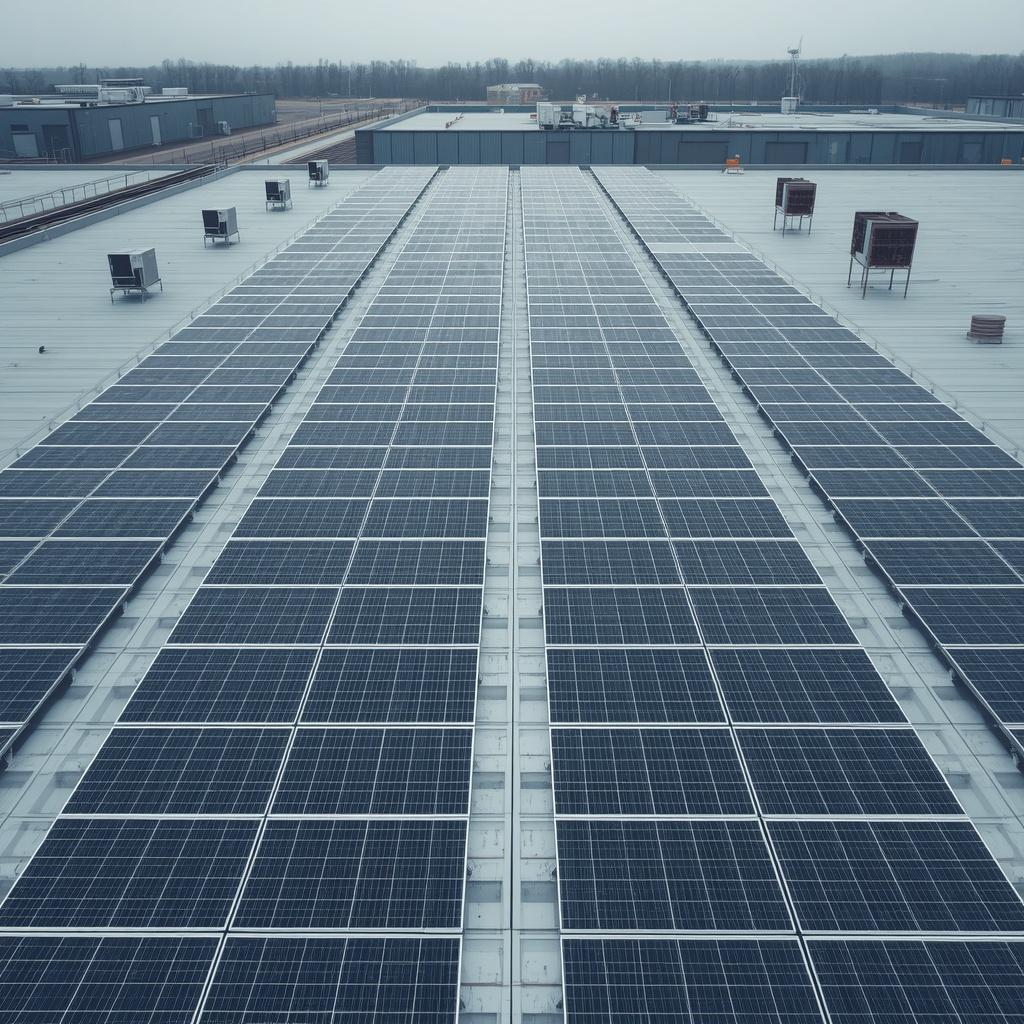
Every American solar project begins with a drawing. However, many installers treat that drawing as a formality. That mistake costs them weeks. Solar plan sets guide the building department, the utility, and the field crew. Therefore, one weak page can stall an entire job.
In this guide, you will learn how solar plan sets work from first draft to final approval. You will also see how each page affects utility permission to operate decisions. Moreover, you will discover simple habits that prevent rejections. At PTO Edge, we help US installers deliver clean files that move forward on the first try.
Need help with your next project? Request a free consultation and get expert support from design to energization.
Why Drawings Decide Project Speed
Speed in solar depends on paperwork more than labor. A crew can finish an installation in two days. Yet the approvals around that system often take two months. Consequently, smart companies focus on documents first.
Solar plan sets sit at the center of this process. Permit reviewers read them to confirm safety. Utility engineers read them to confirm grid compatibility. Inspectors read them again during the site visit. As a result, every group relies on the same pages.
Errors spread quickly across these groups. A wrong breaker size in the drawing becomes a failed inspection. Likewise, a wrong inverter model becomes a utility rejection. Therefore, accuracy at the drawing stage saves time at every later stage.
The US Department of Energy offers useful background on how rooftop systems connect to the grid. You can read its solar energy resources to see the national picture. Still, local rules vary, so always confirm requirements with your own jurisdiction and utility.
Delays also hurt cash flow. Crews pay for labor and materials long before final payment arrives. Furthermore, financing partners often wait for utility approval before they release funds. Therefore, faster paperwork means faster income.
Customers feel the delay too. They see finished panels on their roof but cannot turn them on. Naturally, they call your office. Fast approvals protect your reputation as well as your budget.
What Every Drawing Package Contains
A complete package tells a clear story. It shows what you will build, where you will build it, and how it connects. Good solar plan sets answer every question before a reviewer asks it.
Most packages start with a cover sheet. This page lists the project address, system size, and equipment. Next comes the site plan. It shows the building, the property lines, and the location of the main service panel.
The roof layout follows. It marks every module, the setbacks, and the access pathways. In addition, it shows roof obstructions such as vents and chimneys. Reviewers use this page to check fire code compliance.
Then the electrical single-line diagram appears. This page shows how power moves from the modules to the grid. It lists conductor sizes, breakers, disconnects, and the inverter. Both the building department and the utility study it closely.
Finally, the package includes equipment data sheets and labeling details. These pages prove that the chosen products carry the right listings. Moreover, they show exactly where each warning label belongs.
Strong drafting skill makes all of this easier. If you want to understand the drafter's role, read about professional solar drafting services. That resource explains how clear drawings support every approval that follows. In short, solar plan sets reflect the quality of the team behind them.
NEC Rules Reviewers Check First
The National Electrical Code shapes every solar drawing in America. However, each state adopts its own code edition. Some jurisdictions use a recent edition, while others lag behind. Therefore, confirm the adopted edition before you start drafting.
Reviewers usually check conductor sizing first. They want to see that wires can carry the expected current safely. Next, they check overcurrent protection. Breakers and fuses must match the circuit ratings shown on the page.
Grounding comes next. A safe system needs proper equipment grounding and bonding. Reviewers look for clear notes on both. In addition, they check the maximum voltage calculations for each string.
Backfeed rules also matter. The 120 percent rule limits how much solar a panel can accept. Consequently, many homes need a main breaker downgrade or a supply-side connection. Your drawings must show the chosen method clearly.
Many installers now order NEC-compliant solar plan drafting because the rules change often. Skilled drafters track each update and apply it correctly. As a result, fewer reviewers send back comments, and solar plan sets pass on the first review.
Rapid Shutdown and Labeling Details
Safety rules protect firefighters and homeowners alike. Rapid shutdown rules let first responders de-energize rooftop conductors quickly. The NEC requires this feature on most rooftop systems. Therefore, every drawing must show how the system complies.
Equipment choice drives the design. Some module-level devices meet the rule automatically. Other systems need separate shutdown hardware. In either case, the single-line diagram must show the method and its location.
Labels deserve equal attention. Inspectors check placards at the meter, the panel, and the inverter. They also check the rapid shutdown label near the service equipment. A missing label can fail an otherwise perfect installation.
Smart designers address these items early. Fixing a label list on paper takes minutes. Fixing a failed inspection takes days. Therefore, build the label schedule into your solar plan sets from the start.
For a practical walkthrough, review the rapid shutdown NEC requirements before you finalize equipment. That article explains each rule in plain language. Consequently, your crew installs the right devices the first time.
Structural Review and Engineer Stamps
Panels add weight to a roof. Wind and snow add stress on top of that weight. Therefore, many jurisdictions require proof that the structure can handle the load. A licensed engineer provides that proof.
The engineer reviews rafter size, spacing, and condition. Then the engineer checks the mounting hardware and attachment points. Finally, the engineer confirms that the electrical design meets code. A stamp on the plans shows that these checks happened.
Stamped drawings build trust. Building officials approve them with greater confidence. Moreover, homeowners feel safer when a licensed professional signs off. Your company also reduces its liability.
You do not need a full-time engineer on staff. Instead, you can add a licensed engineer PE stamp to individual projects as needed. This model suits growing companies with changing volume. In turn, your solar plan sets receive review without hiring delays.
Engineering knowledge also helps your sales team. When you understand load limits, you avoid promising layouts that cannot work. For deeper background, explore complete solar engineering services and see how each review step fits together.
Jurisdiction Differences Across the Country
America has thousands of local building departments. Each one acts as an Authority Having Jurisdiction, or AHJ. Each AHJ sets its own forms, fees, and review times. Therefore, a package that passes in one city may fail in the next county.
Some offices accept online uploads and respond within days. Others still require paper copies and take weeks. Certain jurisdictions demand extra items, such as fire department sign-offs or structural letters. Because of this variety, installers who work in many regions need strong systems.
Preparation solves most problems. Download the local checklist before you draft anything. Then match every page of your solar plan sets to that list. Furthermore, note any special requirements in your project file for future jobs.
Many companies save time with jurisdiction-specific solar permitting packages built for each office. Specialists already know the local quirks. Consequently, applications arrive complete, and reviewers approve them faster.
Speed also comes from smart follow-up. Practical advice on solar permit expediting tips can shorten waiting periods. Use those ideas, and your schedule becomes far more predictable.
Linking Sales, Design, and Field Teams
Most delays start with a handoff. The sales team promises one design. The drafter builds another. Then the field crew installs a third. Each gap creates confusion and rework.
The fix starts at the proposal. A strong proposal uses real roof data, real shading, and real utility rates. Companies that want to close more deals often use data-backed solar sales proposals so everyone starts with the same facts. Moreover, the numbers in the proposal match the numbers in the drawings later.
Next, designers must receive complete site information. Photos, measurements, and electrical details all matter. Without them, solar plan sets contain guesses. Guesses lead to errors, and errors lead to rejections.
Finally, the field crew needs the final stamped drawings. Crews should follow them exactly. If site conditions force a change, the crew must record it. Then the drafter can update the as-built drawings.
A connected platform makes this flow easier. The design and permitting workflow inside Solar App+ keeps all of these steps in one place. As a result, data moves forward without retyping.
Designers also gain from technical depth. This guide to solar PV design drafting shows how accurate layouts support the whole project. Pair that knowledge with a shared workflow, and your team works with real confidence.
From Final Inspection to Utility Approval
Passing inspection feels like a finish line. In reality, the utility still holds the final key. Permission to Operate, often called PTO, is the written approval that lets the customer switch on the system. Until you receive it, the panels stay off.
The process usually has three parts. First, you submit an interconnection application, often before or during construction. The utility reviews the system size, the equipment, and the local grid capacity. Next, you send the final documents after installation. These typically include the signed inspection card, the as-built drawings, and equipment data sheets.
Then the utility may schedule a meter change or a site visit. After that work ends, the utility issues the PTO letter. Only then can the customer legally operate the system. Quick action at each stage shortens the total wait.
Accuracy matters most here. The utility compares your application against your drawings line by line. If the inverter model differs, the review stops. Therefore, your solar plan sets must match the application exactly.
Many installers now rely on fast utility interconnection approval specialists because the paperwork takes real expertise. These experts track each utility's portal and rules. Moreover, they check every file before submission. As a result, they provide error-free PTO submission support that avoids repeated corrections.
Speed here protects your cash flow. Many lenders release the last payment only after PTO. Consequently, faster approval means faster payment. It also means fewer anxious calls from homeowners who want to turn on their panels.
Net metering adds another layer. Many utilities must set up billing credits before the customer exports power. Therefore, a complete file also helps the customer earn credit from day one. Teams that need final utility approval support often see these benefits right away.
Mistakes That Stall Utility Approval
Small errors cause most delays. Understanding them helps you avoid them. Here are the problems installers face most often.
First, mismatched equipment data tops the list. The application may name one inverter while the drawing shows another. Reviewers notice this immediately. Therefore, compare every document before you submit.
Second, incomplete single-line diagrams cause rejections. The diagram must show every major component and its rating. Furthermore, it must match the real installation. A vague drawing invites extra review rounds.
Third, missed deadlines hurt projects. Some utilities close an application after a period of inactivity. Others charge new fees for resubmission. For that reason, track every open file on a simple schedule.
Fourth, slow replies waste time. Utility staff often send a short email asking for one fix. If nobody answers, the file sits untouched. Assign one person to watch each application and reply the same day.
Finally, rushed handoffs create gaps. Teams that use separate tools lose data between steps. Many companies solve this with PTO application filing help that reviews every file before it leaves the office. In the same way, careful solar plan sets prevent most problems before they start.
Good tracking also helps. Keep a log of each submission date, each utility comment, and each reply. Over time, this log reveals patterns. Then you can fix the root cause instead of repeating the same error.
Building a Trustworthy Workflow
Solar is a technical business. Errors can cost thousands of dollars and create safety risks. Therefore, choose partners with proven experience. Look for teams that understand NEC rules, AHJ practices, and utility procedures.
Ask practical questions before you hire anyone. How many utilities do they work with? How do they handle rejections? Who reviews each file before it goes out? Clear answers show real expertise.
Transparency matters too. Good partners explain their process and share updates often. They also admit when a utility causes a delay. Honest communication builds long-term relationships.
Credentials count as well. Licensed engineers, trained drafters, and experienced permit coordinators each add a layer of quality. Together, they reduce risk on every job. Consequently, your solar plan sets carry more weight with every reviewer.
PTO Edge supports US installers with proposals, drawings, engineering review, permitting, and utility submissions. Our team focuses on accuracy because accuracy saves time. When your files are right the first time, customers stay satisfied and projects stay on schedule.
Another way to build trust is documentation. Keep copies of every approval, stamp, and utility letter. These records protect you during audits and warranty questions. They also help new staff learn from past projects.
Next Steps for Your Team
Solar success depends on details. You need a persuasive proposal, accurate drawings, and a sound engineering review. You also need smooth permitting and a flawless utility filing. Each step supports the next one.
Start every project with the finish line in mind. Remember that utility approval, not installation, turns the system on. Moreover, remember that fewer errors mean faster payment. With the right process, solar plan sets become a tool for speed instead of a source of stress.
Review your current workflow today. Find the step that slows you down most. Then fix it with better tools or expert help. Small improvements add up to many more completed projects each year.
If paperwork keeps slowing your crews, consider permission to operate service support as your next upgrade. A dedicated team handles the details while your crews keep building.
Want faster approvals on every job? Talk to our specialists and get a clear plan for your next installation.
Frequently Asked Questions
What are solar plan sets?
Solar plan sets are drawing packages that show how a system will be built. They include site plans, roof layouts, and electrical diagrams.
Why does the utility need my drawings?
The utility checks that your system is safe and compatible with the grid. Matching drawings and applications prevent review delays.
Do all projects need an engineer's stamp?
No. Requirements depend on the local jurisdiction and the roof type. Many areas require a stamp for structural or electrical review.
How long does Permission to Operate take?
Timelines vary by utility. Some respond within days, while others need several weeks. Complete files shorten the wait.
What is an AHJ?
An AHJ is the Authority Having Jurisdiction. It is the local office that reviews permits and enforces building and electrical codes.
- Digital Agency
- Literie
- Location de voitures
- Restaurant
- Restaurant
- Mode
- Mode
- Information
- Marketing
- Tourisme
- Développement
- Découverte
- Législation
- Gastronomie
- Pâtisserie
- Мероприятие
- Art
- Causes
- Crafts
- Dance
- Drinks
- Film
- Fitness
- Food
- Игры
- Gardening
- Health
- Главная
- Literature
- Music
- Networking
- Другое
- Party
- Religion
- Shopping
- Sports
- Theater
- Wellness
 Russian
 Indian
 English
 French
 Arabic
 Spanish
 Portuguese
 Deutsch
 Turkish
 Dutch
Dutch
 Italiano
 Romaian
 Portuguese (Brazil)
 Greek
Greek
