


Bezel Set Engagement Rings: Style, Security, and Design
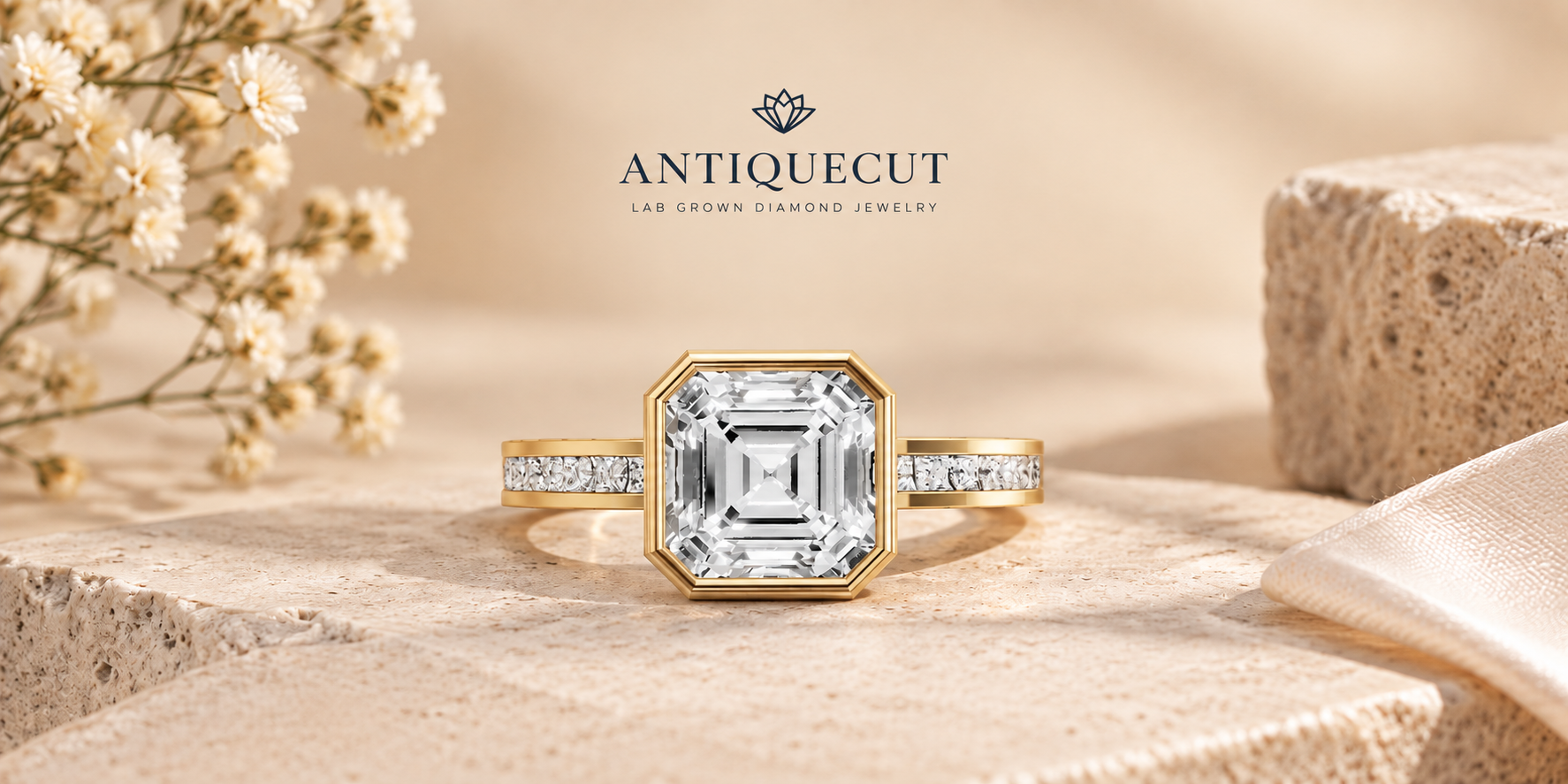
Choosing an engagement ring involves more than selecting a diamond shape or metal. The setting also affects how the ring looks, feels, and performs during everyday wear. For shoppers who want a clean profile with added protection around the center stone, bezel engagement rings offer an interesting option. Instead of holding the diamond with individual prongs, a thin metal rim surrounds the stone and keeps it securely in place.
This setting can work with many diamond shapes, band designs, and metal colors. It can also create a distinctive appearance without relying on a complicated setting. Whether you prefer a simple solitaire or a more detailed design, understanding how a bezel setting works can make the buying process easier.
What Is a Bezel Engagement Ring?
A bezel setting uses a metal rim that surrounds the outer edge of the diamond. The rim holds the stone in place while creating a smooth border around it. Depending on the design, the metal may surround the entire stone or cover selected edges.
This differs from a traditional prong setting, where small metal claws hold the diamond from several points. With a bezel, there are fewer exposed areas around the stone, which gives the ring a more enclosed construction.
The design has practical advantages for people who wear their rings frequently. The metal edge can help reduce the chance of the diamond catching on clothing, hair, or other materials. It also gives the ring a defined outline that can complement the shape of the center stone.
Why Consider Bezel Set Engagement Rings?
There are several reasons shoppers consider bezel settings when choosing an engagement ring. One of the main benefits is the way the setting combines appearance with everyday practicality.
The surrounding metal provides an additional layer of protection around the diamond. This can be useful for people who work with their hands or simply prefer a ring that does not have raised prongs.
Another benefit is the smooth surface. Because there are fewer protruding components, a bezel ring can feel comfortable against nearby fingers and clothing.
The setting can also give a diamond a different visual character. The metal border frames the stone, making its outline an important part of the overall design.
Choosing the Right Diamond Shape
A bezel setting can be designed around many diamond shapes, but the final appearance depends heavily on the proportions and outline of the stone.
Round diamonds are a popular choice because their curved shape works naturally with a circular metal frame. A round bezel diamond engagement ring can have a simple appearance while still making the center stone the main feature.
Oval diamonds offer a longer outline and can create a different look when enclosed by a bezel. Pear, emerald, radiant, and marquise shapes can also be used, although each requires careful fitting because of its specific proportions and corners.
When selecting a stone, consider both its shape and the amount of metal surrounding it. A wider border can create a stronger frame, while a slimmer rim may place more visual attention on the diamond.
Bezel Solitaire Designs
For shoppers who prefer a straightforward ring, a bezel solitaire engagement ring is worth considering. The design places one main diamond at the center without additional side stones competing for attention.
A solitaire bezel can be paired with different band profiles. A narrow band may make the center stone appear more prominent, while a wider band can give the ring a stronger presence.
The setting can also be combined with different metal colors. White gold or platinum can create a close visual relationship with a white diamond, while yellow or rose gold can create more contrast around the stone.
Because the bezel already provides a clear frame, the band does not necessarily need extensive detailing.
Exploring Unique Bezel Engagement Rings
Not every bezel ring needs to follow a traditional solitaire format. Designers can use the setting as part of a broader concept involving multiple stones, unusual proportions, mixed metals, or distinctive band shapes.
For shoppers looking beyond conventional layouts, unique bezel engagement rings can include east-west diamond orientations, asymmetrical arrangements, contrasting metal borders, or bands with carefully placed accent stones.
An east-west setting, for example, places an elongated diamond horizontally across the finger rather than vertically. When combined with a bezel, this arrangement can create a noticeably different silhouette.
Other designs may use two stones or incorporate small diamonds into the band. The important consideration is that the additional details should work with the center setting rather than making the ring difficult to wear.
Security and Everyday Wear
One of the strongest practical reasons to consider a bezel setting is the way the metal surrounds the diamond. The rim helps hold the stone in place and covers much of its edge.
This does not mean that a bezel ring is maintenance-free. Like any fine jewelry, it should be inspected periodically. The metal can become scratched, and the setting should be checked for signs of movement or damage.
A bezel can also be helpful for people who dislike the feeling of exposed prongs. Its lower-profile construction can make the ring less likely to catch on sweaters, towels, or other fabrics.
However, the exact level of protection depends on the design. The depth of the bezel, the diamond's shape, and the craftsmanship all affect how the finished ring performs.
Lab Grown Bezel Engagement Rings
Lab grown diamonds have become another option for engagement ring shoppers. These diamonds have the same basic crystal structure and chemical composition as mined diamonds, while being produced in a controlled laboratory environment.
A lab grown bezel engagement ring combines this diamond choice with the protective structure of a bezel setting.
Shoppers can choose from different diamond shapes, sizes, colors, and clarity grades depending on their preferences and budget. The bezel setting can then be designed around the selected stone.
For someone who wants a distinctive setting and is also considering a lab grown diamond, this combination provides several design possibilities. The choice ultimately comes down to personal preferences regarding the diamond, metal, proportions, and overall ring construction.
Selecting the Right Metal
The metal plays an important role in both appearance and durability.
Platinum is a popular choice for people looking for a naturally white precious metal with substantial weight. It is also commonly used in fine jewelry settings.
White gold provides a white-metal appearance and is available in different karat options. Depending on the alloy and finish, white gold may require periodic maintenance to keep its surface looking consistent.
Yellow gold creates stronger contrast against a white diamond. This can make the bezel border more noticeable and give the center stone a framed appearance.
Rose gold has a warmer pinkish tone and can give the ring a different character. It can be paired with both traditional and unusual diamond shapes.
When choosing metal, consider your existing jewelry as well as the color and shape of the diamond.
Bezel Width and Proportion
The thickness of the bezel should complement the diamond rather than overwhelm it. A heavy border can make the setting feel substantial, while a narrow border can produce a lighter appearance.
The band width matters as well. A small center stone paired with a very wide band may create a different visual balance than the same stone on a thin band.
Finger proportions should also be considered. Trying different ring widths and profiles can help you understand how a particular design sits on your hand.
These small details are important because a ring may look different in a product photograph compared with how it appears when worn.
How to Choose a Bezel Ring
Before purchasing, consider how often you plan to wear the ring and what activities your daily routine involves.
If you work with your hands regularly, a lower-profile setting may be convenient. If you prefer a decorative appearance, look at designs with accent stones or unusual diamond orientations.
Next, determine your preferred diamond shape and metal. Once those choices are narrowed down, compare bezel widths and band profiles.
It is also worth checking the ring's dimensions, especially when shopping online. Product photographs can make a ring appear larger or smaller than it is in person.
For shoppers comparing different designs, explore bezel engagement rings across several shapes and setting styles before deciding on one particular design.
Caring for a Bezel Engagement Ring
Although the bezel offers useful protection, regular care remains important. Remove the ring when performing activities that could expose it to harsh chemicals, strong impact, or unnecessary abrasion.
For routine cleaning, follow the care instructions supplied by the jeweler. A soft jewelry cloth and appropriate cleaning method can help remove everyday residue.
Professional inspection can also help identify problems before they become more serious. Pay attention to changes in the metal rim, unusual movement of the diamond, or visible damage.
Proper storage matters too. Keep the ring separately from harder jewelry pieces that could scratch its surface.
Final Thoughts
A bezel setting offers a combination of a defined metal frame, secure diamond placement, and a smooth profile. It can be adapted to round, oval, pear, emerald, radiant, and other diamond shapes, giving shoppers plenty of ways to personalize the design.
From a simple solitaire to a distinctive multi-stone arrangement, the setting can suit different preferences. Lab grown diamonds add another option for those considering alternatives when selecting their center stone.
Brands such as Antiquecut offer different approaches to bezel-based engagement ring designs, allowing shoppers to compare diamond shapes, metals, settings, and band styles.
The right ring ultimately depends on how you want it to look, how you plan to wear it, and which design details matter most to you. Taking time to compare these elements can help you choose a bezel engagement ring that fits both your personal taste and everyday routine.
- Digital Agency
- Literie
- Location de voitures
- Restaurant
- Restaurant
- Mode
- Mode
- Information
- Marketing
- Tourisme
- Développement
- Découverte
- Législation
- Gastronomie
- Pâtisserie
- Etkinlik
- Art
- Causes
- Crafts
- Dance
- Drinks
- Film
- Fitness
- Food
- Oyunlar
- Gardening
- Health
- Ana sayfa
- Literature
- Music
- Networking
- diğer
- Party
- Religion
- Shopping
- Sports
- Theater
- Wellness
 Turkish
 Indian
 English
 French
 Arabic
 Spanish
 Portuguese
 Deutsch
 Dutch
Dutch
 Italiano
 Russian
 Romaian
 Portuguese (Brazil)
 Greek
Greek
