


Mastering Construction Loans and Smart Budgeting for Your Custom Home Build
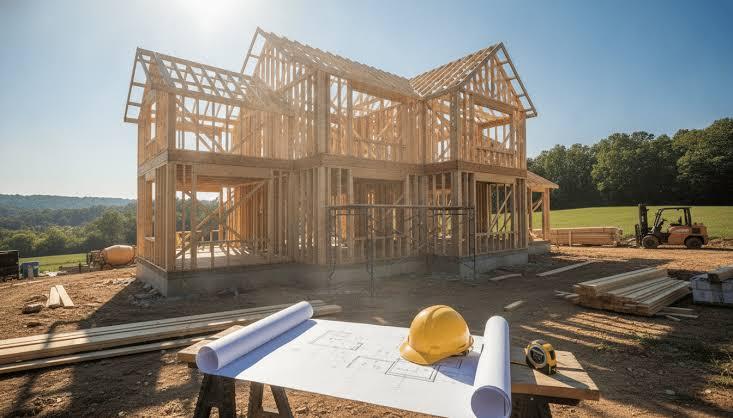
Embarking on the journey of designing and constructing a custom home gives you total freedom to shape a space tailored to your exact lifestyle, long-term goals, and personal preferences. However, turning architectural blueprints into a physical reality requires mastering two critical components: specialized financing through construction loans for custom homes and proactive financial planning.
Navigating the mechanics of short-term building finance and establishing a comprehensive budget safeguards your investment, prevents unexpected shortfalls, and eliminates financial stress during construction.
Part 1: Demystifying Construction Loans for Custom Homes
Financing a custom build differs fundamentally from purchasing an existing resale house because lenders are evaluating a property that does not yet fully exist.
1. How Construction-to-Permanent Loans Operate
The most popular financing vehicle for custom home construction is the single-close, construction-to-permanent loan.
-
The Construction Phase: Funds are disbursed in scheduled stages—known as "draws"—as specific building milestones (such as foundation pouring, framing completion, and drywall installation) are completed and inspected. During this period, you typically make interest-only payments solely on the funds that have been drawn down.
-
The Permanent Transition: Once the final municipal occupancy permit is issued, your construction loan automatically converts into a traditional permanent mortgage (such as a 15-year or 30-year fixed loan), avoiding the cost and paperwork of a second closing.
2. Underwriting Requirements and Down Payments
Because building projects carry unique risks, lenders enforce stricter qualification standards than traditional mortgages. Borrowers typically need to provide detailed architectural plans, a realistic line-item budget, a signed contract with a licensed builder, and a down payment ranging from 10% to 25% of the total projected value.
Part 2: Smart Budgeting Strategies to Avoid Surprises
A successful financial blueprint goes well beyond the basic cost of wood, concrete, and drywall. To protect your bottom line, your financial roadmap must account for every phase of the project lifecycle.
1. Factoring in Pre-Construction and Hidden Costs
Many first-time builders get tripped up by overlooked expenses that accumulate before framing even begins. A bulletproof budget must explicitly include:
-
Land and Site Preparation: Purchasing the lot, clearing trees, grading, and establishing proper stormwater drainage.
-
Utility Infrastructure: Hookup fees or installation costs for private wells, septic systems, electricity, and municipal water lines.
-
Permits, Engineering, and Fees: Local building permits, architectural design fees, zoning reviews, and mandatory environmental or soil tests.
2. Establishing a Dedicated Contingency Fund
Unanticipated site conditions—such as hitting rock during excavation or encountering weather-related delays—happen on nearly every major build. Financial experts and experienced builders universally recommend setting aside a 5% to 10% contingency buffer in your overall loan or cash savings to absorb these surprises without derailing your project timeline.
Part 3: Actionable Steps to Align Financing and Budgeting
To ensure a seamless transition from financing approval to breaking ground, follow this structured framework:
-
1. Secure Lender Pre-Approval: Consult with specialized construction lenders or local banks to determine your maximum borrowing capacity before finalizing your floor plans.
-
2. Partner with a Design-Build Team: Collaborate with a unified builder who can provide realistic line-item estimates and value engineering to keep your design aligned with your loan parameters.
-
3. Separate Must-Haves from Nice-to-Haves: Rank your interior and exterior preferences so you can easily scale back flexible aesthetic upgrades if site prep or material costs run high. To protect your project from unforeseen financial pitfalls, it is essential to learn custom home budget.
Frequently Asked Questions
What is the difference between a construction-only loan and a construction-to-permanent loan?
A construction-only loan covers solely the building phase (usually 6 to 24 months) and requires you to secure a separate traditional mortgage once the home is finished. A construction-to-permanent loan rolls both phases into a single closing, saving you time and closing fees.
How are builder draws handled during construction?
Funds are released in incremental stages tied to specific construction milestones (such as foundation, framing, and roof completion). An independent inspector typically reviews the job site before the lender approves the release of each draw.
Can I include the cost of raw land in my construction loan?
Yes, many construction-to-permanent financing packages allow you to bundle the purchase price of your building lot directly into the overall loan amount.
What is value engineering, and how does it help my budget?
Value engineering is the practice of finding smarter, more cost-effective materials or structural methods that achieve the exact same aesthetic and functional result without sacrificing quality or safety.
- Digital Agency
- Literie
- Location de voitures
- Restaurant
- Restaurant
- Mode
- Mode
- Information
- Marketing
- Tourisme
- Développement
- Découverte
- Législation
- Gastronomie
- Pâtisserie
- Evento
- Art
- Causes
- Crafts
- Dance
- Drinks
- Film
- Fitness
- Food
- Giochi
- Gardening
- Health
- Home
- Literature
- Music
- Networking
- Altre informazioni
- Party
- Religion
- Shopping
- Sports
- Theater
- Wellness
 Italiano
 Indian
 English
 French
 Arabic
 Spanish
 Portuguese
 Deutsch
 Turkish
 Dutch
Dutch
 Russian
 Romaian
 Portuguese (Brazil)
 Greek
Greek
