


Best Dog Beds for Comfortable Sleeping
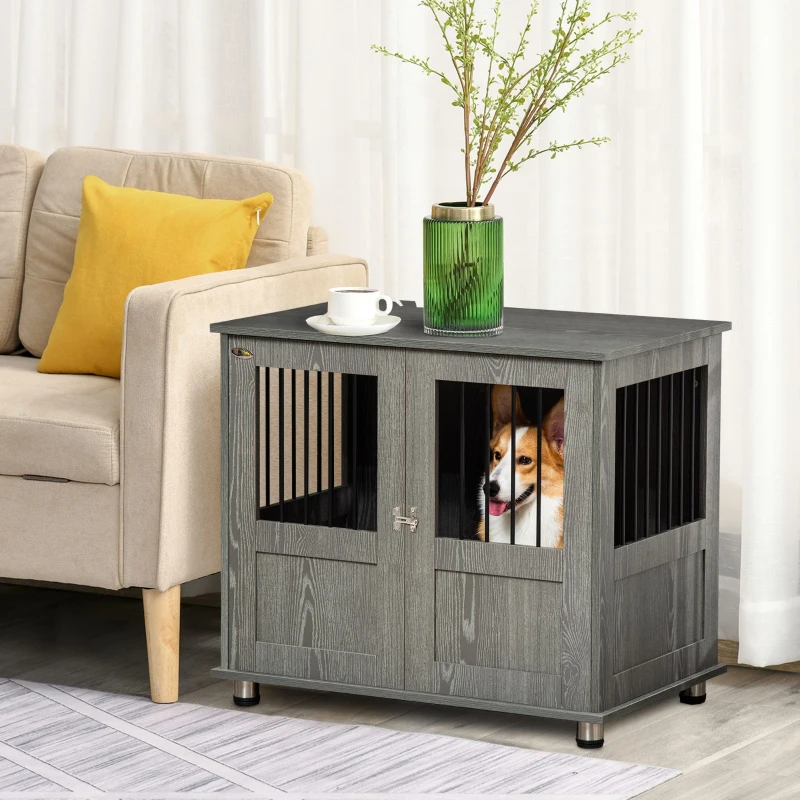
Dogs spend a significant amount of their day sleeping or resting, so having a comfortable place to relax is an important part of creating a welcoming home for them. A suitable dog bed can give your pet a dedicated sleeping area while helping keep them off cold, hard, or uneven floors. With so many styles, sizes, and materials available, choosing the best dog bed can sometimes feel overwhelming.
The ideal dog bed depends on several factors, including your dog's size, sleeping habits, age, and preferred sleeping position. Some dogs enjoy curling up in a soft, enclosed bed, while others prefer plenty of space to stretch out. Considering these needs can help you choose a bed that provides comfort and suits your pet's everyday routine.
Orthopaedic Dog Beds for Supportive Rest
Orthopaedic dog beds are designed with support in mind and can be a useful choice for older dogs or pets that prefer a firmer sleeping surface. Many feature thick foam or supportive filling that helps cushion the body while resting.
A supportive base can also provide a more comfortable surface for dogs that spend long periods lying down. Memory foam options can mould around the body, while high-density foam can provide a firmer foundation.
When selecting an orthopaedic bed, look for adequate cushioning and a sturdy base that will not quickly flatten under your dog's weight. A low-entry design can also make it easier for some dogs to get on and off the bed.
Donut and Bolster Beds for Dogs That Like to Curl Up
Some dogs naturally prefer curling into a ball when they sleep. Donut and bolster beds can be particularly suitable for these pets because their raised edges create a cosy space around the body.
The cushioned sides can provide a comfortable surface for dogs to rest their heads, while the enclosed shape can make the bed feel more secure. These beds are available in different sizes, allowing you to choose an option that gives your dog enough room to turn around without making the sleeping area unnecessarily large.
Soft fabrics can add to the cosy feel, making these beds suitable for dogs that enjoy snuggling into their bedding.
Large Dog Beds for Stretching Out
Larger dogs often need more room to sleep comfortably. A bed that is too small can restrict movement and prevent your pet from adopting its preferred sleeping position.
Large rectangular or mattress-style beds can be useful for dogs that like to stretch out fully. Before buying, measure your dog from nose to tail while they are lying in their usual sleeping position. Adding some extra space can help ensure the bed is large enough for comfortable movement.
For households with more than one dog, a generously sized bed may also provide additional space for pets that enjoy resting together. However, each dog should have access to a comfortable sleeping area.
Elevated Dog Beds for Airflow
Elevated dog beds feature a raised sleeping surface supported by a frame. Unlike traditional beds that sit directly on the floor, these designs allow air to circulate underneath the sleeping area.
This can make elevated beds a practical choice for warm environments or areas where improved airflow is desirable. They can also keep dogs away from damp or cold flooring.
Another benefit is that many elevated beds have relatively simple frames and removable fabric sections, making them convenient for everyday cleaning. However, the bed should be stable and strong enough to safely support your dog.
Washable Dog Beds for Easy Maintenance
Dogs can bring dirt, hair, and outdoor debris into the home, making easy-to-clean bedding especially useful. Washable dog beds can help maintain a fresher sleeping environment.
Look for designs with removable, machine-washable covers whenever possible. Waterproof or water-resistant inner liners can provide an additional layer of protection against accidental spills or moisture.
The filling is also worth considering. A bed that can be separated into washable components may be easier to maintain than one large piece that cannot be cleaned properly. Regularly washing the cover and removing loose hair can help keep the bed comfortable and hygienic.
Choosing the Right Dog Bed Size
Size is one of the most important considerations when choosing a dog bed. Your pet should have enough room to lie down naturally without their head, legs, or body hanging over the edges.
Measure your dog while they are relaxed and lying down. If your dog frequently changes sleeping positions, choose a bed with additional space so they can stretch and turn comfortably.
The shape of the bed also matters. Rectangular beds are often suitable for dogs that like to stretch, while round or oval beds can work well for dogs that prefer curling up. Bolster beds can offer a combination of sleeping space and raised edges for dogs that like head support.
Consider the Bed's Material and Filling
The materials used in a dog bed can influence its comfort, durability, and maintenance requirements. Soft fabrics such as plush or fleece can provide a warm and cosy surface, while canvas and other durable textiles may be better suited to active households.
The filling should provide enough cushioning without becoming excessively soft or losing its shape quickly. Foam, polyester fibre, and other fillings offer different levels of support.
It is also worth considering the temperature of the room where the bed will be placed. A thick, plush bed may be ideal for cooler conditions, while breathable materials can be preferable in warmer spaces.
Creating a Comfortable Sleeping Area
Even the best dog bed will not be as useful if it is placed in an unsuitable location. Choose a quiet area where your dog can rest without constant foot traffic or loud disturbances. At the same time, many dogs prefer to remain close to their family, so a location near frequently used living spaces can be a good compromise.
Keep the bed away from direct draughts and excessively hot areas. Providing a consistent sleeping spot can also help your dog become familiar with the bed and establish a regular resting routine.
A dedicated dog bed can also help separate sleeping and play areas, giving your pet a comfortable space to relax when they need some quiet time.
Conclusion
The best dog bed for comfortable sleeping is one that matches your pet's individual needs. Supportive orthopaedic beds can provide cushioning, bolster and donut beds can create a cosy sleeping space, while large mattress-style beds give dogs plenty of room to stretch. Elevated designs can improve airflow, and washable beds can make everyday maintenance easier.
When choosing a dog bed, consider your pet's size, sleeping position, age, preferred materials, and the environment where the bed will be placed. A well-chosen bed can become a comfortable retreat where your dog can relax and enjoy better-quality rest.
FAQs
1. Where is the best place to put a dog bed?
A quiet, comfortable area away from heavy foot traffic is generally a good location. Many dogs also prefer a spot where they can still see or hear their family.
2. How often should a dog bed be replaced?
There is no fixed replacement schedule. Replace the bed when the cushioning becomes permanently flattened, the cover is significantly damaged, or the structure no longer provides adequate support.
- Digital Agency
- Literie
- Location de voitures
- Restaurant
- Restaurant
- Mode
- Mode
- Information
- Marketing
- Tourisme
- Développement
- Découverte
- Législation
- Gastronomie
- Pâtisserie
- Мероприятие
- Art
- Causes
- Crafts
- Dance
- Drinks
- Film
- Fitness
- Food
- Игры
- Gardening
- Health
- Главная
- Literature
- Music
- Networking
- Другое
- Party
- Religion
- Shopping
- Sports
- Theater
- Wellness
 Russian
 Indian
 English
 French
 Arabic
 Spanish
 Portuguese
 Deutsch
 Turkish
 Dutch
Dutch
 Italiano
 Romaian
 Portuguese (Brazil)
 Greek
Greek
