


How Connected Water Sensors Can Reduce Pump-Related Problems in Apartments
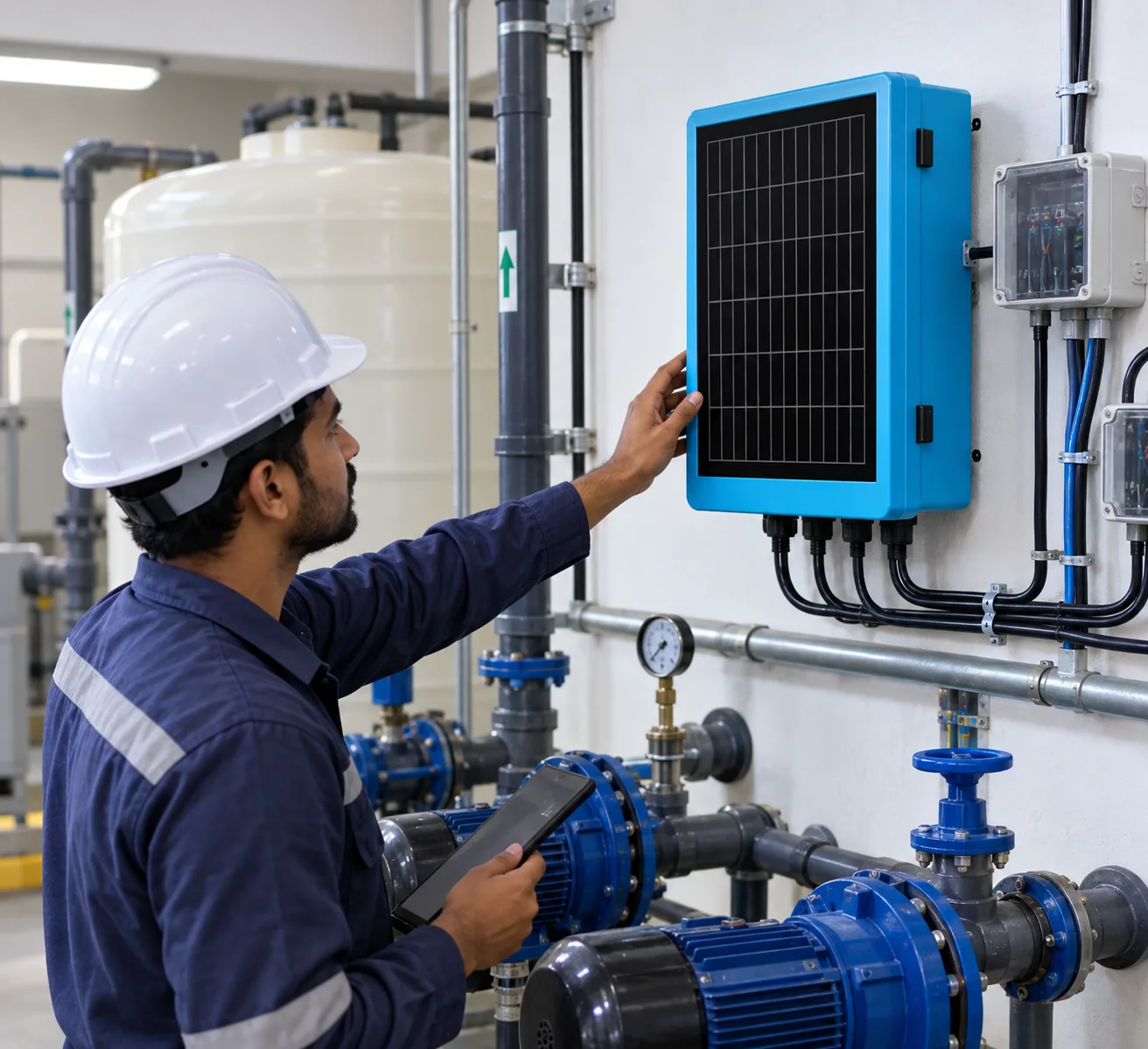
Pump-related problems are common in apartment buildings where water supply depends on underground sumps, overhead tanks, and shared pumping systems. Pumps may run dry, operate for too long, or fail to start at the right time. These issues can lead to water wastage, equipment damage, higher electricity bills, and interruptions in residents’ water supply.
Connected water sensors provide a smarter way to monitor and manage these systems. By combining real-time data, automation, and remote access, modern apartment water management solutions help prevent pump-related failures and improve overall water efficiency.
Common Pump-Related Problems in Apartment Buildings
Apartment water systems often experience challenges such as:
-
Pumps running when tanks are empty
-
Overhead tank overflow
-
Delayed pump operation
-
Frequent manual switching errors
-
Unexpected pump failures
-
Inadequate water level monitoring
-
Excessive electricity consumption
These problems are often caused by limited visibility into tank conditions. Maintenance staff may not always know the exact water level or pump status, especially when managing multiple apartment blocks.
The Role of Connected Water Sensors
Connected water sensors continuously collect information from storage tanks and pumping systems. These sensors can measure water levels, detect changes in consumption, and communicate data to a centralized monitoring platform.
Through IoT Sensor Integration, water level sensors, pump controllers, and cloud-based applications work together to create a connected water management ecosystem.
Instead of relying entirely on manual inspections, apartment managers can receive real-time information and alerts about the condition of their water infrastructure.
Preventing Dry Running of Pumps
Dry running occurs when a pump operates without sufficient water in the source tank or sump. This can cause overheating, mechanical damage, and premature equipment failure.
Connected water level sensors continuously monitor sump levels and can prevent pumps from operating when water is unavailable.
The system can automatically stop the pump or alert maintenance staff when the water level falls below a safe operating limit.
This reduces the risk of pump damage and helps extend equipment lifespan.
Reducing Overhead Tank Overflow
Overflow is one of the most common causes of water wastage in apartment buildings. When pumps continue running after a tank is full, valuable water is discharged unnecessarily.
Connected sensors provide accurate, real-time tank level information. When the tank reaches its maximum capacity, the system can automatically stop the pump.
This improves apartment water management by reducing dependence on manual supervision and preventing avoidable water losses.
Identifying Pump Performance Issues Early
A pump that runs longer than usual or fails to fill a tank efficiently may indicate a mechanical or electrical problem.
By analyzing pump activity alongside water level data, connected monitoring systems can identify unusual operating patterns.
For example, if a pump runs continuously but the water level does not increase as expected, the system may indicate:
-
Pump malfunction
-
Blocked pipelines
-
Valve problems
-
Water leakage
-
Electrical issues
Early identification allows maintenance teams to investigate problems before they become major failures.
Enabling Remote Monitoring and Control
Apartment complexes may have multiple buildings, tanks, and pumping stations spread across a large property. Physically inspecting every location can be time-consuming.
With MyTank Monitoring, facility managers can access water levels, pump status, and alerts through a centralized digital platform.
Remote monitoring enables teams to:
-
Check pump operation from anywhere
-
Receive alerts about abnormal conditions
-
Monitor multiple tanks simultaneously
-
Reduce unnecessary site visits
-
Respond quickly to water supply issues
This improves operational efficiency and provides better visibility into the entire water infrastructure.
Improving Pump Scheduling
Pumps do not always need to operate at fixed times. Water demand can vary depending on occupancy, consumption patterns, and storage capacity.
Connected sensors provide real-time information that helps determine when pumping is necessary.
By combining sensor data with automation rules, the system can optimize pump schedules and reduce unnecessary operation.
This can lower electricity consumption while ensuring adequate water availability for residents.
Detecting Leakage and Unusual Water Consumption
Unexpected drops in tank levels may indicate leakage or abnormal water usage. Without continuous monitoring, these issues can remain unnoticed for long periods.
IoT-enabled systems can compare current water levels with historical usage patterns. Significant deviations can trigger alerts for further inspection.
Through effective IoT Sensor Integration, apartment managers can connect water level sensors and flow monitoring devices to identify potential water losses more quickly.
Benefits of Connected Water Sensors for Apartments
Implementing connected sensors and smart pump control can provide several advantages:
Reduced Water Wastage
Automated monitoring helps prevent overflow and identifies abnormal water loss.
Lower Electricity Costs
Pumps operate only when required, reducing unnecessary energy consumption.
Extended Pump Lifespan
Protection against dry running and excessive operation reduces equipment stress.
Faster Maintenance Response
Real-time alerts help maintenance teams identify and address problems quickly.
Improved Resident Water Supply
Reliable pump operation ensures more consistent water availability.
Centralized Management
Multiple tanks and pumping systems can be monitored from a single platform.
Key Features to Look for in a Connected Water Monitoring System
Apartment associations should consider systems that offer:
-
Accurate water level sensors
-
Real-time monitoring
-
Automatic pump control
-
Dry-run protection
-
Overflow prevention
-
Remote alerts
-
Cloud-based dashboards
-
Multi-tank support
-
Historical usage reports
-
Easy integration with existing infrastructure
A flexible system should also support future expansion as apartment communities add new buildings or storage facilities.
Conclusion
Connected water sensors are helping apartment communities move from manual pump management to intelligent and automated water infrastructure. By continuously monitoring water levels and pump activity, these systems can prevent dry running, reduce overflow, identify equipment problems, and improve energy efficiency.
With solutions such as MyTank Monitoring and effective IoT Sensor Integration, apartment managers can gain better control over their water systems and reduce the operational challenges associated with traditional pumping methods.
As the demand for sustainable and reliable water infrastructure grows, connected monitoring technology will play an increasingly important role in modern apartment water management.
- Digital Agency
- Literie
- Location de voitures
- Restaurant
- Restaurant
- Mode
- Mode
- Information
- Marketing
- Tourisme
- Développement
- Découverte
- Législation
- Gastronomie
- Pâtisserie
- Veranstaltung
- Art
- Causes
- Crafts
- Dance
- Drinks
- Film
- Fitness
- Food
- Spiele
- Gardening
- Health
- Startseite
- Literature
- Music
- Networking
- Andere
- Party
- Religion
- Shopping
- Sports
- Theater
- Wellness
 Deutsch
 Indian
 English
 French
 Arabic
 Spanish
 Portuguese
 Turkish
 Dutch
Dutch
 Italiano
 Russian
 Romaian
 Portuguese (Brazil)
 Greek
Greek
