


Can HR Technology & Automation Simplify HR Workflows
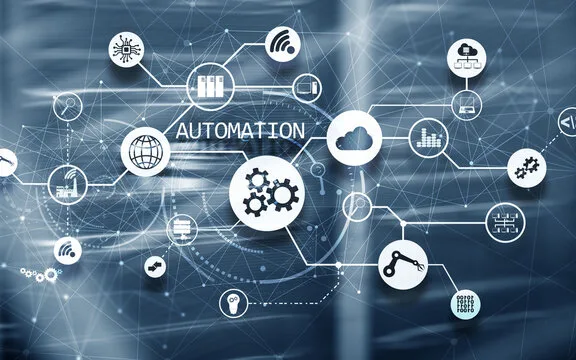
Human resources teams manage many processes at the same time. Recruitment, onboarding, leave requests, employee records, performance reviews, training, reporting, and internal communication can all require multiple steps and approvals. When these activities are handled manually, even routine tasks can become time-consuming and difficult to track.
HR Technology & Automation can help simplify these workflows by organising information, reducing repetitive tasks, creating structured processes, and improving visibility across HR activities. Instead of relying heavily on emails, spreadsheets, paper forms, and manual reminders, organisations can use digital systems to make appropriate HR processes more connected and manageable.
What Are HR Workflows?
An HR workflow is a sequence of tasks that needs to be completed as part of an HR process. Different workflows may involve employees, managers, HR professionals, finance teams, or other departments.
Examples include:
-
Employee onboarding
-
Leave approval
-
Recruitment
-
Performance reviews
-
Training requests
-
Employee information updates
-
Offboarding
-
HR reporting
A well-designed workflow makes it clear what needs to happen, who is responsible, and when each step should be completed.
Can HR Technology & Automation Simplify HR Workflows?
Yes, HR Technology & Automation can simplify many HR workflows by reducing manual administration and creating more consistent processes. However, automation is most effective when the underlying workflow is already well designed.
Technology can help with routine steps, but HR professionals should continue to provide human judgement where decisions involve employee circumstances, sensitive issues, fairness, or organisational context.
Why Do Simpler HR Workflows Matter?
Complicated workflows can create delays and frustration for both HR teams and employees. A simple request may require several emails, repeated data entry, or approval from multiple people.
Simplifying suitable workflows can help organisations:
-
Reduce unnecessary administrative work
-
Improve task visibility
-
Reduce repeated data entry
-
Make responsibilities clearer
-
Improve response times
-
Create more consistent processes
The objective is not to automate every HR activity. It is to make appropriate processes easier to complete and manage.
1. Automates Repetitive HR Tasks
HR professionals often spend time completing repetitive activities such as sending reminders, updating records, processing forms, and notifying employees.
HR Technology & Automation can handle appropriate routine tasks according to predefined rules. This can reduce administrative effort and allow HR professionals to focus on work requiring communication and judgement.
2. Creates Clear Approval Processes
Many HR activities require approval from managers or other authorised people. Without a structured workflow, requests can become lost in emails or remain unanswered.
Digital workflows can route requests to the appropriate person and provide visibility into pending actions. This can make approval processes easier to monitor.
3. Simplifies Employee Onboarding
Onboarding can involve numerous activities, including collecting documents, completing forms, introducing policies, arranging training, and setting up access to relevant systems.
An automated onboarding workflow can organise these activities into a structured process. HR teams can see which tasks have been completed and which still require attention.
4. Improves Recruitment Workflows
Recruitment involves several stages from vacancy creation to candidate selection. Managing applications manually can make it difficult to track progress.
Recruitment technology can help organise candidate information, interview stages, communications, and hiring decisions. Automated notifications can also reduce some repetitive administrative tasks.
5. Makes Leave Requests Easier
Employees frequently need to request annual leave or other forms of absence. A manual process may require emails, spreadsheets, and separate approval records.
Digital leave management can allow employees to submit requests through a structured system while managers can review and approve them. Approved information can then be recorded automatically where the system supports this.
6. Reduces Duplicate Data Entry
Entering the same employee information into multiple systems can waste time and increase the risk of errors.
Integrated HR Technology & Automation solutions can allow appropriate information to move between connected processes. This can reduce repeated entry and help maintain greater consistency.
7. Provides Automated Notifications
HR workflows often depend on people remembering when to complete a task. Missed reminders can cause unnecessary delays.
Automated notifications can remind employees, managers, or HR teams about relevant actions such as:
-
Pending approvals
-
Training sessions
-
Performance reviews
-
Required documents
-
Onboarding activities
-
Important HR dates
These reminders can help keep workflows moving.
8. Improves Employee Self-Service
Employees may need to contact HR for routine requests or information. This can create a large volume of repetitive enquiries.
Employee self-service platforms can allow staff to complete appropriate tasks themselves, such as updating personal information, submitting requests, or accessing relevant documents. This can reduce routine workload for HR teams.
9. Standardises HR Processes
Different departments or managers may handle the same HR process in different ways. This can make processes difficult to monitor and compare.
Technology can provide standardised workflows with predefined steps and responsibilities. Standardisation can improve consistency while still allowing appropriate exceptions where needed.
10. Makes Performance Reviews Easier to Manage
Performance reviews can involve employees, managers, objectives, feedback, and documentation. Tracking these activities manually can become difficult, particularly in larger organisations.
Digital performance systems can provide structured processes for setting objectives, recording feedback, and completing reviews. Automated reminders can also help managers stay aware of upcoming review activities.
11. Simplifies Training Administration
Training often requires identifying participants, scheduling sessions, recording attendance, and monitoring completion.
HR technology can help organise these activities and provide employees with relevant information. Automated reminders can support participation and reduce the need for manual follow-ups.
12. Improves HR Document Management
HR teams manage many documents, including employment records, policies, forms, and training information. Searching for documents across different folders can consume valuable time.
Digital document management can help organise information and make relevant documents easier for authorised users to find. Appropriate access controls are also important when handling employee information.
13. Supports Faster HR Reporting
Creating HR reports manually can require information to be collected from several sources. This can delay access to useful workforce information.
HR Technology & Automation can organise relevant data and support automated reports or dashboards where appropriate. This can help HR teams spend more time analysing information rather than preparing basic reports.
14. Helps Track Workflow Progress
One advantage of digital workflows is greater visibility. HR professionals and authorised managers may be able to see which tasks have been completed and which remain outstanding.
This can make it easier to identify bottlenecks and follow up on delayed activities.
15. Reduces Paper-Based Processes
Paper forms can create additional work because they must be distributed, completed, collected, stored, and sometimes entered into digital systems manually.
Moving appropriate HR processes to digital forms can simplify information collection and make records easier to organise.
16. Improves Communication Between Teams
HR workflows can involve multiple departments. For example, onboarding may require coordination between HR, IT, finance, and department managers.
Digital workflows can help route relevant tasks to the appropriate teams and provide clearer visibility into responsibilities. This can reduce unnecessary back-and-forth communication.
17. Supports Better Employee Record Updates
Employee information changes throughout the employment lifecycle. Job titles, departments, contact information, working arrangements, and other details may need to be updated.
A structured digital process can make it easier for authorised employees or HR staff to submit and record appropriate changes while maintaining clearer records.
18. Helps Reduce Workflow Delays
Delays can occur when tasks depend on manual follow-ups or unclear responsibilities. Automation can trigger notifications and move appropriate workflow steps forward based on predefined conditions.
This can reduce some avoidable delays, although complex HR matters may still require direct communication and human review.
19. Gives HR Teams More Time
Simplifying routine workflows can free HR professionals to focus on activities that require greater expertise and human interaction.
Instead of spending large amounts of time chasing forms or checking routine requests, HR teams can dedicate more attention to employee support, workforce planning, organisational development, and strategic work.
20. Creates a More Consistent Employee Experience
Employees interact with HR processes throughout their time in an organisation. Inconsistent or confusing workflows can create frustration.
Clear digital processes can make routine interactions easier to understand. When employees know how to submit requests and what happens next, their overall experience may become more predictable.
Common HR Technology & Automation Workflow Mistakes
Businesses can create problems when they:
-
Automate a poorly designed process
-
Add unnecessary workflow steps
-
Use disconnected systems
-
Fail to define responsibilities
-
Provide insufficient user training
-
Ignore workflow errors
-
Rely completely on automation for sensitive decisions
-
Fail to review outdated processes
Automation should simplify work rather than add another layer of complexity.
How to Simplify HR Workflows With HR Technology & Automation
Businesses should begin by identifying workflows that consume significant time or frequently create delays. Map the current process and determine which steps are genuinely necessary.
Useful approaches may include:
-
Removing unnecessary approval steps
-
Automating routine notifications
-
Creating standard digital forms
-
Connecting suitable HR systems
-
Providing employee self-service
-
Establishing clear workflow ownership
-
Monitoring outstanding tasks
-
Reviewing processes regularly
The best results usually come from improving the process before automating it.
Why Human Oversight Still Matters
Not every HR task should be automated. Employee complaints, disciplinary matters, complex performance situations, workplace conflicts, and other sensitive issues may require careful communication and professional judgement.
HR Technology & Automation should therefore support HR professionals rather than replace the human element of HR. Technology can manage routine processes while people remain responsible for decisions that require context and empathy.
Final Thoughts
HR Technology & Automation can simplify HR workflows by reducing repetitive tasks, improving approvals, organising information, and making responsibilities easier to track.
Digital workflows can support recruitment, onboarding, leave management, training, performance reviews, reporting, and employee self-service. However, technology is most effective when it is built around clear and well-designed processes.
Businesses should regularly review their workflows and automate only the tasks where automation provides genuine value. Human oversight should remain important for complex and sensitive employee matters.
When implemented thoughtfully, HR Technology & Automation can make HR processes more organised, consistent, and efficient while giving HR teams more time to focus on people and strategic priorities.

- Digital Agency
- Literie
- Location de voitures
- Restaurant
- Restaurant
- Mode
- Mode
- Information
- Marketing
- Tourisme
- Développement
- Découverte
- Législation
- Gastronomie
- Pâtisserie
- Evento
- Art
- Causes
- Crafts
- Dance
- Drinks
- Film
- Fitness
- Food
- Giochi
- Gardening
- Health
- Home
- Literature
- Music
- Networking
- Altre informazioni
- Party
- Religion
- Shopping
- Sports
- Theater
- Wellness
 Italiano
 Indian
 English
 French
 Arabic
 Spanish
 Portuguese
 Deutsch
 Turkish
 Dutch
Dutch
 Russian
 Romaian
 Portuguese (Brazil)
 Greek
Greek
