


Understanding the Stages of Growth After Hair Transplant in Dubai
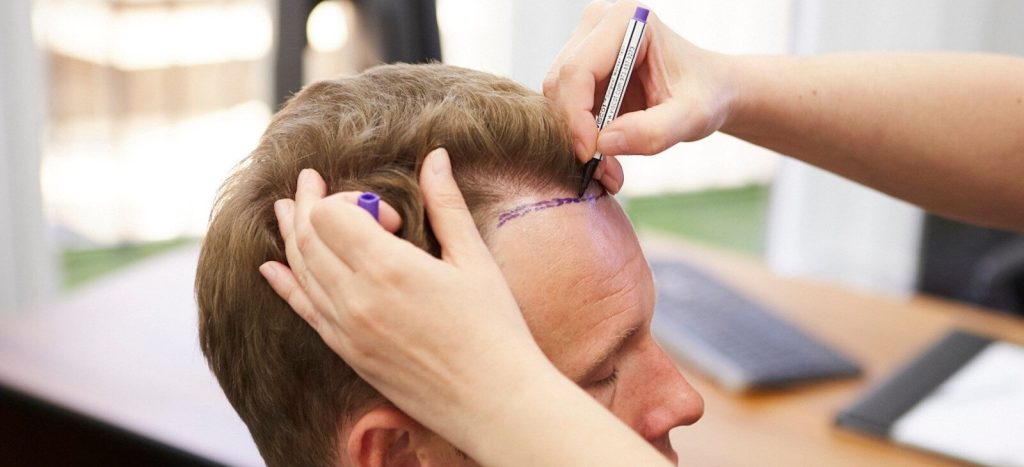
A hair transplant is not an instant transformation. The procedure places healthy hair follicles into areas affected by thinning or hair loss, but those follicles need time to settle, recover, and begin producing new strands. Understanding this gradual process can help patients maintain realistic expectations and follow appropriate aftercare throughout recovery. For anyone considering Hair Transplant in Dubai, knowing what happens during each stage of growth is an important part of preparing for the procedure.
Hair growth after transplantation generally develops through several phases rather than appearing uniformly across the scalp. The early period may involve redness, mild swelling, scabbing, and temporary shedding. These changes can sometimes cause concern, particularly when transplanted hairs begin to fall out. However, temporary shedding can be part of the normal hair-growth cycle following transplantation.
Over the following months, newly transplanted follicles gradually become active. Fine, soft hairs may initially emerge before becoming stronger and more noticeable. Density, texture, and overall appearance can continue improving as the follicles mature.
Individual results vary according to factors such as the patient's existing hair characteristics, donor-area quality, extent of hair loss, follicular characteristics, technique used, and general healing response. A qualified hair-restoration professional can explain the expected timeline based on the individual's circumstances rather than relying solely on general averages.
The Early Healing Stage
Immediately after transplantation, the scalp enters a healing phase. Tiny areas where follicles have been implanted may appear red or slightly swollen. Small crusts or scabs can also develop around the grafts.
During this period, protecting the transplanted area is particularly important. Patients are generally advised to follow their provider's specific washing instructions, avoid unnecessary rubbing or scratching, and carefully follow prescribed medications or aftercare recommendations.
The transplanted follicles are establishing themselves within their new locations, so physical protection and appropriate hygiene can support uncomplicated recovery.
The Temporary Shedding Phase
One of the most misunderstood stages following transplantation is temporary shedding. During the first several weeks, some or most of the visible transplanted hair shafts may fall out.
This does not necessarily mean that the follicles have been lost. The follicle can remain beneath the scalp while the visible hair shaft sheds as part of a temporary transition into a new growth cycle. This phase is sometimes referred to as shock loss or postoperative shedding.
Because hair growth varies between individuals, patients should avoid comparing their progress too closely with photographs showing someone else's timeline. A slower visible change does not automatically indicate an unsuccessful procedure.
The Early New-Growth Stage
After the shedding period, the transplanted follicles can gradually enter an active growth phase. New hairs may begin appearing after several months, although the exact timing differs from person to person.
At first, these hairs may be very fine, light, or unevenly distributed. Some may have a slightly different texture from the patient's existing hair. This is generally part of the maturation process rather than the final appearance.
Patience is particularly important at this stage. The scalp may appear to change slowly, but follicular activity can continue beneath the surface even when visible growth seems limited.
The Progressive Thickening Stage
As the months progress, newly growing hairs generally become longer and more substantial. The difference between the transplanted and surrounding hair may gradually become less noticeable.
Hair density can improve progressively rather than appearing all at once. Some follicles may produce visible growth earlier than others, creating an uneven appearance temporarily. Styling may also become easier as the strands gain length and thickness.
For patients undergoing Hair Transplant in Dubai, this middle stage is often when expectations need to remain realistic. Although noticeable improvement may already be present, the scalp may still be far from its final result.
The Maturation Stage
Later in the recovery process, transplanted hairs can continue increasing in thickness, length, and visual density. The texture may become more similar to the patient's natural hair as follicles mature.
The final appearance depends not only on the transplanted follicles but also on the condition of the existing hair. If native hair continues to thin because of an underlying form of hair loss, the overall appearance can change even when transplanted follicles remain healthy.
This is why long-term hair-loss management may be discussed during consultation when medically appropriate. A restoration plan should consider both the transplanted area and the patient's broader hair-loss pattern.
Why Growth Timelines Differ Between Patients
There is no single schedule that applies to every transplant patient. Differences in genetics, age, hair characteristics, donor supply, follicular quality, surgical technique, healing, and existing hair loss can all influence the pace of visible development.
Some patients may notice early changes relatively quickly, while others require considerably more time before substantial density becomes apparent. The quality of the donor area can also influence how many grafts can be safely harvested and how the final design is approached.
A professional assessment is therefore more useful than assuming that every patient should experience identical growth at identical times.
How to Support Healthy Hair Development
Following post-procedure instructions is one of the most important ways patients can support recovery. Gentle scalp care, appropriate washing, avoiding unnecessary trauma, and attending recommended follow-up appointments can help healthcare professionals monitor progress.
Patients should also communicate with their provider if they experience unexpected symptoms, persistent inflammation, significant pain, unusual discharge, or other concerning changes.
Lifestyle factors may also contribute to general hair health. A balanced diet containing adequate protein and essential nutrients supports normal physiological functions, although nutritional supplements should not be taken routinely without a clinically appropriate reason.
It is equally important to avoid judging the result too early. Hair follicles operate according to biological growth cycles, and rushing the process through unproven products or aggressive scalp treatments may not improve outcomes.
How to Choose the Right Clinic for Hair Transplant in Dubai
Experience and Qualifications
Patients should investigate the qualifications, training, and relevant hair-restoration experience of the medical professional performing the procedure. Experience with different patterns of hair loss can be particularly valuable when developing a natural-looking treatment plan.
Technology and Techniques
Modern transplantation can involve techniques such as FUE and DHI, among other approaches. The most appropriate technique depends on the patient's anatomy, donor supply, hair-loss characteristics, and treatment objectives. Technology should support clinical decision-making rather than serve as a substitute for professional expertise.
Safety Standards
A suitable facility should maintain appropriate hygiene, infection-control procedures, patient monitoring, and medical protocols. Patients should feel comfortable asking how safety is managed before, during, and after the procedure.
Consultation Process
A thorough consultation should assess the pattern and progression of hair loss, donor-area condition, medical history, expectations, and suitability for treatment. A responsible provider should also explain limitations rather than promising a predetermined result.
Patient Experience
Clear communication is important throughout the treatment journey. Patients should understand aftercare requirements, follow-up arrangements, possible temporary changes, and when to seek professional advice.
Expected Results
Patients should receive a realistic explanation of the expected growth timeline and potential limitations. A natural hairline and appropriate density should be considered in relation to available donor follicles and future hair-loss patterns.
Frequently Asked Questions
When does new hair usually start growing after a transplant?
Visible new growth commonly begins after the initial shedding and resting period, but the timing varies between individuals. Early hairs may be fine and gradually become thicker over subsequent months.
Is shedding after a hair transplant normal?
Temporary shedding of transplanted hair shafts can occur during the early recovery period. The follicles may remain intact beneath the scalp and later produce new growth.
When can the final result be evaluated?
Hair growth and maturation take time. A meaningful assessment is generally made several months after treatment, with further refinement possible as the transplanted hairs continue to mature.
Can transplanted hair become as thick as natural hair?
Transplanted follicles can produce permanent hair when appropriate donor follicles are used, but the eventual thickness depends on individual follicular characteristics, genetics, hair calibre, and other factors.
Can existing hair continue to thin after transplantation?
Yes. A transplant redistributes selected follicles but does not necessarily stop the underlying process causing native hair loss. Depending on the diagnosis, a clinician may discuss strategies for maintaining existing hair.
Conclusion
Hair transplantation should be viewed as a biological restoration process rather than an immediate cosmetic change. Healing, temporary shedding, early regrowth, progressive thickening, and eventual maturation each form part of the journey. Understanding these stages can help patients interpret changes more realistically and avoid unnecessary concern during periods when visible growth appears slow. Anyone considering Hair Transplant should focus on appropriate medical assessment, realistic expectations, careful aftercare, and long-term hair management to support the best possible outcome.
- Digital Agency
- Literie
- Location de voitures
- Restaurant
- Restaurant
- Mode
- Mode
- Information
- Marketing
- Tourisme
- Développement
- Découverte
- Législation
- Gastronomie
- Pâtisserie
- Event
- Art
- Causes
- Crafts
- Dance
- Drinks
- Film
- Fitness
- Food
- Games
- Gardening
- Health
- Home
- Literature
- Music
- Networking
- Other
- Party
- Religion
- Shopping
- Sports
- Theater
- Wellness
 English
 Indian
 French
 Arabic
 Spanish
 Portuguese
 Deutsch
 Turkish
 Dutch
Dutch
 Italiano
 Russian
 Romaian
 Portuguese (Brazil)
 Greek
Greek
