


Plantar Fasciitis Treatments & Hammer Toe Treatment – Complete Guide to Foot Pain Relief
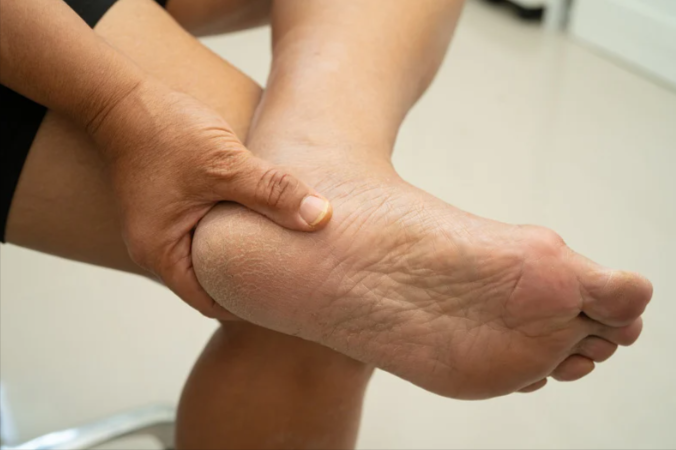
Foot pain can affect your ability to walk, exercise, work, and enjoy everyday activities. Two common conditions that may cause persistent discomfort are plantar fasciitis and hammer toe. Although these conditions affect different parts of the foot, both can become increasingly troublesome when symptoms are left unmanaged.
If you are researching plantar fasciitis treatments or hammer toe treatment, understanding the causes, symptoms, and available treatment options can help you make informed decisions about your foot health.
What Is Plantar Fasciitis?
Plantar fasciitis is a common condition involving pain around the plantar fascia, a strong band of tissue that runs along the underside of the foot and helps support the arch.
Heel pain is often the most noticeable symptom. Some people experience particularly strong pain when taking their first steps after getting out of bed or after sitting for a prolonged period.
Although plantar fasciitis can be painful, many people improve with appropriate conservative management and gradual rehabilitation.
Common Symptoms of Plantar Fasciitis
Symptoms may include:
- Pain underneath or around the heel
- Pain when taking the first steps in the morning
- Discomfort after sitting or resting
- Pain after prolonged standing
- Increased discomfort after exercise
- Tenderness around the heel
- Stiffness in the foot or calf
The severity and duration of symptoms vary from person to person.
What Causes Plantar Fasciitis?
Plantar fasciitis is often associated with repeated loading of the plantar fascia.
Several factors can contribute, including:
- Sudden increases in exercise
- Running or high-impact activities
- Prolonged standing
- Changes in footwear
- Tight calf muscles
- Individual foot mechanics
- Increased physical load on the feet
It is not always possible to identify one specific cause.
Plantar Fasciitis Treatments
There are several plantar fasciitis treatments, and the most appropriate option depends on the individual's symptoms, activity level, and underlying factors.
1. Activity Modification
Temporarily reducing activities that significantly increase heel pain may help the plantar fascia recover.
For example, someone experiencing pain while running may be advised to reduce running temporarily and consider lower-impact activities.
The aim is usually to manage load rather than completely stop movement.
2. Stretching Exercises
Stretching the calf and foot can form part of a rehabilitation programme.
Regular, appropriate stretching may help improve flexibility and reduce stress on the structures around the heel.
Exercises should be selected and progressed according to the individual's condition.
3. Strengthening Exercises
Strengthening the muscles supporting the foot and ankle can also be useful.
A structured exercise programme may gradually improve the ability of the foot to tolerate everyday activities and exercise.
4. Suitable Footwear
Comfortable footwear with appropriate support may help reduce irritation during walking and standing.
Shoes should provide sufficient space and should not increase pressure around painful areas.
5. Pain Management
Depending on your circumstances, a healthcare professional may recommend pain-relieving medication or other strategies.
It is important to consider your medical history and any existing medication before using painkillers.
When Should Plantar Fasciitis Be Assessed?
If heel pain continues despite appropriate self-care, affects normal walking, or repeatedly returns when activity increases, professional assessment may be useful.
Not all heel pain is caused by plantar fasciitis. Other conditions can produce similar symptoms, making an accurate diagnosis important.
What Is a Hammer Toe?
A hammer toe is a deformity involving one of the smaller toes. The toe develops an abnormal bend at one or more of its joints.
The affected toe may appear curled or bent and can rub against footwear.
Hammer toes can be flexible during the early stages but may become more rigid over time.
Symptoms of Hammer Toe
Possible symptoms include:
- A visibly bent or curled toe
- Pain when wearing shoes
- Corns or hard skin
- Redness and irritation
- Swelling
- Difficulty finding comfortable footwear
- Pain when walking
- Reduced movement of the affected toe
Not every hammer toe causes pain. Treatment is generally considered when symptoms interfere with everyday activities.
Hammer Toe Treatment Options
The right hammer toe treatment depends on whether the deformity is flexible or rigid, the severity of symptoms, and the individual's overall foot health.
1. Footwear Modification
Choosing shoes with sufficient room around the toes can reduce pressure.
A wider and deeper toe box can help prevent the affected toe from rubbing against the shoe.
This may be particularly helpful when corns or areas of hard skin have developed.
2. Protective Pads
Pads or cushions can sometimes reduce friction between the toe and footwear.
They may help control irritation, although they do not necessarily correct the underlying deformity.
3. Toe Exercises
For some people with a flexible hammer toe, exercises may help maintain movement and strengthen the muscles around the foot.
The suitability of exercises depends on the individual and the flexibility of the deformity.
4. Orthotics
Orthotic devices may sometimes be recommended to improve pressure distribution across the foot.
An assessment can help determine whether an orthotic device is appropriate.
5. Treating Corns and Hard Skin
Hammer toes can create pressure points that lead to corns and calluses.
Managing the source of pressure is important because simply removing hard skin without addressing the underlying pressure may allow the problem to return.
6. Surgery
If a hammer toe becomes painful, rigid, or significantly interferes with footwear and walking despite conservative measures, surgery may be considered.
The appropriate procedure depends on the type and severity of the deformity.
A foot and ankle specialist can explain the available options, expected recovery, and potential risks.
Why Early Assessment Matters
Persistent foot pain should not simply be accepted as something you have to live with.
An accurate diagnosis helps distinguish plantar fasciitis or hammer toe from other conditions that may require different treatment.
For plantar heel pain, a specialist may assess the foot, ankle, calf, and walking pattern. For hammer toe, assessment can determine whether the toe remains flexible and whether other parts of the foot are contributing to the problem.
Imaging may be recommended where appropriate.
Can These Conditions Be Prevented?
There is no guaranteed way to prevent plantar fasciitis or hammer toe.
However, sensible footwear choices, gradual increases in exercise, maintaining appropriate strength and flexibility, and addressing persistent foot problems early may help reduce unnecessary stress on the feet.
People who participate in running or other high-impact activities should increase training gradually rather than making sudden changes to their workload.
When Should You See a Specialist?
Consider seeking professional advice if:
- Foot pain persists for several weeks
- Pain interferes with walking
- You are unable to exercise normally
- Shoes repeatedly cause discomfort
- A toe is becoming increasingly deformed
- Heel pain continues despite self-care
- Symptoms are getting progressively worse
A specialist can help determine the cause of the problem and discuss appropriate treatment options.
Final Thoughts
Plantar fasciitis and hammer toe are different conditions, but both can have a significant effect on comfort and mobility.
There are several plantar fasciitis treatments, including activity modification, stretching, strengthening, footwear changes, and other approaches depending on the individual. Similarly, hammer toe treatment can range from footwear modifications and protective measures to surgery in selected cases.
The most appropriate treatment depends on the cause and severity of your symptoms. If foot pain is persistent or affecting your everyday life, professional assessment can help you understand your condition and identify suitable treatment options.
FAQs
1. What are the most effective plantar fasciitis treatments?
Treatment may include activity modification, stretching, strengthening exercises, appropriate footwear, and pain management. The right combination depends on the individual.
2. How long does plantar fasciitis take to improve?
Recovery varies considerably. Some people improve within a relatively short period, while others require several months of structured rehabilitation and activity modification.
3. Should I stop exercising if I have plantar fasciitis?
Not necessarily. Activities that significantly increase pain may need to be reduced or modified, while suitable lower-impact activities may still be possible.
4. What is the best hammer toe treatment?
Treatment depends on the flexibility and severity of the deformity. Wider footwear, protective measures, exercises, and orthotics may help. Surgery may be considered for persistent symptomatic deformities.
5. Can hammer toes be corrected without surgery?
Flexible hammer toes may sometimes be managed with footwear changes, exercises, and other conservative measures. These approaches may improve symptoms but do not always permanently correct the deformity.
6. When should I see a specialist for hammer toe?
Consider an assessment if the toe is painful, becoming increasingly bent, developing corns, or making it difficult to wear normal footwear or walk comfortably.
- Digital Agency
- Literie
- Location de voitures
- Restaurant
- Restaurant
- Mode
- Mode
- Information
- Marketing
- Tourisme
- Développement
- Découverte
- Législation
- Gastronomie
- Pâtisserie
- Evenement
- Art
- Causes
- Crafts
- Dance
- Drinks
- Film
- Fitness
- Food
- Spellen
- Gardening
- Health
- Home
- Literature
- Music
- Networking
- Overig
- Party
- Religion
- Shopping
- Sports
- Theater
- Wellness
 Dutch
Dutch
 Indian
 English
 French
 Arabic
 Spanish
 Portuguese
 Deutsch
 Turkish
 Italiano
 Russian
 Romaian
 Portuguese (Brazil)
 Greek
Greek
