


What Every Golf Cart Owner Should Know About Battery Care
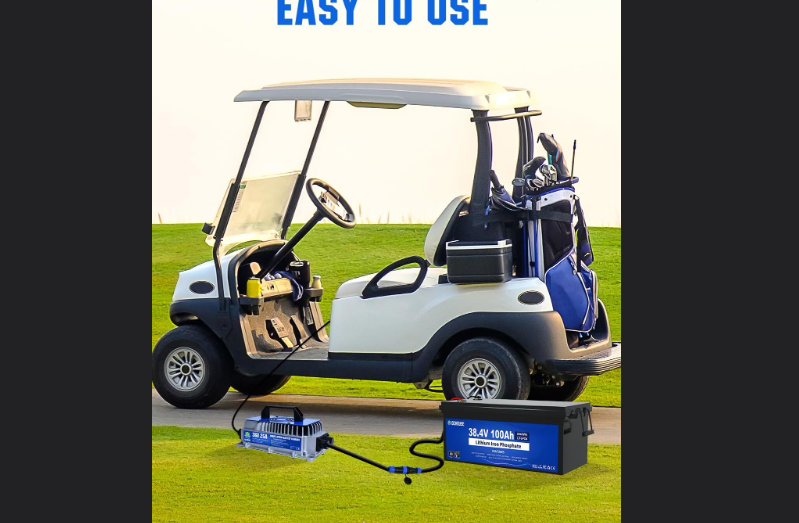
Taking care of your golf cart battery is one of the most important steps toward keeping your vehicle reliable, efficient, and ready to use. Whether you use your cart for neighborhood transportation, recreation, or everyday errands, proper maintenance can help extend battery life and reduce unexpected replacement costs. For owners looking for dependable golf cart batteries The Villages FL, understanding basic battery care is especially valuable in a warm climate where heat can affect battery performance.
Understand Your Golf Cart Battery Type
Before creating a maintenance routine, identify the type of battery installed in your golf cart. Most traditional golf carts use lead-acid batteries, while newer models may use lithium-ion batteries. These two battery types have different maintenance requirements.
Lead-acid batteries require regular attention, including checking water levels and cleaning corrosion. Lithium batteries generally require less routine maintenance, but they still need proper charging, storage, and temperature management.
Knowing your battery type will help you follow the manufacturer's recommendations and avoid maintenance mistakes.
Charge the Battery Correctly
Charging habits have a major impact on battery performance. Golf cart batteries should be charged according to the manufacturer's instructions and with a compatible charger. Avoid using a charger that is not designed for your battery system because improper charging can damage the battery or charging components.
For lead-acid batteries, allow the charging cycle to finish before disconnecting the charger whenever possible. Consistently interrupting charging cycles can affect battery performance over time.
It is also important not to leave a battery completely discharged for long periods. Deep discharge can place unnecessary stress on the battery and may shorten its useful life.
Check Water Levels in Lead-Acid Batteries
If your golf cart uses flooded lead-acid batteries, checking the water level is an essential maintenance task. These batteries contain electrolyte, and water can evaporate during normal use and charging.
Use distilled water when topping off the battery. Avoid tap water because minerals and impurities can interfere with battery performance.
Water should generally be added after charging unless the manufacturer's instructions say otherwise. Do not overfill the cells because the electrolyte can expand during charging and spill over.
Always wear appropriate protective equipment when working around lead-acid batteries. Battery acid can cause serious skin and eye irritation.
Keep Battery Connections Clean
Corrosion around battery terminals can interfere with electrical flow and reduce performance. Regularly inspect the terminals, cables, and connections for signs of corrosion, looseness, or damage.
If corrosion is present, clean the affected areas using a method recommended by the battery or golf cart manufacturer. Make sure the connections are secure after cleaning.
Never work carelessly around battery terminals. Metal tools can create sparks if they accidentally bridge electrical connections.
Pay Attention to Temperature
Heat can be particularly hard on batteries. High temperatures may accelerate chemical reactions inside batteries and contribute to faster deterioration. Golf cart owners in warm regions should therefore pay close attention to where and how their carts are stored.
Whenever possible, keep the golf cart in a shaded, cool, and well-ventilated location. Avoid leaving the vehicle exposed to extreme heat for extended periods.
Proper ventilation is also important while charging certain types of batteries. Follow the manufacturer's safety recommendations and avoid charging batteries in poorly ventilated areas.
Avoid Overloading Your Golf Cart
Battery life is affected not only by charging but also by how the golf cart is used. Carrying excessive weight, driving aggressively, or operating the cart on steep terrain can require more energy from the battery.
Follow the manufacturer's recommended weight limits. Smooth acceleration and moderate driving can help reduce unnecessary energy consumption.
If your cart suddenly struggles to climb hills or loses power much faster than usual, the battery system may need inspection.
Store the Golf Cart Properly
If you will not use your golf cart for several weeks or months, prepare the battery system for storage. Leaving batteries unattended for extended periods can lead to discharge and other problems.
Fully charge the batteries according to the manufacturer's instructions before storage. Check the battery condition periodically and follow the recommended storage procedure for your specific battery type.
Lithium batteries may have different storage requirements than lead-acid batteries, so always consult the manufacturer's guidelines rather than assuming both types can be stored the same way.
Watch for Warning Signs
Recognizing battery problems early can prevent more serious issues. Common warning signs include reduced driving range, slow acceleration, difficulty climbing hills, unusual odors, swollen battery components, leaking electrolyte, and frequent charging requirements.
If you notice physical damage, leakage, excessive heat, or other unusual symptoms, stop using the battery and seek professional assistance. Continuing to operate a damaged battery can create safety risks.
Replace Batteries as a Complete System When Appropriate
Golf carts often use multiple batteries connected together as one system. When one battery begins to fail, replacing only that battery may not always provide the best long-term solution.
Older batteries may have significantly different capacities from a new battery, which can affect overall performance. A qualified technician can test the battery system and determine whether individual replacement or a complete battery replacement is appropriate.
Choosing the correct replacement battery is also important. Voltage, capacity, dimensions, terminal configuration, and compatibility should all match the golf cart's requirements.
Create a Simple Maintenance Schedule
Consistent maintenance is easier when it becomes part of your regular routine. Check the battery system periodically, inspect connections, monitor performance, and charge the cart correctly.
For lead-acid batteries, include water-level checks and corrosion inspections in your maintenance schedule. For lithium batteries, focus on proper charging, storage, temperature, and system condition.
Keeping simple records of battery performance and maintenance can also help you recognize gradual changes before they become major problems.
Final Thoughts
Battery care does not have to be complicated. Using the correct charger, maintaining proper water levels when required, keeping connections clean, avoiding excessive loads, and protecting the battery from extreme conditions can make a significant difference. Regular inspections can also help identify problems early and keep your golf cart operating reliably.
A well-maintained battery system can provide dependable performance and help you get more value from your golf cart. By following the manufacturer's recommendations and responding quickly to warning signs, you can support longer battery life, better efficiency, and safer operation.
- Digital Agency
- Literie
- Location de voitures
- Restaurant
- Restaurant
- Mode
- Mode
- Information
- Marketing
- Tourisme
- Développement
- Découverte
- Législation
- Gastronomie
- Pâtisserie
- Evento
- Art
- Causes
- Crafts
- Dance
- Drinks
- Film
- Fitness
- Food
- Juegos
- Gardening
- Health
- Inicio
- Literature
- Music
- Networking
- Otro
- Party
- Religion
- Shopping
- Sports
- Theater
- Wellness
 Spanish
 Indian
 English
 French
 Arabic
 Portuguese
 Deutsch
 Turkish
 Dutch
Dutch
 Italiano
 Russian
 Romaian
 Portuguese (Brazil)
 Greek
Greek
