


Automatic Water Pump Control: Smarter and More Efficient Water Management

Introduction
Managing water pumps manually can be inconvenient and can lead to water overflow, unnecessary electricity consumption, and pump wear. An automatic water pump control system provides a smarter way to manage water supply by monitoring tank conditions and controlling pump operation efficiently.
What Is Automatic Water Pump Control?
An automatic water pump control system uses sensors, controllers, and monitoring technology to determine when a water pump should start or stop.
Instead of depending completely on manual operation, the system can respond to changing water levels and predefined conditions.
Why Automatic Pump Control Is Important
In many homes and buildings, pumps are switched on manually when the overhead tank becomes empty or nearly empty. Users must then remember to switch the pump off after the tank is filled.
If the pump is forgotten, water may overflow for a long period. Automatic control helps reduce this risk by making pump operation more systematic.
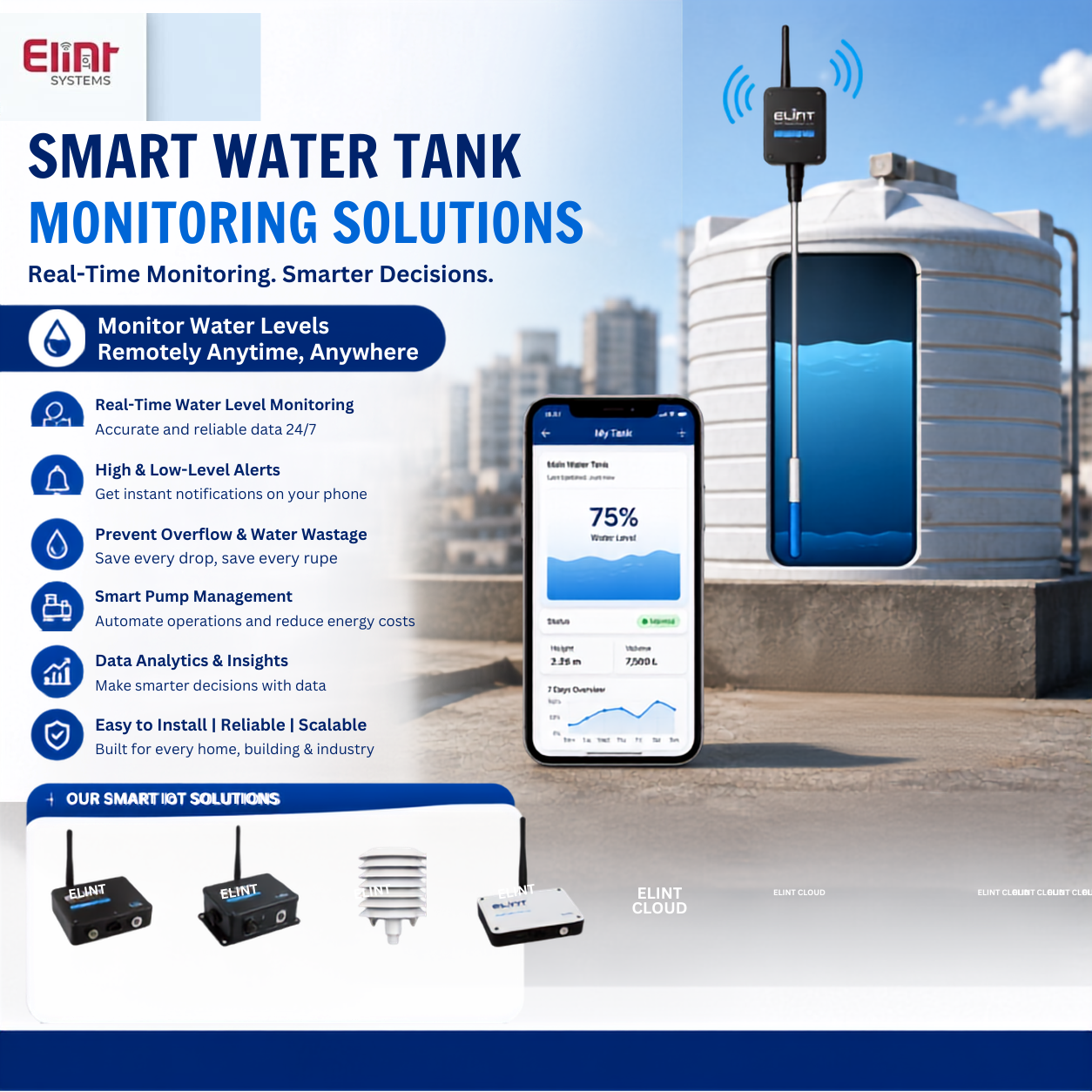
Key Benefits of Automatic Water Pump Control
1. Helps Prevent Tank Overflow
When the water reaches a predefined high level, an automatic control system can stop the pump, helping prevent unnecessary overflow and water wastage.
2. Reduces Manual Work
Users do not need to repeatedly check the tank and operate the pump manually. Automation makes everyday water management more convenient.
3. Supports Energy Efficiency
Stopping the pump when sufficient water is available can help avoid unnecessary pump operation and electricity consumption.
4. Protects Pump Operation
Proper control can reduce unnecessary running time and help avoid certain operating conditions that may negatively affect pump performance.
5. Convenient for Multiple Buildings
Automatic pump control is particularly useful in apartments, offices, hotels, schools, factories, and other properties where water systems require regular monitoring.
How Does the System Work?
A typical automatic water pump control solution monitors the water level using a suitable sensor. When the water level falls below a predefined threshold, the system can initiate the filling process.
As the tank reaches its required level, the system can stop the pump according to the configured control logic.
More advanced systems can combine automatic control with remote monitoring and alerts, giving users greater visibility into their water system.
Automatic Pump Control and Smart Water Monitoring
Automatic pump control becomes even more useful when combined with a smart water tank monitoring system.
Users can monitor tank levels, receive alerts, and understand pump activity without relying entirely on physical inspections. This creates a more connected approach to water management.
Applications
Automatic water pump control can be used in:
-
Residential homes
-
Apartment buildings
-
Commercial properties
-
Hotels and resorts
-
Schools and institutions
-
Hospitals
-
Factories
-
Agricultural facilities
-
Industrial buildings
Building a Smarter Water System
Water management is moving toward automation, connectivity, and better resource efficiency. Automatic pump control is an important part of this transition because it reduces dependence on manual operation while helping users manage water more effectively.
When combined with sensors, remote monitoring, and intelligent alerts, automatic pump control can become part of a complete smart water management solution.
Conclusion
Automatic water pump control provides a convenient and efficient approach to managing water tanks. By responding to water-level conditions, it can help reduce overflow, minimize unnecessary pump operation, and make daily water management easier.
For modern homes and organizations, automated water pump management is a practical step toward smarter, more reliable, and more efficient water systems.
- Digital Agency
- Literie
- Location de voitures
- Restaurant
- Restaurant
- Mode
- Mode
- Information
- Marketing
- Tourisme
- Développement
- Découverte
- Législation
- Gastronomie
- Pâtisserie
- Evento
- Art
- Causes
- Crafts
- Dance
- Drinks
- Film
- Fitness
- Food
- Giochi
- Gardening
- Health
- Home
- Literature
- Music
- Networking
- Altre informazioni
- Party
- Religion
- Shopping
- Sports
- Theater
- Wellness
 Italiano
 Indian
 English
 French
 Arabic
 Spanish
 Portuguese
 Deutsch
 Turkish
 Dutch
Dutch
 Russian
 Romaian
 Portuguese (Brazil)
 Greek
Greek
