


Kingston University Courses for Career Development
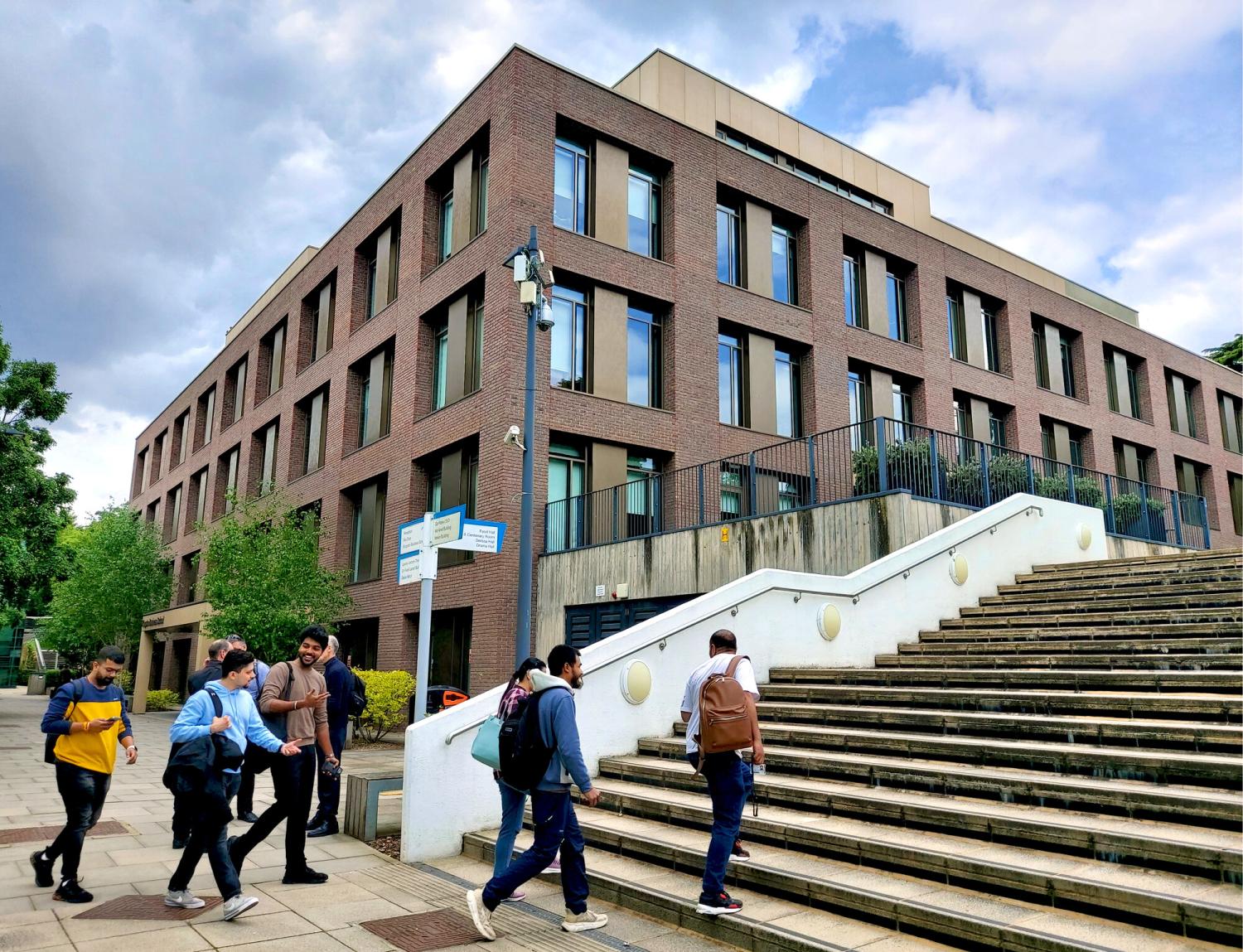
Choosing a university course is one of the biggest decisions students make about their future. A degree is not simply a qualification to add to a CV; it can shape the knowledge, practical abilities, professional network, and confidence students carry into the workplace. For this reason, career development should be an important consideration when comparing university courses.
Kingston University offers a broad range of programmes across different academic and professional areas, giving students opportunities to explore subjects that can connect with their career ambitions. From business and computing to engineering, healthcare, design, law, and the creative industries, students can find different academic pathways depending on their interests and goals.
Why Career Development Matters When Choosing a Course
A strong university course should help students develop more than subject knowledge. Employers can value transferable abilities such as communication, teamwork, critical thinking, organisation, problem-solving, and adaptability.
When considering Kingston University, students should therefore look at how their chosen programme supports these skills. Course modules, practical projects, assessments, placements, professional experiences, and career-related activities can all contribute to career development.
The most suitable course is not necessarily the one with the most impressive title. It is the programme that gives students relevant knowledge and opportunities to apply it.
Business and Management Courses
Business-related degrees can provide a foundation for students interested in management, marketing, finance, entrepreneurship, human resources, and other professional areas.
At Kingston University, business students can develop knowledge of how organisations operate while strengthening skills such as decision-making, communication, analysis, and teamwork. Projects and presentations can also encourage students to apply theoretical concepts to practical business situations.
These skills can be useful across different industries, giving graduates flexibility when exploring career options.
Computing and Technology Courses
Technology continues to influence almost every sector, creating demand for people with relevant digital and analytical skills. Computing-related courses can therefore be attractive to students who want careers in software, data, cybersecurity, information systems, or other technology-focused areas.
Studying at Kingston University can give students the opportunity to build technical knowledge while developing problem-solving and logical-thinking abilities. Students should examine the specific modules offered by their chosen course to understand which technical and professional skills they will develop.
Engineering Courses
Engineering combines scientific knowledge with practical problem-solving. Students can develop the ability to analyse challenges, design solutions, work with technical information, and consider real-world requirements.
Engineering courses at Kingston University can appeal to students who enjoy mathematics, science, technology, and practical applications. Projects and technical assignments can help students connect academic concepts with professional situations.
Students interested in engineering should review the specific specialism, facilities, practical learning opportunities, and career pathways associated with their preferred programme.
Healthcare and Health-Related Courses
Healthcare education requires a combination of academic understanding, practical skills, communication, responsibility, and professional awareness.
Kingston University offers programmes in health-related areas that can support students interested in professional healthcare and related careers. Depending on the course, students may encounter practical learning, placements, research, or other forms of professional preparation.
Because healthcare programmes can have specific professional requirements, prospective students should carefully check the latest entry criteria and course information before applying.
Law Courses
Law students need strong analytical, research, communication, and argumentation skills. A law degree can develop the ability to examine complex information, understand legal principles, construct reasoned arguments, and communicate ideas clearly.
At Kingston University, students interested in law can explore legal concepts while developing transferable skills that may also be relevant to careers beyond traditional legal practice.
Students should research the specific career routes associated with their chosen programme and understand that completing a law degree does not automatically qualify someone for every legal profession.
Design and Creative Courses
Creative industries require both artistic ability and professional skills. Students interested in graphic design, fashion, illustration, media, or related areas often need opportunities to experiment, develop concepts, receive feedback, and build evidence of their abilities.
Creative courses at Kingston University can support students in developing their creative thinking while learning how to present and communicate ideas professionally.
Portfolio development can be particularly important for creative students because employers and clients may want to see practical examples of previous work.

Architecture and Built Environment
Students interested in architecture and the built environment can benefit from courses that combine design thinking, technical knowledge, research, and practical application.
Kingston University provides study options connected with areas of design and the built environment. Students can develop skills in areas such as project work, visual communication, technical understanding, and problem-solving depending on their programme.
Prospective students should check professional accreditation and progression requirements where these apply to their intended career.
Social Sciences and Humanities
Not every career requires a highly technical degree. Subjects within social sciences and humanities can help students develop valuable abilities such as research, communication, critical analysis, writing, and understanding human behaviour.
Courses at Kingston University can provide students with opportunities to examine social issues, develop arguments, evaluate evidence, and communicate ideas. These transferable skills can be relevant across education, public services, communications, research, business, and other sectors.
Practical Learning and Projects
One of the most useful ways to develop career-ready skills is to apply knowledge through practical work. Projects can require students to solve problems, collaborate with others, manage deadlines, and present their findings.
At Kingston University, students should look closely at how their chosen programme incorporates practical learning. The exact experience can vary considerably between courses.
Practical projects can also provide examples that students may later discuss during interviews or include in professional portfolios.
Placement and Work Experience Opportunities
Work experience can help students understand what professional life is actually like. Depending on the programme, students may have opportunities to undertake placements, internships, or other forms of work-related learning.
These experiences can help students develop workplace communication, professional behaviour, time management, and industry awareness.
Students considering Kingston University should check whether their chosen course includes a placement option, how placements are organised, and whether there are specific eligibility requirements.
Career Support and Employability
University career services can help students move from academic study toward employment. Support may include CV development, interview preparation, career guidance, employer events, job-search advice, or skills workshops.
Students should make use of career support early rather than waiting until their final year. Building a CV, exploring industries, gaining experience, and identifying skill gaps can be an ongoing process.
At Kingston University, students can combine their academic studies with career-focused development to prepare for different professional possibilities.
Developing Transferable Skills
Regardless of the subject, university can help students strengthen skills that are useful in many workplaces. These may include:
-
Communication
-
Teamwork
-
Critical thinking
-
Problem-solving
-
Time management
-
Research
-
Presentation
-
Adaptability
-
Leadership
-
Organisation
These abilities can make graduates more prepared to respond to changing workplace expectations.
Choosing the Right Kingston University Course
Students should avoid choosing a course based only on career claims or general reputation. Instead, examine the details of the specific programme.
Consider the modules, teaching methods, assessments, practical opportunities, placement options, facilities, professional accreditation where relevant, entry requirements, tuition fees, and potential career pathways.
It is also important to ask whether the course matches your interests. Career development is easier when students are genuinely engaged with what they are learning.
How Students Can Maximise Career Development
Simply completing a degree is only one part of career preparation. Students can take additional steps by joining relevant societies, attending employer events, seeking work experience, completing projects, developing digital skills, and building professional connections.
At Kingston University, students can also reflect on their progress regularly. Identifying strengths and weaknesses can help them decide which skills to improve before graduation.
Creating a professional CV and portfolio throughout university can also make it easier to demonstrate achievements when applying for opportunities.
Final Thoughts
Kingston University offers a wide selection of courses that can support different academic interests and career ambitions. Its programmes cover areas ranging from business and computing to engineering, healthcare, law, design, and social sciences.
Career development depends on more than the name of a university or degree. Students should examine the specific course structure, practical opportunities, placements, professional experiences, and career support available to them.
Taking an active approach can make a major difference. Gaining experience, developing transferable skills, building professional connections, and seeking feedback can help students become better prepared for life after graduation.
Ultimately, the best Kingston University course is one that combines your interests with your long-term goals. By researching your options carefully and making full use of career-development opportunities, you can turn your university experience into a stronger foundation for your professional future.

- Digital Agency
- Literie
- Location de voitures
- Restaurant
- Restaurant
- Mode
- Mode
- Information
- Marketing
- Tourisme
- Développement
- Découverte
- Législation
- Gastronomie
- Pâtisserie
- Etkinlik
- Art
- Causes
- Crafts
- Dance
- Drinks
- Film
- Fitness
- Food
- Oyunlar
- Gardening
- Health
- Ana sayfa
- Literature
- Music
- Networking
- diğer
- Party
- Religion
- Shopping
- Sports
- Theater
- Wellness
 Turkish
 Indian
 English
 French
 Arabic
 Spanish
 Portuguese
 Deutsch
 Dutch
Dutch
 Italiano
 Russian
 Romaian
 Portuguese (Brazil)
 Greek
Greek
